How to Make Traditional Arabic Coffee with Spices
When you’re trying to recreate the warm, aromatic experience of Arabic coffee—whether at home or hosting guests—you quickly realize it’s not just about brewing. It’s about balance: the right roast level, precise spice amounts, and whether you pour it through a filter or boil it in a brass pot. But where do you begin?
Classic Arabic coffee, or Cafe Arabe, is made with 75cc of slightly dark-roasted coffee, 10g of sugar, and a pinch each of ground cinnamon and cardamom. It can be prepared either by pouring hot brewed coffee over the ingredients or the traditional way—boiling them together in a brass or copper cezve.
What Is Arabic Coffee?
Arabic coffee, known as Cafe Arabe in the Arab world, is a traditional preparation that emphasizes spices and modest roast levels. Unlike espresso-based drinks or filtered coffee from other regions, Arabic coffee is typically lightly to moderately brewed, often served unfiltered, and flavored distinctively with cardamom and sometimes cinnamon.
The key characteristics include a relatively low roast profile—described here as “slightly deep”—which allows the spices to shine. The coffee is usually prepared in small servings, often in demitasse-style cups, and shared among guests as part of hospitality rituals.
The Traditional Ingredients and Their Ratios
The standard recipe for one serving of Arabic coffee includes:
- 75cc (about 2.5 fluid ounces) of slightly dark-roasted coffee
- 10g of sugar (roughly two teaspoons)
- A pinch of ground cinnamon
- A pinch of ground cardamom (typically lesser cardamom, or Amomum subulatum)
These measurements create a sweet, spiced cup where no single element overpowers the others. The coffee acts as a base, while sugar and spices add complexity without turning the drink into a dessert-style brew.
Two Ways to Brew Arabic Coffee
Modern Pour-Over Method
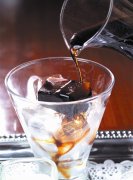
In a more contemporary approach, the coffee is brewed using a pour-over or drip method. You place the sugar, cinnamon, and cardamom directly into the serving cup, then pour the hot brewed coffee over the top. This highlights the clarity of the spices and sugar’s integration with the brewed coffee’s flavor.
This technique is referred to in the original text as “a modern taste” and likely produces a cleaner, more controlled cup where each ingredient remains distinct yet harmonious.
Traditional Boiled Method
The authentic method involves a brass or copper cezve (specialized pot). In this version, coffee grounds are combined directly with ground cardamom, broken pieces of cinnamon (or cinnamon powder), and sugar, then brewed by boiling the mixture with water. This creates a richer, more intense infusion where the spices and sugars fully meld during the boil.
The traditional method tends to produce a thicker, more robust cup with suspended coffee particles and a stronger spice aroma. It requires careful attention to prevent over-extraction or burning.
Flavor Profile and Serving Notes
The resulting coffee is sweet but not cloying, spiced but balanced. Cardamom provides a floral, citrusy, and slightly minty note, while cinnamon adds warmth. The use of a slightly dark roast offers a gentle bitterness that complements the other flavors without overwhelming them.
Traditionally, Arabic coffee is served in small quantities, often without milk, and presented as a gesture of hospitality. It may be poured from a height to create foam, though the original recipe doesn’t specify this step.
Frequently Asked Questions
What roast level is used for Arabic coffee?
The article specifies a “slightly deep” roasted coffee, which generally corresponds to a medium-dark roast. This roast level is light enough to let cardamom and cinnamon flavors shine but dark enough to provide some body and slight bitterness.
How much sugar is added to Arabic coffee?
The standard recipe calls for 10g of sugar per serving, which is approximately two teaspoons. This amount is considered standard for achieving the traditional balance of sweetness in Arabic coffee.
What spices are used in Arabic coffee?
The essential spices are ground cardamom (usually lesser cardamom or Amomum subulatum) and a pinch of ground cinnamon. These two spices are the most commonly referenced and are integral to the flavor profile.
Can Arabic coffee be made with a pour-over method?
Yes. The article mentions a “modern taste” method where the coffee is brewed using a pour-over or drip technique, with sugar, cardamom, and cinnamon placed in the cup before pouring the hot coffee over them.
Is boiling required to make Arabic coffee?
Not necessarily. While the traditional method involves boiling the coffee with spices in a brass or copper pot, a modern alternative is to brew the coffee separately and pour it over the spices and sugar in the cup.
What type of coffee bean is best for Arabic coffee?
The article does not specify a bean origin, but traditionally Arabic coffee uses Arabica beans with a medium-dark roast. Beans with good clarity and moderate acidity are ideal to complement the spices.
Recommended FrontStreet Beans for Arabic-Style Coffee
For making Arabic coffee at home, try FrontStreet’s washed Yirgacheffe from the Gedeb cooperative—its bright citrus and floral notes pair beautifully with cardamom. The Jamaica Blue Mountain No.1 (Typica) offers a smooth, balanced profile with chocolate and almond tones that work well with cinnamon. Alternatively, the Strawberry Candy Geisha blend delivers complex floral and stone fruit layers that harmonize with traditional Arabic spices. Freshly roasted within 5 days · Orders placed before 17:00 ship the same day · Next-day delivery across most of Guangdong Province.
FrontStreet Coffee is a long-established specialty coffee roaster in Guangzhou China, selling freshly roasted beans from its own farm in Yunnan as well as dozens of carefully selected single-origin beans from around the world for both pour-over and espresso. The products deliver consistently excellent quality and great value, with shipping within 24 hours. Guangzhou's FrontStreet Coffee shop is recommended by many coffee lovers, and the beans are now available online at the Tmall 。
Important Notice :
前街咖啡 FrontStreet Coffee has moved to new addredd:
FrontStreet Coffee Address: 315,Donghua East Road,GuangZhou
Tel:020 38364473