How People Drink Coffee Around the World: Regional Traditions
Ever wondered why coffee looks, tastes, and feels so different depending on where you are? While billions drink coffee daily, each country has its own approach—from how it’s brewed to how it’s served. From Turkish cups layered with grounds to Italian espresso shots sipped standing up, here’s how coffee really happens around the world.
In short: there’s no single way to drink coffee. Each of the eight countries covered here—Arab nations, France, the Netherlands, Italy, Russia, South India, Sudan, Turkey, and the United States—has a distinct method involving specific brew styles, serving vessels, ratios, and customs. That’s at least eight different approaches, and likely many more worldwide.
Arabic Coffee: Small Cups, Big Flavor
In Arabic-speaking countries, coffee is enjoyed in small servings, typically sweetened. The coffee is often unfiltered and spiced, creating a strong, sweet brew sipped slowly from small cups. Though the preparation can vary regionally, the common thread is a potent, often cardamom-infused drink meant for relaxed, social enjoyment.
French Coffee Culture: Breakfast Bowls & Chicory Notes
The French frequently drink coffee from a bowl at breakfast, often blending roasted beans with chicory root for added aroma. Their preferred style is lighter in body and roast level compared to Italians. French coffee is typically made using medium-roast, coarsely ground beans prepared via immersion—resulting in a mellow cup that pairs well with buttered pastries.
Dutch Coffee: Strong, Sweet & Creamy
Dutch coffee drinkers favor a bold, concentrated brew. The traditional method involves combining coffee and sugar in a pot, then serving it alongside a pitcher of cream and a glass of water. This allows drinkers to adjust richness and dilution to taste. The result is a dark, intense cup balanced with dairy and hydration.
Italian Espresso: Fast & Intense
Italian coffee culture revolves around speed and strength. Espresso is meant to be made in under ten seconds and consumed just as quickly—usually in two or three sips from a tiny cup. Italians often start their day with a fresh shot and may continue drinking espresso throughout the day. The coffee is very short, thick, and served without milk in specialized espresso cups.
Russian Coffee: Black with a Citrus Twist
Although Russia is better known for tea, when coffee is consumed it’s typically black, sweetened, and served with a slice of lemon. This creates a robust, full-bodied drink where the citrus adds a surprising brightness to the dark roast flavor. It’s a distinctive approach reflecting local taste preferences shaped by both climate and tradition.
South Indian Filter Coffee: Milk, Sugar & Spice Relief
In southern India, coffee is beloved for its role in cooling the palate after spicy meals. The local style features generous amounts of milk and sugar, often brewed using a traditional metal filter. This produces a rich, sweet milky coffee that contrasts and soothes heat from spicy food—a cultural pairing central to daily life.
Sudanese Coffee: Spiced & Steeped
In Sudan, black coffee is customarily brewed with whole cloves and other spices. The spices are steeped along with finely ground coffee in a traditional pot, resulting in a pungent, aromatic brew. The spices infuse the coffee as it simmers, delivering layers of warmth and complexity beyond typical caffeine drinks.
Turkish Coffee: Unfiltered & Fortune-Telling
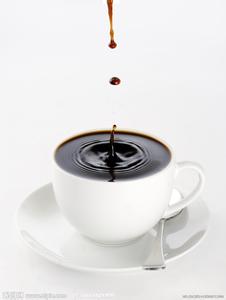
Turkish coffee is made by boiling finely ground coffee beans with water and sugar in a special pot called an ibrik. Unlike filtered coffee, the grounds remain in the cup, settled at the bottom. It’s essential to let the coffee sit before drinking to avoid swallowing the fine sediment. Additionally, many Turks read fortunes in the coffee grounds left adhering to the inside of the cup—an age-old ritual tied closely to the coffee experience.
American Coffee: Light Roast with Cream
In the United States, a common coffee preference includes lightly roasted beans with a splash of cream. The lighter roast yields a milder flavor profile, and the addition of cream softens the acidity. While not as ritually defined as other countries’ methods, this easy-drinking style reflects a broad cultural preference for accessibility and mildness in daily coffee consumption.
Frequently Asked Questions
What is the most common way to drink coffee around the world?
There is no single most common method—each country has its own tradition. However, espresso-based drinks are widely consumed globally, especially in Europe, while filtered coffee with milk is popular in parts of Asia and the Americas. The article highlights eight distinct methods, showing how varied global coffee habits truly are.
Do all countries drink espresso?
No. While espresso is central to Italian and some European coffee cultures, many countries—including the U.S., Sudan, and parts of India—prefer filtered, drip, or spice-infused coffee. Espresso is just one of many global brewing styles, and not universal.
Why do Turks read coffee grounds?
Turks read coffee grounds from the bottom of the cup after drinking Turkish coffee, which is unfiltered and leaves fine coffee sediment. This practice, known as tasseography, is a traditional form of fortune-telling and is deeply embedded in the coffee ritual.
What’s special about French coffee with chicory?
French breakfast coffee is often blended with chicory root, which adds a distinct earthy aroma and slightly bitter flavor. It is typically brewed using medium-roast, coarse-ground beans through immersion, resulting in a lighter and more aromatic cup compared to espresso.
How is Indian filter coffee different?
South Indian filter coffee is brewed using a traditional metal filter that produces a strong, rich brew mixed with a lot of milk and sugar. It’s specifically designed to balance spicy food and is a key part of the local diet and hospitality customs.
Why do Italians drink espresso so fast?
Italians drink espresso quickly—often in two or three sips—because it’s meant to be consumed immediately after brewing, while the crema is still fresh and the flavors are most intense. The entire process, from brewing to drinking, usually takes less than ten seconds.
Recommended FrontStreet Beans for Global Brewing Styles
For exploring global coffee methods, try FrontStreet Coffee’s Ethiopia Yirgacheffe for bright floral notes, great for light roasts like the American style; their Brazil Queen Manor offers a balanced medium roast ideal for French-style immersion or milk-based cups; and their PWN Golden Mandheling delivers a heavy body perfect for mimicking Turkish or South Indian-style richness. Freshly roasted within 5 days · Orders placed before 17:00 ship the same day · Next-day delivery across most of Guangdong Province.
FrontStreet Coffee is a long-established specialty coffee roaster in Guangzhou China, selling freshly roasted beans from its own farm in Yunnan as well as dozens of carefully selected single-origin beans from around the world for both pour-over and espresso. The products deliver consistently excellent quality and great value, with shipping within 24 hours. Guangzhou's FrontStreet Coffee shop is recommended by many coffee lovers, and the beans are now available online at the Tmall 。
Important Notice :
前街咖啡 FrontStreet Coffee has moved to new addredd:
FrontStreet Coffee Address: 315,Donghua East Road,GuangZhou
Tel:020 38364473