How Medium Roast Brings Out the Best in Coffee Beans
Ever wonder why your cup of coffee tastes flat, overly bitter, or just plain dull? Whether you’re brewing at home or sipping at a café, the secret often lies in how the beans were roasted. Roasting isn’t just about darkening beans—it’s the chemical transformation that shapes every note you taste.
The key to a balanced, flavorful cup? A medium roast, where acidity, sweetness, and bitterness reach their peak harmony. This sweet spot typically occurs between 12 to 16 minutes at around 232°C (450°F), when the coffee bean sheds 15–25% of its moisture and develops complex flavors without masking its origin character.
What Happens During Coffee Roasting?
Roasting transforms raw, green coffee beans through a series of rapid chemical reactions. Starting at room temperature, beans enter a roaster and climb to temperatures as high as 232°C (450°F) over roughly 12–16 minutes. During this time, they lose 15–25% of their weight in moisture, expand in volume, and undergo multiple chemical changes—including three audible ‘cracks’ similar to popcorn popping.
Early in the roast, moisture evaporates and the beans shift from pale green to yellow, then to light brown. Aromas reminiscent of roasted vegetables emerge. These early stages lay the foundation for the bean’s final flavor profile.
Stages of Roast: From Light to Dark
Coffee roasts are generally categorized into four main levels, each bringing out different characteristics:
Raw Green Beans
Before roasting, each coffee cherry holds two green beans rich in chlorogenic acids. These compounds diminish during roasting, making way for brighter fruit acids like acetic, citric, and malic acids—think apple, lemon, and wine-like tang. Light roasting preserves these acids best, but over-roasting can erase them entirely.
At around 5–7 minutes, beans lose moisture and turn from pale green to yellow-orange, releasing a scent akin to buttery roasted vegetables.
Light Roast (Cinnamon or Half-City)
Triggered by the first crack, light roast beans turn a cinnamon-brown color. Acidity dominates the cup, but both flavor and body remain underdeveloped. Commonly used in commercial canned coffee, light roasts usually don’t satisfy specialty coffee drinkers seeking depth.
Medium Roast (City or Breakfast Roast)
At around 10–11 minutes, beans reach a balanced brown color. This stage, also called City or Breakfast roast, is favored for single origins like Colombian, Brazilian, and Blue Mountain coffees. It highlights the bean’s inherent qualities while adding mild caramelization. In FrontStreet Coffee’s lineup, the Brazil Queen Manor, Strawberry Candy Espresso, and 2013 Sun-Dried Typica all shine at this roast level.
Continuing into the 12–16 minute range leads to Full City roast, where oils begin surfacing and beans turn deep brown. This is often considered the point where acidity, sweetness, and bitterness achieve optimal balance, and the bean’s unique character becomes vividly defined.
Dark Roast (Italian or Espresso Roast)
As beans roast longer, they darken further and oils rise to the surface. The roast, sometimes called Italian or Espresso roast, brings out bold sweetness and a syrupy body, masking origin traits but delivering rich, bold shots ideal for espresso. The smoky, caramelized notes appeal especially to those who prefer a strong, intense cup.
Why Medium Roast Often Delivers the Best Cup
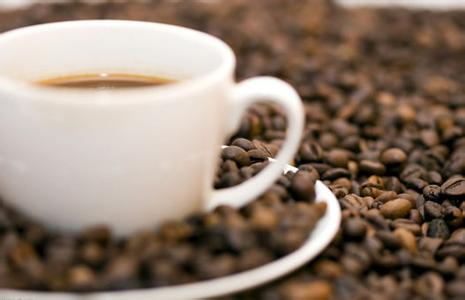
A medium roast preserves enough acidity to add brightness, develops enough sweetness to carry the cup, and introduces gentle bitterness to add structure—without overpowering the coffee’s intrinsic qualities. This balance is why many specialty roasters, including FrontStreet Coffee, recommend medium roast for single-origin beans and everyday drinking.
For those sensitive to caffeine, darker roasts may be preferable: prolonged roasting reduces caffeine content slightly. An espresso made from a dark roast can contain roughly half the caffeine of a typical medium-roast single origin.
Frequently Asked Questions
What temperature is ideal for medium roast coffee?
Ideal medium roast temperatures typically reach around 232°C (450°F), with the roast lasting between 12 to 16 minutes depending on batch size and roaster type.
How much moisture does coffee lose during roasting?
Coffee beans lose approximately 15–25% of their moisture content during the roasting process, which contributes to physical expansion and flavor development.
What defines a medium roast?
A medium roast is characterized by a balanced brown color, developed sweetness, moderate acidity, and light oil development—usually occurring just after the first crack and before heavy oil surfacing.
Which roast level highlights origin flavors best?
Light to medium roasts best preserve and highlight the unique origin characteristics of coffee beans, including fruit, floral, and herbal notes.
Does darker roast have less caffeine?
Yes, darker roasts tend to have slightly less caffeine due to continued heat breaking down some of the compound, though the difference per bean is small. A shot of dark roast espresso may have about half the caffeine of a typical medium-roast cup.
Why does coffee crack during roasting?
Coffee beans crack due to internal pressure from steam and expanding gases during roasting. The first crack signals light roast readiness; the second, deeper crack indicates the approach of dark roast territory.
Recommended FrontStreet Beans for Medium Roast
For the perfect medium roast experience, try FrontStreet Coffee’s Brazil Queen Manor, offering creamy peanut, chocolate, and toasted bread notes with sweet undertones. The Strawberry Candy Espresso combines citrus, stone fruit, and smooth sweetness from Costa Rica and Panama beans, ideal for multiple brew methods. Also consider the 2013 Sun-Dried Typica, showcasing balanced notes of almond, brown sugar, black tea, and apricot—perfect for pour-over or drip. All are medium roasted to highlight their unique profiles. Freshly roasted within 5 days · Orders placed before 17:00 ship the same day · Next-day delivery across most of Guangdong Province.
FrontStreet Coffee is a long-established specialty coffee roaster in Guangzhou China, selling freshly roasted beans from its own farm in Yunnan as well as dozens of carefully selected single-origin beans from around the world for both pour-over and espresso. The products deliver consistently excellent quality and great value, with shipping within 24 hours. Guangzhou's FrontStreet Coffee shop is recommended by many coffee lovers, and the beans are now available online at the Tmall 。
Important Notice :
前街咖啡 FrontStreet Coffee has moved to new addredd:
FrontStreet Coffee Address: 315,Donghua East Road,GuangZhou
Tel:020 38364473