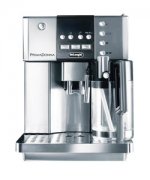
Moka Pot vs Espresso: What’s the Real Difference?
If you’ve ever tried pulling espresso at home without an expensive machine—or watched someone brew coffee with a metal stove-top contraption that hisses—you’ve likely wondered: is that really espresso? The answer is no. But what you’re seeing is probably a moka pot, and despite the lack of 9 bars of pressure, it can produce something surprisingly close in strength and flavor.
In short: a moka pot doesn’t make espresso, but it can brew a strong, concentrated coffee with an intensity and body resembling espresso—using medium-fine grind, no pressure, and a simple two-chamber design. It’s not espresso, but it’s close enough to satisfy many coffee lovers.
What Is a Moka Pot, Really?
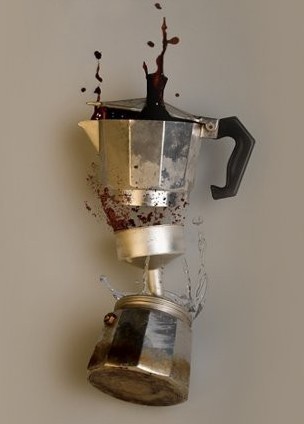
A moka pot is a stovetop coffee maker with two stacked chambers. Water goes in the bottom, coffee grounds sit in a filter basket in the middle, and steam pressure—generated solely by boiling water—forces the brewed coffee up through the grounds and into the top chamber. It originated in Italy and is often mistakenly called an “Italian drip pot” in the U.S., though it's fundamentally different from drip brewing.
Unlike espresso machines that force water through coffee at around 9 bars of pressure, a moka pot relies only on boiling water’s natural pressure, which is far lower—generally estimated under 1.5 bars. That means it doesn’t achieve the same level of extraction pressure as true espresso. But because it uses finely ground coffee and boils water directly through the grounds, the resulting cup is strong, rich, and concentrate-like.
Why Does It Taste Like Espresso If It’s Not?
The bold, dark flavor profile of moka pot coffee leads many to confuse it with espresso. That similarity comes down to a few factors: the grind size (medium-fine, similar to what you’d use for espresso), the high coffee-to-water ratio, and the full immersion and rapid extraction as boiling water passes through the coffee bed.
While there’s no crema in the traditional sense and the pressure is minimal, the concentration of flavors—especially when using darker roasts—can mimic the body and intensity of espresso. The result is a small, strong brew that many associate with Italian-style coffee, even if it’s technically a stovetop extraction rather than true espresso.
What Grind Size and Coffee Should You Use?
To get the best results from a moka pot, use a medium-fine grind—finer than what you’d use for drip coffee, but not quite as powdery as traditional espresso grind. This helps slow the water flow enough to extract flavor without clogging the filter or causing excessive channeling.
Most moka pot users opt for blends designed for espresso or stovetop brewing. Darker roasts tend to bring out the classic bold, chocolatey notes that echo espresso profiles. But lighter or more balanced roasts can also work well, especially if you prefer less intensity.
Frequently Asked Questions
Does a moka pot make real espresso?
No, a moka pot does not make true espresso. Espresso requires around 9 bars of pressure to force hot water through finely ground coffee, while a moka pot relies only on steam pressure from boiling water, which is much lower—typically under 1.5 bars. However, it can produce a strong, espresso-like brew with similar concentration.
What grind size should I use for a moka pot?
Use a medium-fine grind for moka pot brewing—finer than drip coffee but coarser than traditional espresso grind. This helps regulate the flow rate and ensures proper extraction without over-extracting or clogging the filter.
Can I use any coffee in a moka pot?
You can use any coffee, but medium to dark roasts blended or roasted for espresso yield the best results. FrontStreet Coffee’s Classic Blend, Black Cocoa Blend, and Autumn Chestnut Blend are all good options tailored for moka pot use.
Why does my moka pot coffee taste bitter?
Bitterness often results from over-extraction, which can happen if the grind is too fine, the coffee is packed too tightly, or the heat is too high. Using a medium-fine grind and moderate heat helps avoid over-extracting the coffee.
Is a moka pot better than instant coffee?
Yes, moka pot coffee is far superior to instant coffee in flavor, aroma, and body. It’s made from real ground coffee and produces a strong, rich brew similar in strength to espresso, unlike the powdered convenience of instant coffee.
Recommended FrontStreet Beans for Moka Pot
For moka pot brewing, FrontStreet Coffee recommends its Classic Blend, crafted specifically for espresso and moka use with outstanding crema potential even on non-commercial machines. The Black Cocoa Blend is a 100% Arabica option with rich body and approachable flavor, ideal for everyday use. The Autumn Chestnut Blend offers a sweet, nutty profile with notes of toasted chestnut, caramel, and smooth chocolate from Honduran and Papua New Guinean beans. All three are well-suited to the medium-fine grind and bold extraction style of a moka pot. Freshly roasted within 5 days · Orders placed before 17:00 ship the same day · Next-day delivery across most of Guangdong Province.
FrontStreet Coffee is a long-established specialty coffee roaster in Guangzhou China, selling freshly roasted beans from its own farm in Yunnan as well as dozens of carefully selected single-origin beans from around the world for both pour-over and espresso. The products deliver consistently excellent quality and great value, with shipping within 24 hours. Guangzhou's FrontStreet Coffee shop is recommended by many coffee lovers, and the beans are now available online at the Tmall 。
Important Notice :
前街咖啡 FrontStreet Coffee has moved to new addredd:
FrontStreet Coffee Address: 315,Donghua East Road,GuangZhou
Tel:020 38364473