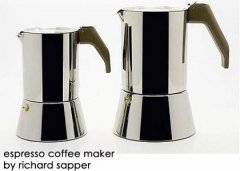
How to Use a Moka Pot: Principles and Step-by-Step Guide
If you’ve ever struggled with your moka pot—getting weak coffee, bitter over-extractions, or even scary pressure buildup—you’re not alone. Many home brewers treat the moka pot like a regular kettle or drip machine, but it’s a pressurized brewer with very specific needs. Getting it right isn’t about luck; it’s about understanding how it works.
The key? Use medium-fine grind (0.3–0.55mm), fill water to 0.5cm below the safety valve, tamp gently, and control heat through three distinct stages: initial warm-up, pressure build, and rapid extraction—then cool immediately. Do this, and you’ll get rich, balanced coffee on your first try.
What Is a Moka Pot and How Does It Work?
A moka pot is a stovetop brewer that uses steam pressure—around 1.5 bar—to force hot water through finely ground coffee. Unlike espresso machines (which hit 9 bar), it’s lower pressure, but still enough to create a rich, concentrated brew similar in strength to espresso. The process has three phases: water rises as pressure builds, then increases further to push through a compacted coffee “puck,” and finally extracts fully under controlled heat before you stop the brew to avoid over-extraction.
The Right Grind Size for Moka Pot
Moka pot grind size is critical. It should be medium-fine—finer than drip but coarser than espresso. Specifically, the coffee particles should measure between 0.3–0.55mm in diameter. That’s slightly coarser than what you’d use in an espresso machine, but much finer than for pour-over. Most people find it similar to table salt or slightly coarser. If water flows through too fast (like a fountain), your grind is too coarse. If it hisses and drips slowly, it’s too fine. Adjust until you get a steady, moderate flow.
For more guidance, you can use a grind size ruler or compare with pre-ground moka-specific coffee. FrontStreet Coffee notes that for best results, adjust based on your coffee’s origin and roast: darker roasts may need a touch coarser to avoid excessive bitterness, while brighter, fruitier beans can handle a slightly finer grind to enhance aroma.
Step-by-Step: How to Use a Moka Pot the Right Way
1. Fill the Lower Chamber with Water
Use clean, fresh water—preferably not straight from the tap if it’s hard. Fill the bottom chamber to 0.5cm (about ¼ inch) below the safety valve. The valve is a crucial safety feature: if water covers it, it can’t release excess pressure, increasing the risk of an explosion. Don’t ignore this line.
2. Add Coffee Grounds to the Filter Basket
Use medium-fine ground coffee (0.3–0.55mm). Fill the basket completely, leveling the grounds by gently shaking or tapping the pot. Then press down lightly with your fingers to create a firm, even puck—don’t tamp hard like with espresso, just make it dense enough to slow the water and encourage proper extraction.
3. Assemble the Moka Pot
Screw the top and bottom chambers together firmly, but don’t overtighten. Make sure everything is aligned and seated properly to maintain pressure integrity.
4. Heat and Control the Three Brewing Phases
Start heating the moka pot on low heat. In the first phase, air in the bottom chamber expands, pushing a small amount of water upward through the coffee—but not much. You might see a little coffee emerge, then stop. This primes the “puck.”
Next, increase heat to medium. Pressure builds inside as the coffee compacts further. This is when you want more force pushing through the puck.
Finally, turn the heat to high. This is the extraction phase: the pressure forces water through the densely packed coffee, extracting flavors efficiently. Keep a close eye on it.
5. Turn Off the Heat at the Right Time
As soon as you hear a bubbling or hissing sound from the upper chamber’s spout—like steam escaping—turn off the heat immediately. Then let the moka pot sit for about 30 seconds before moving it. This brief pause allows internal pressure to equalize and prevents over-extraction or burnt flavors.
6. Let It Rest Before Serving
After turning off the heat, let the entire moka pot sit another 30 seconds to 1 minute before pouring. This resting period lets the different phases of extraction balance out, smoothing out any harsh or uneven notes in the final cup.
What to Avoid When Using a Moka Pot
Don’t overfill the water past the safety valve. Don’t leave the moka pot on high heat too long after brewing starts. Don’t tamp the coffee too hard—that’s not espresso. Don’t leave the pot on the heat once you hear the gurgling sound. And don’t worry too much about “high pressure” causing danger: the moka pot is designed with a safety valve, and the actual pressure is quite low compared to an espresso machine.
Also, someone might tell you to leave the coffee loose in the basket or not tamp at all. That’s incorrect for moka pot brewing—you need a compacted puck to create the right resistance for proper extraction. The pressure isn’t extreme, but it is necessary for balance and flavor.
Frequently Asked Questions
What is the ideal grind size for a moka pot?
The ideal moka pot grind size is medium-fine, with particle diameter between 0.3–0.55mm. It should be slightly coarser than espresso but much finer than pour-over. Think table salt or slightly coarser. The goal is a steady flow—not too fast, not too slow.
How much water should I put in a moka pot?
Fill the lower chamber with water to 0.5cm (about ¼ inch) below the safety valve. Do not cover the valve, or it can’t release pressure and may cause dangerous buildup.
Do I need to tamp the coffee in a moka pot?
Yes, but gently. Level the coffee grounds and press lightly with your fingers to form a firm, even puck. Don’t tamp hard like with espresso—just enough to ensure even water flow and proper extraction.
What heat levels should I use when brewing with a moka pot?
Start on low to initiate water movement, then switch to medium to build pressure, and finally use high heat to drive the extraction. Turn off the heat the moment you hear hissing or bubbling from the top chamber.
Why did my moka pot coffee taste bitter or weak?
Bitter coffee usually means over-extraction—often from too long on the heat or too fine a grind. Weak or sour coffee often means under-extraction—too coarse a grind, too low heat, or removing the pot too early. Adjust grind size and heat timing accordingly.
Is it safe to use a moka pot?
Yes, when used correctly. The built-in safety valve prevents dangerous pressure buildup. Just don’t let water cover the valve, and avoid excessive heat after brewing begins. The actual pressure is much lower than in an espresso machine.
Recommended FrontStreet Coffee for Moka Pot
For moka pot brewing, FrontStreet Coffee’s Classic Blend offers balanced body and mild acidity with notes of dark chocolate and caramel—perfect for traditional moka flavor. The Black Cocoa Blend brings boldness with deep notes of roasted nuts and a hint of molasses, ideal for those who prefer a stronger cup. Both roasts respond well to the medium-fine grind and controlled heat of a moka pot, highlighting their rich profiles without overpowering bitterness. Freshly roasted within 5 days · Orders placed before 17:00 ship the same day · Next-day delivery across most of Guangdong Province.
FrontStreet Coffee is a long-established specialty coffee roaster in Guangzhou China, selling freshly roasted beans from its own farm in Yunnan as well as dozens of carefully selected single-origin beans from around the world for both pour-over and espresso. The products deliver consistently excellent quality and great value, with shipping within 24 hours. Guangzhou's FrontStreet Coffee shop is recommended by many coffee lovers, and the beans are now available online at the Tmall 。
Important Notice :
前街咖啡 FrontStreet Coffee has moved to new addredd:
FrontStreet Coffee Address: 315,Donghua East Road,GuangZhou
Tel:020 38364473