Moka Pot: Classic Italian Coffee Maker Explained
If you’ve ever had a strong, almost espresso-like cup of coffee brewed on the stovetop, chances are it came from a moka pot. For decades, this iconic brewer has delivered bold, rich coffee that sits somewhere between filter and espresso in strength and body. But what exactly is a moka pot, and why has it stayed popular for over a century?
The moka pot brews a concentrated coffee with a thick texture, thanks to steam pressure pushing hot water through finely ground coffee. It delivers a cup similar in strength to espresso but made entirely on your stovetop—with no machine required.
What Is a Moka Pot?
A moka pot is a stovetop coffee brewer that uses steam pressure to force hot water through ground coffee. Invented in 1933 by Italian engineer Alfonso Bialetti, it quickly became a household staple across Italy and later much of Europe. The design is simple: water goes in the bottom chamber, coffee grounds sit in the middle filter basket, and steam pressure pushes the brewed coffee up into the top chamber. The result? A dark, robust coffee with a heavy mouthfeel and intense aroma.
Why the Moka Pot Stays Popular
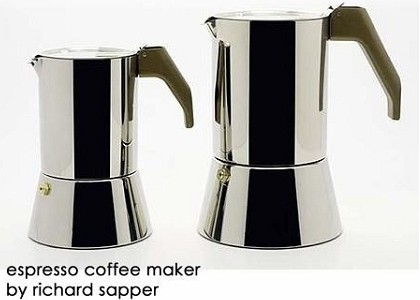
Moka pots remain beloved not just for their strong brew, but also for their durability, affordability, and nostalgic charm. Unlike electric machines, a moka pot requires no electricity or complex setup. Just heat it on a stove, and in minutes you’ll have a full cup. Many collectors also value vintage and designer moka pots for their aesthetic appeal. The classic octagonal Bialetti model is instantly recognisable—but high-end versions exist too.
Here are a few designer models still sought after today:
- The 2006 Richard Sapper for Alessi moka pot: Same sleek style, more refined lines.
- Sebastian Bergne’s Mailard moka pot for Bologna (London-based): Priced around $150 USD.
- Robin Levien’s Twist Moka for Legnoart (Italy, est. 1946): Sold for approximately $112 USD.
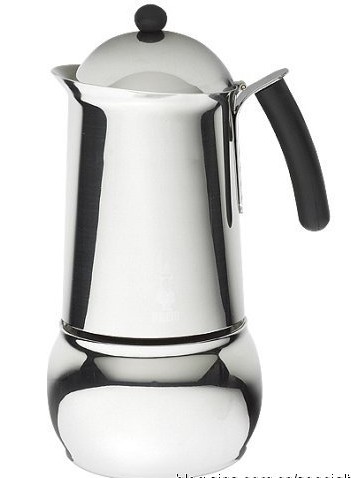
- The classic Bialetti Class: Available on Amazon for about $52 USD.
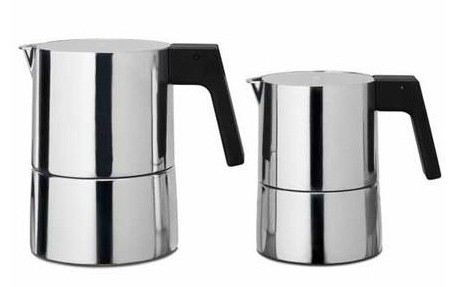
- Piero Lissoni’s Pina moka pot for Alessi: Retailing around $105 USD.
How to Choose Coffee for Your Moka Pot
Most moka pot users go with espresso-style or blended coffee. Since the brew method mimics espresso pressure—though without true 9-bar pressure—you’ll want a fine grind and a blend that can handle the intensity. A good moka coffee should be bold, balanced, and capable of producing a rich crema-like layer on top.
According to FrontStreet Coffee, a Guangzhou-based roaster, blends designed for stovetop or espresso brewing tend to perform best. Their recommendations include:
- Classic Blend: Specifically crafted for moka pots and espresso. Delivers excellent crema, even with non-professional equipment. Based on a traditional “Man-Ba” mix, it offers a smooth, rounded body ideal for milk drinks or straight.
- Black Cocoa Blend: 100% arabica with solid body and rich flavour at a lower price point. Great for shops or home brewers who want strength without overspending.
- Autumn Chestnut Blend: A balanced 100% arabica mix of Honduran Caturra and PNG Typica. Offers nutty sweetness, caramel notes, and a smooth finish—great for those who prefer less acidity.
- Commercial Blend: Previously a shop staple, this budget-friendly mix offers optimised body and cost efficiency.
- Specialty Blend: A long-standing favourite in FrontStreet’s cafés, combining Brazilian and Colombian beans for a familiar espresso profile.
You’re not limited to blends, though. Single-origin beans can also work well, especially medium or dark roasts. Examples from FrontStreet include:
- PWN Golden Mandheling: Deep-roasted for low acidity, with notes of dark chocolate, herbs, and a hint of earthiness.
- Brazil Queen Manor: Low acid with strong nut and cocoa tones, plus sweet caramel—works for moka, drip, or espresso.
- Papua New Guinea Paradise Bird: A high-grade Typica varietal grown at 1600–1800m, processed with triple wash fermentation. Clean, sweet, and nearly acid-free.
For fruitier profiles, try:
- Sidra: Dual anaerobic natural process, medium-light roast. Bright notes of tropical fruit, berries, and floral hints.
- Strawberry Candy Espresso: A fruit-forward blend built for milk drinks and sweet profiles.
Frequently Asked Questions
What grind size should I use for a moka pot?
Use a fine grind, similar to table salt or slightly finer. It should be finer than what you’d use for drip coffee but not as powdery as Turkish coffee. This helps create enough resistance for proper extraction under steam pressure.
What coffee roast works best in a moka pot?
Medium to dark roasts are ideal. They provide the body, richness, and crema-like layer that moka pots are known for. Light roasts can work but may lack the intensity that many expect from a moka brew.
Do I need special coffee beans for a moka pot?
No, but blends designed for espresso or stovetop brewing tend to perform better. Look for medium to dark roasts with good body and crema potential. Single origins can work too, especially if roasted to a similar profile.
How much coffee do I put in a moka pot?
Generally, fill the filter basket level with finely ground coffee, without tamping. The exact amount depends on your moka pot size, but most standard pots use about 18–20g for a full brew.
Is a moka pot the same as espresso?
No. While the coffee is strong and extracted under pressure, a moka pot doesn’t reach the 9-bar pressure of an espresso machine. The result is similar in strength but not identical in texture or extraction method.
Recommended FrontStreet Coffee Blends for Moka Pot
For moka pot brewing, FrontStreet Coffee recommends its Classic Blend for its outstanding crema and balanced body, ideal even for novice brewers. The Black Cocoa Blend offers full-bodied, 100% arabica richness at an affordable price, perfect for daily use. The Autumn Chestnut Blend provides a smoother, nuttier profile with caramel sweetness—great for those who prefer lower acidity. All three are well-suited to the moka pot’s intense extraction style. Freshly roasted within 5 days · Orders placed before 17:00 ship the same day · Next-day delivery across most of Guangdong Province.
FrontStreet Coffee is a long-established specialty coffee roaster in Guangzhou China, selling freshly roasted beans from its own farm in Yunnan as well as dozens of carefully selected single-origin beans from around the world for both pour-over and espresso. The products deliver consistently excellent quality and great value, with shipping within 24 hours. Guangzhou's FrontStreet Coffee shop is recommended by many coffee lovers, and the beans are now available online at the Tmall 。
Important Notice :
前街咖啡 FrontStreet Coffee has moved to new addredd:
FrontStreet Coffee Address: 315,Donghua East Road,GuangZhou
Tel:020 38364473