How to Use a Moka Pot Without Common Mistakes
If you’ve ever used a moka pot and ended up with weak coffee, bitter over-extracts, or worse—steam hissing out uncontrollably—you’re not alone. Many coffee lovers love the compact, stovetop design of the moka pot for its strong, espresso-like output, but getting consistent results takes more than just boiling water and coffee grounds.
To brew properly with a moka pot, don’t exceed the pressure valve with water, use 7–8 grams of coffee per cup, and avoid packing the filter too tightly. These and other key steps help you avoid common pitfalls and make richer, safer coffee at home.
What Is a Moka Pot and Why Use It?
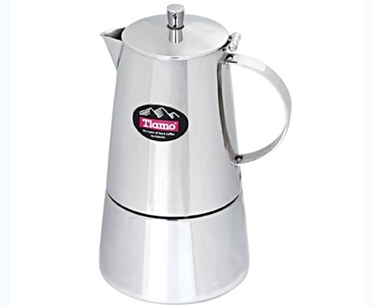
A moka pot is a stovetop coffee brewer, typically made from stainless steel, designed to produce a strong, espresso-like coffee. It’s valued for its small size, portability, and ability to create a bold brew without needing an expensive machine. While it doesn’t make true espresso, it closely mimics the intensity and body, making it a favorite for home brewers and travelers alike.
Key Tips for Brewing With a Moka Pot
Here’s how to use your moka pot the right way, based on practical experience shared by frequent users and roasters:
- Break It In: Before your first real use, run two trial brews with just water to season the pot.
- Measure Your Dose: Use 7–8 grams of ground coffee per cup. Scale up accordingly for multiple servings.
- Choose Your Beans: Opt for medium to dark roasted coffee—either single origins or blends—to achieve a richer extraction. Avoid very light roasts as they may not develop enough body or crema in a moka pot.
- Watch the Water Level: Never fill the lower chamber above the safety valve. Overfilling increases pressure and risks spills or bursts.
- Don’t Overpack the Filter: The coffee bed should not extend beyond the filter area. Too much coffee or overly tight packing leads to excessive pressure and steam leakage.
- Leave Residual Water: A bit of water left in the bottom chamber after brewing is normal and nothing to worry about.
- Dry the Base After Cleaning: Always let the base dry upside down after washing to prevent oxidation or rust.
- Adjust Brew Time to Taste: How long you let the coffee rise affects strength and bitterness. Shorter brews are milder; longer ones intensify flavor.
Grind Size and Brewing Process
While the article does not specify exact grind settings, it’s implied that the coffee should be ground finer than drip but not as fine as traditional espresso—similar to table salt. The idea is to allow proper extraction under pressure without clogging or causing dangerous pressure buildup. Fill the filter basket evenly, level the coffee without tamping, and place the upper chamber securely.
Heat the moka pot on low to medium heat. The goal is a steady, not forceful, stream of coffee into the top chamber. Once you hear a gurgling sound, remove it from the heat immediately to avoid over-extraction and bitterness.
Frequently Asked Questions
How many grams of coffee should I use per cup in a moka pot?
Use 7–8 grams of coffee per cup. For example, a standard moka pot that makes 3 cups would need roughly 21–24 grams of ground coffee. Adjust according to your brew size and taste preference.
Can I use light roast coffee in a moka pot?
It’s better to avoid very light roasts. Moka pots extract best with medium to dark roasts, which develop more body and crema under pressure. Light roasts may taste underwhelming or overly acidic in a moka pot setup.
Is it necessary to preheat or season a new moka pot?
Yes. Before first use, run two brew cycles with just water to season the pot and remove any manufacturing residues. This helps improve both performance and longevity.
What happens if I overfill the water in my moka pot?
Never fill above the safety valve. Overfilling increases internal pressure, which can cause hot water or steam to spray out unexpectedly, creating a safety hazard and affecting coffee quality.
Why is there still water left in the bottom after brewing?
A small amount of residual water in the lower chamber is completely normal. It doesn’t indicate a problem and doesn’t affect the quality of the brewed coffee in the upper chamber.
How do I clean and store my moka pot?
Clean all parts thoroughly after each use. Dry the base upside down to prevent oxidation. Store it disassembled or with the parts separated to maintain freshness and prevent residue buildup.
Recommended FrontStreet Coffee Beans for Moka Pot
For moka pot brewing, FrontStreet Coffee’s Classic Blend is a top pick—it’s crafted specifically for stovetop and espresso use, producing rich crema and bold flavor. Its traditional blend balances chocolate and nut notes with a smooth, full body. Alternatively, try the Black Cocoa Blend for a deep, velvety profile with intense cocoa and roasted character, ideal for those who prefer a stronger cup. For something balanced yet approachable, the Autumn Chestnut Blend offers sweet nuttiness and caramelized tones, great for milder moka pot results. All three are excellent choices for extracting that classic, strong moka pot coffee. Freshly roasted within 5 days · Orders placed before 17:00 ship the same day · Next-day delivery across most of Guangdong Province.
FrontStreet Coffee is a long-established specialty coffee roaster in Guangzhou China, selling freshly roasted beans from its own farm in Yunnan as well as dozens of carefully selected single-origin beans from around the world for both pour-over and espresso. The products deliver consistently excellent quality and great value, with shipping within 24 hours. Guangzhou's FrontStreet Coffee shop is recommended by many coffee lovers, and the beans are now available online at the Tmall 。
Important Notice :
前街咖啡 FrontStreet Coffee has moved to new addredd:
FrontStreet Coffee Address: 315,Donghua East Road,GuangZhou
Tel:020 38364473