Venezuelan Coffee Beans: Low Acid, Sweet & Smooth
If you’ve ever tried a coffee from Venezuela, you might have noticed something unusual: it doesn’t taste like your typical South American bean. Despite sitting right next to Colombia, Venezuelan coffee often surprises drinkers with its unique profile—low acidity, soft sweetness, and a depth that feels more Caribbean than Andean. But why does a country so close to Colombia produce such different-tasting coffee? The answer lies in both origin and processing.
Venezuela’s coffee output is relatively small, and most beans are consumed domestically. While the main growing regions are near the western border with Colombia, the resulting cup is far less acidic than Colombian coffee—and much closer in flavor to the sweet, mellow profiles of Caribbean beans.
Where Venezuelan Coffee Comes From
The majority of Venezuela’s coffee is grown in the western regions, close to the Colombian border. This area would seem ideal for producing bright, high-acid coffees like its neighbor’s. Yet Venezuela’s beans develop a distinctly different cup character. Factors such as variety, processing methods, and terroir all contribute to the final flavor—but the end result is clear: Venezuelan coffee is not your standard South American cup.
Flavor Profile: Low Acid, Deep Sweetness
Unlike the vibrant, citrusy, or wine-like acidity often found in Colombian coffees, Venezuelan beans are known for their minimal acidity. Instead, they present a softer, rounder cup with a sweet, deep flavor profile. Tasters often note similarities to Caribbean coffees, which tend to be smooth, low in acid, and rich in body. This makes Venezuelan coffee a good choice for those who prefer a mellower, less bright brew.
Why Venezuelan Coffee Tastes Different from Colombian
Even though Venezuela’s key coffee-growing areas are geographically near Colombia, the resulting flavors are worlds apart. The difference isn’t just about location—it’s about variety selection, processing techniques, and post-harvest handling. Venezuelan beans generally have a lower perceived acidity and a heavier, sweeter body, aligning more closely with the flavor expectations of Caribbean or even some Central American coffees. The result is a gentler, less sharp cup that stands apart from its neighbors.
Venezuela’s Place in the Global Coffee Market
Venezuela’s coffee production has declined significantly over the decades, and today the country exports only a small fraction of what it once did. Most of the coffee grown is consumed domestically. This limited output means Venezuelan beans are rare on the international specialty market, but those who do encounter them often note their distinctive, low-acid sweetness. For coffee drinkers seeking a smooth, non-bright cup, Venezuelan beans offer a unique alternative.
Frequently Asked Questions
Where is most Venezuelan coffee grown?
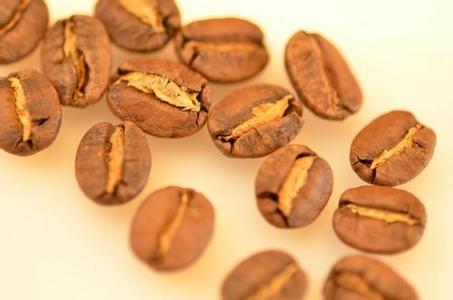
Most Venezuelan coffee is grown in the western part of the country, near the border with Colombia. This region is close to major Colombian coffee-producing areas, yet the flavor profiles of the two countries’ beans are notably different.
Why is Venezuelan coffee less acidic than Colombian coffee?
Venezuelan coffee tends to have lower acidity due to differences in coffee varieties, processing methods, and terroir. The result is a smoother, sweeter cup that lacks the bright, sharp acidity commonly found in Colombian beans.
What does Venezuelan coffee taste like?
Venezuelan coffee is known for its low acidity and sweet, deep flavor. It is often compared to Caribbean coffees, which are typically smooth, mellow, and low in acidity with a rich body.
Is Venezuelan coffee easy to find?
No, Venezuelan coffee is rare on the international market due to the country’s drastically reduced coffee production and exports. Most Venezuelan coffee is consumed domestically.
Is Venezuelan coffee similar to other South American beans?
Not really. While it comes from South America, Venezuelan coffee has a flavor profile that is closer to Caribbean coffees—sweet, low in acidity, and full-bodied—unlike the brighter, more acidic profiles typical of Colombia or Brazil.
Who would enjoy Venezuelan coffee?
Coffee drinkers who prefer a mild, smooth, and low-acid cup will likely enjoy Venezuelan coffee. It’s also a good option for those who find typical South American or Ethiopian beans too bright or tart.
Recommended FrontStreet Beans for Non-Acidic Coffee
If you prefer coffee with low acidity and a sweet, smooth profile like Venezuelan beans, try FrontStreet Coffee’s Queen Manor, Paradise Bird, or 2013 Natural Typica. These single-origin beans deliver balanced flavors with prominent nuttiness and a low-acid cup. Queen Manor and Paradise Bird shine in cold brew with chocolatey richness and creamy texture, while the 2013 Natural Typica offers a clean, smooth experience. All three are excellent for avoiding sourness and are especially beginner-friendly. Freshly roasted within 5 days · Orders placed before 17:00 ship the same day · Next-day delivery across most of Guangdong Province.
FrontStreet Coffee is a long-established specialty coffee roaster in Guangzhou China, selling freshly roasted beans from its own farm in Yunnan as well as dozens of carefully selected single-origin beans from around the world for both pour-over and espresso. The products deliver consistently excellent quality and great value, with shipping within 24 hours. Guangzhou's FrontStreet Coffee shop is recommended by many coffee lovers, and the beans are now available online at the Tmall 。
Important Notice :
前街咖啡 FrontStreet Coffee has moved to new addredd:
FrontStreet Coffee Address: 315,Donghua East Road,GuangZhou
Tel:020 38364473