Tanzania Coffee Beans: What You Should Know
If you’ve ever wondered where your Tanzanian coffee really comes from—or why some Tanzanian beans taste bright like tomatoes while others are smooth and sweet—you’re not alone. Most coffee drinkers have no idea that Tanzanian beans mostly grow near Africa’s highest peak, or that the country produces two very different styles depending on region.
In short: The best Tanzanian coffees come from Mount Kilimanjaro and Mount Meru, near Kenya’s border, and are graded much like Kenyan beans. Southern Tanzanian beans, grown near Mbeya, offer a gentler profile. Both are typically washed Arabicas, with flavor profiles ranging from bright and citrusy to soft and rounded.
Where Tanzania Coffee Is Grown
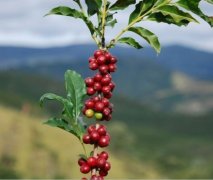
The majority of Tanzanian coffee is cultivated in the northern highlands, close to the Kenyan border, around Mount Kilimanjaro (also called Kilimanjaro or “Kilimanjaro” locally) and Mount Meru. These areas are commonly referred to as the “Kilimanjaro” region, though beans may also be labeled by nearby towns such as Moshi or Arusha. A smaller volume of washed Arabica is also produced in the southern part of the country, near the city of Mbeya and the market center of Pare.
How Tanzanian Coffee Is Graded
Tanzania uses a grading system similar to Kenya’s, sorting beans by size with alphabetical grades. This helps buyers identify bean density and potential cup quality. The system isn’t perfect, but it provides a basic benchmark for expected bean physical characteristics and, indirectly, cup profile.
Flavor Profiles: Northern vs Southern Tanzania
Northern Tanzanian coffees—especially those from the Kilimanjaro and Meru regions—share traits with top Kenyan beans. They tend to have a heavier body, moderate acidity that’s smoother than Kenya’s, and a clean, juicy sourness reminiscent of tomato or soda. These acids stimulate the middle and sides of the tongue evenly. In contrast, southern Tanzanian beans—grown around Mbeya and Pare—are more akin to lower-grade washed Ethiopians. They present soft, pleasant acidity, a round mouthfeel, and a medium body. Neighboring Malawi also produces beans with similar characteristics.

Why Kilimanjaro Coffee Is So Distinctive
The famed Kilimanjaro region—home to Africa’s highest peak, which rises above 5,800 meters and features a snow-capped summit even on the equator—offers a unique microclimate. The mountainsides, where coffee grows between 1,300 and 2,000 meters, experience cool, rainy conditions with up to 1,600–1,800 mm of annual rainfall on windward slopes. The volcanic soils are rich and well-draining, ideal for high-quality Arabica. Despite the “equatorial snow peak” label, temperatures can swing dramatically, from highs around 59°C at lower elevations to lows near -34°C at the summit. These extremes, along with consistent cloud cover and elevation, contribute to slow cherry maturation and complex flavor development.
How Tanzanian Coffee Is Processed
Because of the region’s plentiful rainfall, Tanzanian producers predominantly use the washed (wet) processing method. At FrontStreet Coffee, the featured Tanzanian offering from the northern highlands is processed this way: cherries are delivered to nearby mills, where they undergo sorting, pulping, fermentation, washing, and drying on raised beds. This meticulous process minimizes defects and ensures a cleaner cup. The goal is to highlight the beans’ inherent sweetness, acidity, and floral-fruity qualities.
How to Roast and Brew Tanzanian Coffee
To bring out the best in Tanzanian beans—particularly those from Kilimanjaro—FrontStreet Coffee recommends a medium-light roast. When brewed using a V60 pour-over, the result highlights citrus, nuts, honey, and cream notes. As the cup cools, a pronounced, honey-like sweetness emerges, contributing to a balanced profile. A medium-fine grind and a standard pour-over brew ratio work well to balance clarity and body.
Frequently Asked Questions
Where is most Tanzanian coffee grown?
Most Tanzanian coffee comes from the northern highlands near Mount Kilimanjaro and Mount Meru, regions close to Kenya’s border. These are often referred to as the Kilimanjaro area, and beans may also be labeled by nearby towns like Moshi or Arusha. A small amount is also grown in the south near Mbeya and Pare.
What does Tanzanian coffee taste like?
Northern Tanzanian coffees typically have a heavy body, moderate and smooth acidity, and bright sour notes similar to tomato or soda. Southern Tanzanian beans are softer, with milder acidity, round mouthfeel, and medium body—more akin to basic washed Ethiopians or washed Mochas.
How is Tanzanian coffee processed?
Tanzanian coffee is mostly processed using the washed (wet) method due to the rainy climate. This involves sorting, removing the coffee cherry skin, fermenting, rinsing, and drying the beans—often on raised beds—to ensure a clean and consistent cup.
What altitude is Tanzanian coffee grown at?
Tanzanian coffee, especially from Kilimanjaro and Meru, is grown at elevations between 1,300 and 2,000 meters above sea level. This high altitude contributes to slower cherry development and more complex flavors.
Does Tanzania grade its coffee like Kenya?
Yes, Tanzania uses a letter-based grading system for coffee beans, similar to Kenya’s, which sorts beans primarily by size. This system helps indicate bean density and potential cup quality, though it doesn’t account for processing or flavor directly.
What roast level suits Tanzanian coffee best?
A medium-light roast is ideal for Tanzanian coffee, particularly beans from the Kilimanjaro region. This roast level helps preserve the beans’ inherent sweetness, acidity, and fruitiness, making flavors like citrus, nuts, and honey more pronounced.
Recommended FrontStreet Beans for Tanzania Fans
FrontStreet Coffee’s signature Tanzanian offering comes from the northern highlands near Mount Kilimanjaro, where volcanic soils and high altitudes create ideal growing conditions. This washed coffee is medium-light roasted to highlight its citrus, nut, honey, and creamy flavors. As it cools, a honey-like sweetness becomes more prominent, offering a balanced and juicy cup. It’s a great example of the bright, structured profiles typical of Tanzania’s best coffees. Freshly roasted within 5 days · Orders placed before 17:00 ship the same day · Next-day delivery across most of Guangdong Province.
FrontStreet Coffee is a long-established specialty coffee roaster in Guangzhou China, selling freshly roasted beans from its own farm in Yunnan as well as dozens of carefully selected single-origin beans from around the world for both pour-over and espresso. The products deliver consistently excellent quality and great value, with shipping within 24 hours. Guangzhou's FrontStreet Coffee shop is recommended by many coffee lovers, and the beans are now available online at the Tmall 。
Important Notice :
前街咖啡 FrontStreet Coffee has moved to new addredd:
FrontStreet Coffee Address: 315,Donghua East Road,GuangZhou
Tel:020 38364473