How to Brew Coffee with a Flannel Filter for Maximum Flavor
If you’ve ever brewed coffee and felt like something was missing—like the aromas faded too fast or the texture lacked depth—you’re not alone. Most brewing methods trap some of a coffee’s volatile oils and finer aromatics in the paper or metal. But with a flannel filter, those nuances shine through—if you know how to handle it.
The key to the richest, cleanest cup? A flannel filter, used right. It extracts more aroma compounds and body than paper, but only if the fabric is properly prepped, stored, and the pour is controlled. Here’s the full breakdown.
Why Flannel Filters Bring Out More Coffee Flavor
Flannel filters allow more of the coffee’s natural aromatic oils and fine particles to pass through compared to paper. That means brighter acidity, fuller body, and a longer-lasting scent in the cup. The trade-off? Flannel requires careful cleaning and storage to avoid absorbing odors or clogging.
Getting Your Flannel Filter Ready to Brew
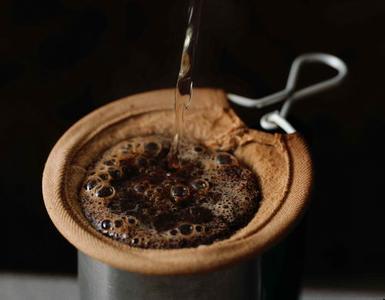
Before your first pour, set up your flannel filter properly. Start with a slightly oversized filter—coffee grounds will swell as water hits them, especially during the bloom phase. Use the fuzzy (nap) side facing outward. Rinse the filter thoroughly under hot water, then gently wring out wrinkles so it lies flat in your brewer. This prevents uneven flow and ensures even extraction.
How to Store and Maintain Flannel Filters
New flannel filters need a preliminary wash to remove manufacturing residues. Don’t use soap or detergent—those scents won’t fully wash out. Instead, scrub the filter gently with a soft brush, then boil it in water with used coffee grounds for five minutes. Rinse well afterward. Once in regular use, always rinse the filter with hot water before brewing. After each session, wash it thoroughly in water to prevent oxidation. For long-term storage, submerge the filter in water and refrigerate it—but change the water daily to avoid mineral buildup and clogging. Always warm the filter with hot water before use to prep it for brewing.
Step-by-Step: Brewing With a Flannel Filter
To get the best results, follow this precise method:
- Dose & Setup: Use 10–12 grams of coffee per brew. Place the coffee in the flannel filter with the fabric’s nap side facing inward. Flatten the bed evenly.
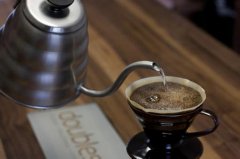
- Water Temperature: For light roasts, aim for around 95°C (203°F). For darker roasts, lower the temperature slightly. Begin pouring with a thin stream, controlling the flow as you go. Start with a center-focused pour to initiate the bloom—let it develop for 20 seconds. Pause pouring during this bloom phase.
- Bloom Phase: Allow the coffee to release gases for about 20 seconds after the initial wetting. This pause is crucial for even extraction later.
- Main Pour: After the bloom, continue pouring in a steady circular motion—from the center outward and back again—using equal increments of water. Keep the stream slow and controlled.
- Extraction Completion: Do not let all the water drip through completely. Stop the brew once you’ve added the desired water volume, even if coffee remains in the filter. Remove the filter while some liquid is still inside.
- Serving: If the brewed coffee cools before drinking, gently reheat it without boiling. Give it a light swirl to mix and pour into your cup.
Frequently Asked Questions
Why does a flannel filter produce a richer cup than paper?
Flannel filters let more of the coffee’s natural oils and fine particles pass through, enhancing aroma, body, and sweetness. Paper filters block these compounds, resulting in a cleaner but less robust cup. Flannel captures the full spectrum of flavors, especially in light roasts.
Do I really need to boil my new flannel filter before first use?
Yes. New flannel filters often carry residues from manufacturing. Boil the filter in water with used coffee grounds for five minutes to remove any chemical smells. Do not use soap—it leaves lingering odors that don’t wash out completely.
How should I store my flannel filter when not in use?
Rinse it thoroughly after each use, then soak it in water and store it in the refrigerator. Change the soaking water daily to prevent mineral deposits and bacterial growth. Before brewing, rinse the filter with hot water to rewarm and prep it.
What’s the ideal water temperature for flannel filter brewing?
For light roasts, use around 95°C (203°F). For dark roasts, reduce the temperature slightly. Precise temperature control helps manage extraction balance, especially in delicate brews.
Can I use a flannel filter for any coffee bean?
Yes, but light to medium roasts—especially washed or natural Ethiopian beans—highlight the filter’s strengths. The extra oils enhance floral, fruity, and tea-like notes. Dark roasts work too, but the body and aroma impact is more subtle.
Best FrontStreet Coffee Beans for Flannel Filter Brewing
For flannel filter brewing, go with FrontStreet’s light to medium-roasted single origins. The Ethiopia Yirgacheffe Gedeb shows citrus, jasmine, and berry layers with a tea-like finish—perfect for highlighting flannel’s aromatic capture. The Ethiopia Huakui (Huakui) offers tropical fruits and berries with a juicy mouthfeel. Or try the Kafa Forest, with bright lemon acidity, sweet orange, and a green-tea-like body. All three shine with a flannel filter’s enhanced clarity and body. Freshly roasted within 5 days · Orders placed before 17:00 ship the same day · Next-day delivery across most of Guangdong Province.
FrontStreet Coffee is a long-established specialty coffee roaster in Guangzhou China, selling freshly roasted beans from its own farm in Yunnan as well as dozens of carefully selected single-origin beans from around the world for both pour-over and espresso. The products deliver consistently excellent quality and great value, with shipping within 24 hours. Guangzhou's FrontStreet Coffee shop is recommended by many coffee lovers, and the beans are now available online at the Tmall 。
Important Notice :
前街咖啡 FrontStreet Coffee has moved to new addredd:
FrontStreet Coffee Address: 315,Donghua East Road,GuangZhou
Tel:020 38364473