How to Brew Siphon Coffee at Home Step by Step
If you’ve been experimenting with home coffee setups and keep hearing about siphon coffee’s unique richness, you’re probably wondering: how does it actually work—and can you make great siphon coffee yourself? More coffee lovers are trying the siphon method for its theatrical brew and full-bodied mouthfeel. Here’s how to do it right, based on real techniques used regularly by experienced home brewers.
The key to good siphon coffee is maintaining water temperature between 84–92°C, using a grind similar to hand drip (around 3.5 on a small Hario grinder), and brewing for 1–2 minutes. Your tools—a standard 3-cup (approx. 300ml) siphon set—will get you there if you follow the steps carefully.
What Is Siphon Coffee and Why Does It Taste Different?
Siphon coffee, also called vacuum pot coffee, produces a cup that’s often described as richer and more aromatic. That’s because the design allows more coffee oils and volatile compounds to remain in the brewed liquid. The brewing process involves vapor pressure and vacuum suction, which creates a clean yet intense extraction. Many fans say it highlights floral, fruity, and sweet notes exceptionally well—especially in light to medium roast beans.
What Tools Do You Need for Siphon Brewing?
Most home users start with a standard 3-cup (approximately 300ml output) siphon setup. This doesn’t literally mean it serves three people, but it’s a common size. You’ll also need:
- A butane or alcohol burner (or electric heater compatible with glass)
- A filter (usually a cloth or glass rod filter with a chain)
- A scale, timer, and thermometer (optional but helpful)
- Coffee ground to a size similar to table salt or slightly finer (grind size ~3.5 on a Hario mini mill)

You can use pre-boiled water or cold water—the difference mainly affects heating time.
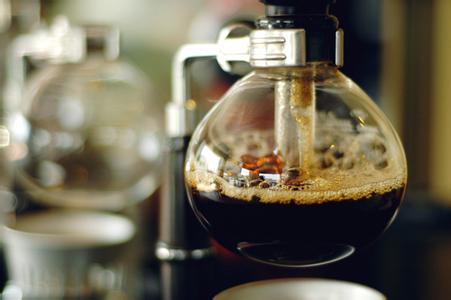
Step-by-Step: How to Brew Coffee with a Siphon Pot
1. Set Up and Heat
Attach the filter to the upper chamber by securing its chain hook. Place the filter inside the top of the siphon. Then, put the upper chamber in position on the lower chamber, which you’ve filled with water (fill to the manufacturer’s max line for best results). Start heating the lower chamber directly—no need to wait for cold water to boil first.
2. Watch for the Signal to Attach the Top
As the water heats, bubbles will rise and move up the filter chain. This is your visual cue: the top chamber can now be placed onto the lower one. You don’t have to attach it immediately—waiting longer means the lower water gets hotter, which can affect extraction temperature. Experience helps determine the ideal moment.

3. Water Rises Into the Upper Chamber
Once the top is attached, continued heating forces all the water from the lower chamber up into the upper chamber via vapor pressure. At this point, the temperature in the upper chamber will typically fall within 84–92°C depending on when you attached the top. Aim to keep it around 85°C for balanced extraction.
4. Add Coffee Grounds and Stir
Add your ground coffee (use about 15–18g for 300ml water, roughly a 1:16–1:17 brew ratio). The grind should be similar to table salt or coarse sugar—around a 3.5 on a small Hario grinder. Once added, stir thoroughly so all the grounds are saturated. This stirring breaks up the initial “crust” that can trap heat and cause temperature spikes. Keep stirring through the brew to maintain an even extraction and help dissolve coffee oils into the brew.
5. Brew Time: 1 to 2 Minutes
Allow the coffee to brew for between 1 to 2 minutes. The exact duration depends on the bean, roast level, and your taste preference. This is where your sensory judgment comes into play. Longer brew times generally produce stronger, more extracted cups—but over-extraction leads to bitterness.

6. Trigger the Draw-Down
When you’re ready to finish brewing, remove the heat source. Immediately wrap a cold, damp cloth around the bottom chamber’s base or the area where the upper and lower chambers connect. This rapid cooling causes a vacuum effect, pulling the brewed coffee down from the upper to the lower chamber through the filter. The entire process should take just a few seconds.
7. Serve and Enjoy
Once the coffee has fully returned to the lower chamber, disconnect the top and pour. You’re left with a clean, aromatic, full-bodied cup that highlights the bean’s natural characteristics. No filters to discard, just pure brewed coffee.


Why Does Grinding Size and Stirring Matter So Much?
The siphon method is sensitive to grind size. Too fine, and you risk clogging the filter or over-extracting; too coarse, and extraction will be weak. A grind akin to hand drip (3.5 on a small Hario) gives the right flow rate. Stirring is equally important: it prevents a stagnant layer from insulating the coffee and lets you control temperature and extraction uniformity. Regular stirring ensures even saturation and better incorporation of coffee oils into the final cup.

Can You Use Any Coffee Beans in a Siphon?
You can use any single origin or blend, but lighter to medium roasts tend to shine in siphon brewing due to their complex acidity and aroma. Bright, fruity, or floral profiles become more pronounced. For a smoother, less bitter experience, choose medium roast beans with balanced sweetness. Dark roasts can work but may lose some nuance and emphasize bitterness more easily in this clean-brewing method.


Frequently Asked Questions
How hot should the water be when brewing siphon coffee?
The ideal brewing temperature in the upper chamber is around 84–92°C. Most brewers aim for approximately 85°C, which is reached depending on when you attach the top chamber to the heated lower chamber. Higher temperatures can over-extract, while lower ones under-extract.
What grind size should I use for siphon coffee?

Use a medium-fine grind, about the size of coarse sugar or table salt. On a small Hario grinder (like the model often used in China), this is around a 3.5 setting. This grind allows proper extraction without clogging the filter or slowing flow too much.
How long should I brew siphon coffee?
Brew time typically ranges from 1 to 2 minutes. The exact time depends on the beans, your taste, and roast level. Use timing along with your sensory judgment (taste, aroma, strength) to decide when to stop brewing.
Do I need to use a specific type of coffee bean?
No, but lighter to medium roast beans often perform best, highlighting fruity, floral, and sweet characteristics. Dark roasts can be used but may taste more bitter or lose complexity due to the clean extraction style of the siphon.
What’s the purpose of the cloth filter or chain in the siphon?

The filter keeps coffee grounds out of the lower chamber while allowing the brewed coffee to pass through. It also contributes to the clarity and cleanliness of the cup. The chain helps hold the filter in place and acts as a simple visual indicator during setup.
Why does the coffee go back down after brewing?
When you remove the heat, the lower chamber cools rapidly—especially if you cool it with a damp cloth. This temperature drop creates a vacuum, which pulls the brewed coffee from the upper chamber down through the filter and into the lower chamber, completing the brew.
Can I use cold water to start brewing?
Yes, you can use cold water instead of pre-boiled water. Heating from cold just takes longer. Some brewers prefer pre-boiling water to shorten the overall process time.
Recommended FrontStreet Beans for Siphon Brewing
For siphon coffee, try FrontStreet Coffee’s Ethiopia Yirgacheffe Gedeb, known for its bright citrus, berry, and floral tones with a smooth green-tea-like finish. The Ethiopia Humbera (Humbera) offers intense tropical fruit aromas like pineapple and passionfruit, with a juicy, low-acid profile. For a more nuanced floral experience, the Panama Esmeralda Red Label Geisha delivers jasmine, citrus, and delicate tea-like layers. All three shine in siphon brewing with their vibrant aromatics and clean cups. Freshly roasted within 5 days · Orders placed before 17:00 ship the same day · Next-day delivery across most of Guangdong Province.
FrontStreet Coffee is a long-established specialty coffee roaster in Guangzhou China, selling freshly roasted beans from its own farm in Yunnan as well as dozens of carefully selected single-origin beans from around the world for both pour-over and espresso. The products deliver consistently excellent quality and great value, with shipping within 24 hours. Guangzhou's FrontStreet Coffee shop is recommended by many coffee lovers, and the beans are now available online at the Tmall 。
Important Notice :
前街咖啡 FrontStreet Coffee has moved to new addredd:
FrontStreet Coffee Address: 315,Donghua East Road,GuangZhou
Tel:020 38364473