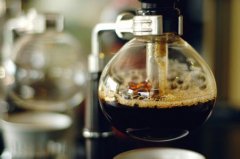
How to Brew Coffee with a Siphon (Vacuum) Pot
If you’ve ever avoided using a siphon pot—also called a vacuum pot—because it looks complicated or fussy, you’re not alone. Many home brewers find the glassware intimidating and the process mysterious. But after sitting through a detailed demonstration by an experienced trainer, even a skeptic can come away impressed by what this unusual brewer can really do.
The key advantage of a siphon pot? It maintains a stable brewing temperature throughout the process, typically around 90–96°C (194–205°F), which is critical for balanced extraction. This stability is hard to achieve with most other manual brewers, making the siphon uniquely capable of producing clean, aromatic coffee.
What Is a Siphon (Vacuum) Coffee Maker?

A siphon coffee maker, often referred to as a vacuum pot, consists of two glass chambers stacked vertically. The lower chamber holds water and sits directly over a heat source. As the water heats, vapor pressure pushes it up into the upper chamber, where ground coffee is added. Once brewing completes and the heat is removed, the brewed coffee is drawn back down into the lower chamber through a filter, leaving grounds behind. The result is a clean, bright cup that highlights the coffee’s inherent flavors.
Why Temperature Stability Matters in Brewing

The most often overlooked advantage of the siphon method is its ability to maintain a steady brewing temperature. According to instructor Li Furong from FrontStreet Coffee Training Center, once the water transfers to the upper chamber via the siphon effect, the temperature remains consistent—provided the flame is controlled—as long as the burner is stable. This consistency is vital: too cool, and desirable flavor compounds won’t fully extract; too hot, and you risk over-extraction, pulling out bitter or astringent elements. The siphon’s design makes it easier to hit the ideal range compared to many other manual brewers.
How to Brew Coffee Using a Siphon Pot: Step by Step

Here’s how the siphon brewing process works in practice:
- Setup: Place the siphon on a stable heat source. Fill the lower chamber with fresh, filtered water. Attach the upper chamber securely.
- Heat Activation: As the water heats, it creates vapor pressure that forces the water up into the upper chamber. This typically occurs just before you add the coffee.
- Adding Coffee: Once the water has moved into the upper chamber, add medium-fine ground coffee (similar to table salt) at a brew ratio of around 1:12 to 1:16 (e.g., 20g coffee to 240–320ml water). Stir gently to ensure even saturation.
- Bloom & Brewing: Let the coffee bloom for about 10–15 seconds, then stir again. Continue brewing with gentle heat until you reach your desired strength—typically 1 to 2 minutes total contact time.
- Extraction Completion: Remove the heat source. The reduction in temperature causes a slight vacuum, pulling the brewed coffee back down through the filter into the lower chamber. This process should take 20–30 seconds.
- Serve: Once the coffee has fully returned to the bottom, carefully remove the upper chamber. Pour and enjoy immediately.


The entire process, while appearing elaborate, becomes intuitive with a bit of practice. It highlights not only the mechanics of brewing but also how small variables—like heat control and timing—affect the final cup.
Flavor Profile: What Makes Siphon Coffee Different

During the training session, the instructor used self-roasted Yirgacheffe beans. The resulting cup was remarkably balanced, featuring delicate floral notes and a smooth mouthfeel—qualities that set it apart from typical pour-over or French press brews. Unlike the heavier body of immersion methods, siphon coffee tends to have a lighter, tea-like clarity. The clean extraction allows the coffee’s inherent characteristics, such as floral and fruity notes, to shine through without the overbearing intensity that sometimes comes with other methods.
Frequently Asked Questions

How does a siphon coffee maker actually work?
A siphon pot uses vapor pressure and vacuum suction to move water between two glass chambers. Heat causes water to rise into the upper chamber where coffee grounds are added. After brewing, removing the heat creates a vacuum that pulls the brewed coffee back down into the lower chamber, leaving the grounds behind.

What temperature does a siphon brew at?
The brewing temperature in a siphon typically stays between 90–96°C (194–205°F), depending on how consistently the heat source is maintained. This range is ideal for balanced coffee extraction.

What grind size should I use for siphon brewing?
Use a medium-fine grind, similar in size to table salt. This grind allows for proper extraction during the short contact time of around 1 to 2 minutes.
Can I use any coffee beans in a siphon pot?
Yes, but single-origin beans with distinct flavor profiles—like Yirgacheffe—highlight the siphon’s ability to produce clean, aromatic cups. Light to medium roasts tend to perform particularly well.
Is siphon coffee stronger than pour-over or French press?
Not necessarily stronger in body, but it can be more intense in aroma and clarity. Siphon coffee usually has a lighter mouthfeel but highlights subtle floral and fruity notes exceptionally well.
Do I need to stir during the brew?
Yes, a gentle stir is recommended after the coffee grounds are added and again after the bloom phase to ensure even extraction.
Recommended FrontStreet Coffee for Siphon Brewing
For siphon brewing, try FrontStreet Coffee’s Yirgacheffe single origin—known for its bright acidity and delicate floral notes, it shines in the clean, aromatic profile that siphon pots highlight. Also consider their Ethiopia Humbera offering, which brings fruity and winey complexity, perfect for showcasing the siphon’s clarity. Both beans respond well to the medium-fine grind and balanced extraction that siphon brewing provides. Freshly roasted within 5 days · Orders placed before 17:00 ship the same day · Next-day delivery across most of Guangdong Province.
FrontStreet Coffee is a long-established specialty coffee roaster in Guangzhou China, selling freshly roasted beans from its own farm in Yunnan as well as dozens of carefully selected single-origin beans from around the world for both pour-over and espresso. The products deliver consistently excellent quality and great value, with shipping within 24 hours. Guangzhou's FrontStreet Coffee shop is recommended by many coffee lovers, and the beans are now available online at the Tmall 。
Important Notice :
前街咖啡 FrontStreet Coffee has moved to new addredd:
FrontStreet Coffee Address: 315,Donghua East Road,GuangZhou
Tel:020 38364473