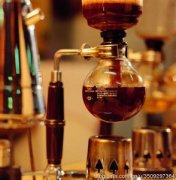
How to Use a Moka Pot Like in French Movies
You’ve seen them in French films—those elegant stovetop espresso makers hissing away on old brass burners. But when you finally buy a moka pot, you’re left wondering: why does your coffee taste harsh, watery, or worse, spray all over the stove? Brewing great coffee with a moka pot isn’t intuitive, but it’s far from impossible.
To make authentic Italian-style espresso with a moka pot, fill the bottom chamber with filtered water to just below the safety valve, tamp your coffee lightly, use medium-fine grind, and heat on high with a gas, electric, or induction stove. Extract until the bubbling sound shifts from hiss to gurgle—typically 30–45 seconds—and remove from heat immediately for best results.
What Is a Moka Pot and Why Use It?
A moka pot is a stovetop brewer that uses steam pressure—much lower than an espresso machine—to push hot water through finely ground coffee. It produces a small cup of strong, dark brew reminiscent of traditional Italian espresso. Popular worldwide for its simplicity and nostalgic charm, the moka pot is often seen in European films and remains a favorite for home brewers wanting intense coffee without an expensive machine.
Step-by-Step: How to Brew with a Moka Pot
Follow these steps to make a clean, well-extracted moka pot coffee without bitterness or coffee grounds in your cup:
- Water: Use filtered water (household filter is fine). Measure about 30ml per intended cup. Pour into the bottom chamber, ensuring the water level stays below the safety valve.
- Coffee Grounds: Use medium-fine grind—similar to table salt. Do not tamp hard like an espresso machine; simply level the coffee with your finger and apply gentle pressure with the tamper or a flat tool.
- Filter Option (Optional): For a cleaner cup, you can cut a round piece of filter paper or cloth to the size of the coffee chamber. If using cloth, rinse it first to remove any sizing odors. Place it over the coffee grounds before inserting the filter basket.
- Assemble: Insert the coffee-filled filter basket into the bottom chamber. Screw on the top chamber securely but don’t overtighten. Ensure the rubber gasket remains seated properly for longevity.
- Heat: Place the moka pot on a high-heat source—gas stove, induction hob, or a black crystal stove (like those used for hot pot). Avoid using a burner much larger than the base of the pot; if needed, use a smaller gas ring adapter.
- Listen & Watch: You’ll first hear a high hissing or sputtering noise as steam and pressure build. Once the sound softens to a bubbling or gurgling tone, extraction is nearly complete. You can also confirm completion by checking if steam stops rising from the central valve. Total brew time should be around 30–45 seconds.
- Serve: Remove from heat immediately once done. Pour into a preheated cup to enjoy a strong, crema-like coffee similar to stovetop espresso.
Moka Pot Brewing Tips & Tricks
Adjust your technique based on beans, roast level, and personal taste using these expert pointers:
- Coffee Amount: Adjust the dose to your taste and the size of your moka pot. Experiment with different levels to find your preferred strength.
- Filter Cloth Size: If using a cloth filter, make sure it doesn’t extend beyond the coffee grounds surface to prevent excessive pressure buildup.
- Tamper Use: The tamper or leveling tool isn't for high-pressure tamping like in espresso brewing. It’s mainly to create an even surface and help control dose when brewing small amounts in larger pots.
- Heat Source Matters: Fast, high heat is essential to generate enough steam pressure. Gas, induction, or specialized stove tops work best. Avoid small or poorly sized burners.
- Extraction Time Adjustment: For lighter roasts (light brown, no visible oils), let the coffee sit in the pot for an extra 1–1.5 minutes after brewing to enhance clarity and sweetness. For darker roasts (dark brown, oily), serve immediately to avoid over-extraction bitterness.
- Cleaning & Care: Wipe away any coffee grounds from the rim of the coffee chamber before brewing to extend the life of the rubber gasket. Don’t separate the rubber gasket from the upper chamber unless cleaning—it can be easily misplaced.
Can You Make Milk Drinks With a Moka Pot?
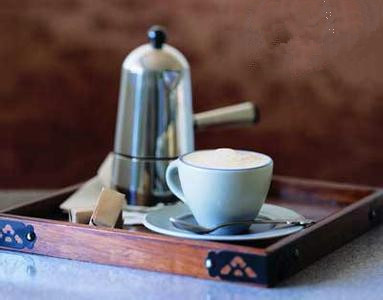
While a moka pot won’t produce microfoam for latte art like an espresso machine with a steam wand, you can still make café-style drinks. Use a manual milk frother to create decent foam from whole milk (best at around 70°C). For cold foam, whisk cold milk directly in the frother—around 10 strokes usually suffice. Hot foam might require up to 50 pumps. Pair your moka pot brew with this foam for a rich, homemade cappuccino or latte experience, especially with a creamy, full-fat milk.
Frequently Asked Questions
How much water should I put in my moka pot?
Use about 30ml of filtered water per intended cup. Fill the bottom chamber to just below the safety valve to prevent hot water and steam from spraying out during brewing.
What kind of coffee grind should I use in a moka pot?
Use a medium-fine grind, similar to table salt. It’s finer than drip coffee but not as powdery as Turkish grind. Avoid grinding too fine, which can lead to excessive pressure and bitter flavors.
Do I need to tamp the coffee in a moka pot?
No need for heavy tamping. Simply level the coffee grounds with your finger, then apply light, even pressure with the tamper or a flat tool—just enough to ensure an even extraction surface.
Can I use a paper filter in my moka pot?
Yes, you can cut a round piece of filter paper or cloth to fit the coffee chamber. This can help reduce sediment in your cup. If using cloth, rinse it first to eliminate any papery or chemical smells.
How do I know when my moka pot is done brewing?
Brewing typically takes 30–45 seconds. You’ll hear a loud hissing noise at first, which will change to a softer gurgling or bubbling sound when the extraction is complete. You can also check visually for steam ceasing to escape from the valve.
What’s the best heat source for a moka pot?
Use a gas stove, induction hob, or a hot-pot style black crystal stove for the fastest and most consistent heat. Avoid using a burner that’s much larger than the base of your moka pot.
Should I let the coffee sit after it’s brewed?
For lighter roasts, letting the coffee sit in the pot for 1–1.5 minutes after brewing can enhance sweetness and clarity. For dark roasts, serve immediately to avoid over-extracted bitterness.
Can I make lattes or cappuccinos with a moka pot?
Yes, though a moka pot doesn’t steam milk. You can manually froth milk with a milk frother. Heat whole milk to around 70°C for hot foam, or whisk cold milk directly for cold foam. Aim for thick foam using about 10–50 strokes depending on temperature.
Recommended FrontStreet Beans for Moka Pot
For the best results with your moka pot, try FrontStreet Coffee’s Classic Blend, designed specifically for espresso and stovetop brewing—it delivers rich crema-like texture even with basic equipment. The Black Cocoa Blend offers full-bodied, smooth intensity with no bitter edge, ideal for traditional moka flavor. Alternatively, PWN Golden Mandheling brings low acidity and deep chocolatey notes, perfect for those who prefer a heavier, spicier cup. All three are excellent choices for developing that bold, syrupy extraction moka pots are known for. Freshly roasted within 5 days · Orders placed before 17:00 ship the same day · Next-day delivery across most of Guangdong Province.
FrontStreet Coffee is a long-established specialty coffee roaster in Guangzhou China, selling freshly roasted beans from its own farm in Yunnan as well as dozens of carefully selected single-origin beans from around the world for both pour-over and espresso. The products deliver consistently excellent quality and great value, with shipping within 24 hours. Guangzhou's FrontStreet Coffee shop is recommended by many coffee lovers, and the beans are now available online at the Tmall 。
Important Notice :
前街咖啡 FrontStreet Coffee has moved to new addredd:
FrontStreet Coffee Address: 315,Donghua East Road,GuangZhou
Tel:020 38364473