Three Common Cafe Coffee Brewing Methods
If you've ever walked into a café and wondered how they make their coffee taste so consistently good—whether bright and clean or rich and bold—you've likely encountered one of three common brewing setups: paper filter, flannel drip, or stovetop moka. Each method brings out different characteristics in the coffee, and choosing the right one depends on the flavor you're after.
Here’s the quick breakdown: Paper filter brewing (like V60 or Kalita Wave) gives a clean, light cup using around 10–12g coffee to 120ml water; flannel drip highlights deeper, fuller flavors with the same dose and slightly lower temperatures; and moka pots produce a strong, espresso-like using pressure and coarser grinds. Read on for the full how-to and key details behind each method.
Paper Filter Pour Over: The Easiest Clean Cup
This is the simplest and most hygienic brew method used in many cafés, especially for single servings. The disposable paper filter ensures cleanliness and makes cleanup easy. You can adjust water volume and pouring technique easily, and it works perfectly for one or two cups.
The set-up typically uses a three-hole dripper (rather than a single hole) for more even extraction. A gooseneck kettle with a narrow spout helps you pour water precisely over the coffee bed.
Your Key Numbers:
- Coffee dose: 10–12g for one person; reduce to 8g for lighter flavor or increase to 12g for stronger, bitter notes
- Brew water: 120ml per person
- Water temperature: Just off boil (around 90–96°C depending on roast)
- Bloom phase: Let the coffee expand for roughly 20 seconds after the first pour
How to Brew:
- Fold the paper filter along its seam and place it in the dripper.
- Add medium-ground coffee (10–12g for one cup), then tap gently to level the surface.
- Heat water, pour into a gooseneck kettle, and start your pour from the center in a slow spiral. Avoid pouring on the edges initially.
- After the bloom, continue pouring in stages, maintaining even saturation and a steady flow rate. Total brew time is typically around 2:30–3:00 minutes.
- Stop the brew once you’ve reached your desired yield (120ml), and discard the filter before all the liquid has dripped through to avoid over-extraction or off-flavors.
- Serve the coffee immediately; you may warm the cup beforehand for best flavor.
Flannel Drip (Flannel Filter): Maximum Coffee Flavor
Flannel filter brewing extracts more body and complexity from the coffee grounds, resulting in a richer, smoother cup. However, the flannel filter requires careful handling, cleaning, and storage to prevent flavor contamination and maintain performance.
Flannel Care Essentials:
- Always rinse a new flannel filter thoroughly (no soap) to remove manufacturing residues. Many cafés pre-treat new filters by boiling used coffee grounds in water for five minutes before a final rinse.
- After each use, rinse the flannel gently in water only, then store it damp in the fridge in a water-filled container. Change the water daily to avoid mould or blockage. Before use, rinse again with warm water and gently wring out excess moisture.
- Use the fuzzy (inner) side of the flannel facing the coffee for optimal filtration.
Key Specs:
- Coffee dose: 10–12g per cup
- Brew water: Similar to paper filter (around 120ml)
- Water temp: 95°C for light roasts; slightly lower (around 90–93°C) for dark roasts
- Bloom: Start with a thin stream to wet all the grounds, let it bloom for ~20 seconds
How to Brew:
- Place the flannel filter in your dripper with the fuzzy side facing inward. Add 10–12g of medium to medium-fine ground coffee and level the surface.
- Begin pouring with a thin stream in the center, then spiral outward and back. Control the flow to avoid draining too fast.
- After the initial bloom, add more water in a circular motion—always keeping the coffee bed saturated but not flooded.
- Don’t let all the water drip out. Stop the brew once you hit your target yield, and remove the filter while some water remains inside.
- Gently reheat the brewed coffee if needed, without boiling, and pour into the cup after a slight swirl to mix.
Stovetop Moka Pot: Intense Espresso-Style Coffee
The moka pot is a classic stovetop brewer that produces a strong, concentrated coffee similar to espresso. It’s favored for its bold, bitter profile and is a staple in many Italian-style cafés. The method uses steam pressure—not pump pressure like an espresso machine—to push water through finely ground coffee.
Key Features:
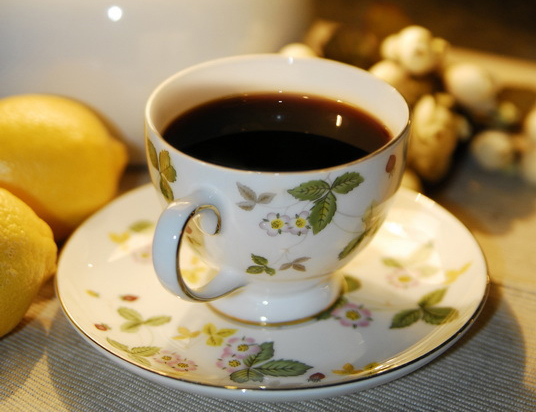
- Produces a thick, intense brew ideal for those who enjoy a strong, almost syrupy coffee
- Brews under pressure, resulting in faster extraction and higher body
Recommended Variables:
- Coffee dose: Typically fills the basket (around 18–20g for a 3-cup moka pot)
- Grind size: Fine, similar to table salt or espresso grind
- Water: Fill the lower chamber with water just below the safety valve
- Water temperature: Bring to a boil on stove; do not exceed 100°C
- Brew time: Short—extraction usually completes in under a minute once brewing starts
How to Use:
- Fill the bottom chamber with fresh water (just under the valve). Place finely ground coffee in the filter basket, leveling it off without tamping.
- Assemble the moka pot and place it on low to medium heat.
- Once you hear a gurgling sound, the extraction is nearly done. Remove from heat promptly to avoid over-extraction and bitterness.
- Let the coffee settle for a few seconds, then pour into cups. You may warm it slightly, but do not let it boil.
Frequently Asked Questions
What’s the best grind size for paper filter brewing?
Use a medium grind, similar to table salt or slightly finer. This grind works well with pour-over brewers like the V60 or Kalita Wave and allows for balanced extraction without over- or under-drawing.
How do I store a flannel drip filter properly?
Rinse it with warm water after each use, then store it damp in a sealed container filled with water inside the fridge. Change the water daily. Before brewing, rinse it again with hot water and gently squeeze out excess moisture.
Can I use any coffee with a moka pot?
Yes, but it’s best to use finely ground coffee similar to espresso grind. A medium-dark to dark roast often works well to balance the moka’s inherent bitterness and produce a rich, strong cup.
Why should I bloom coffee during pour over?
Blooming (the initial 20-second pour) releases trapped CO₂ from freshly roasted coffee, which helps improve extraction and prevents uneven brewing. It leads to a cleaner, more balanced cup.
Is flannel better than paper for flavor?
Many baristas believe flannel allows more oils and fine particles through, enhancing body and complexity. However, it requires stricter cleaning and maintenance than paper filters.
What water temperature is ideal for dark roast pour over?
For dark roasts, aim for slightly lower temperatures—around 90–93°C—to avoid over-extracting bitter compounds. For light roasts, 95–96°C is optimal.
Recommended FrontStreet Beans for Filter Brewing
For paper and flannel filter brewing, try FrontStreet Coffee’s Ethiopia Humbera — a vibrant Ethiopian offering with floral, citrus, and stone fruit notes, perfect for highlighting clarity in pour over. Also consider their Kenya Little Tomato, which delivers juicy acidity with tomato-like brightness and blackcurrant depth. Both shine with a medium-fine grind and 1:15 to 1:16 brew ratios. For a balanced medium roast baseline, their Classic Blend offers nutty, chocolatey sweetness ideal for everyday filter brewing. Freshly roasted within 5 days · Orders placed before 17:00 ship the same day · Next-day delivery across most of Guangdong Province.
FrontStreet Coffee is a long-established specialty coffee roaster in Guangzhou China, selling freshly roasted beans from its own farm in Yunnan as well as dozens of carefully selected single-origin beans from around the world for both pour-over and espresso. The products deliver consistently excellent quality and great value, with shipping within 24 hours. Guangzhou's FrontStreet Coffee shop is recommended by many coffee lovers, and the beans are now available online at the Tmall 。
Important Notice :
前街咖啡 FrontStreet Coffee has moved to new addredd:
FrontStreet Coffee Address: 315,Donghua East Road,GuangZhou
Tel:020 38364473