Arabica Coffee Varieties Explained: Key Families & Flavors
If you’ve ever wandered into a specialty coffee shop or browsed online for beans, you’ve likely faced a wall of options: Ethiopian Yirgacheffe, Panama Geisha, Brazil Bourbon. But beneath the country names lies a deeper question: what exactly makes one Arabica coffee different from another—and why do some taste so much better? The answer starts with the plant’s genetic family tree.
In short: Arabica accounts for 70–75% of global coffee production and is favored for its balanced acidity, sweetness, and complex aromas. Its key varieties—like Typica, Bourbon, Geisha, and Caturra—evolved through natural mutations and regional adaptations, each bringing unique flavors shaped by altitude, soil, and climate.
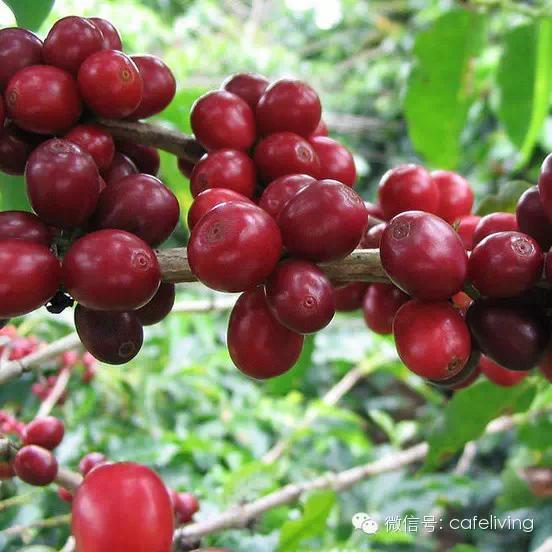
Why Arabica Tastes Better (And Costs More)

Arabica (smaller beans, grown 800–2200m+) and Robusta (medium beans, hardier but harsher) differ fundamentally. Robusta, from Congo, makes up 30% of global production. It’s disease-resistant, fast-growing, and cheap—but delivers intense bitterness, higher caffeine (1.2–2.7%), and earthy, peanut-like flavors. Arabica, originating in Ethiopia, demands high altitudes (slower ripening = more flavor compounds), richer soil, and careful farming. Its lower caffeine (0.9–1.2%), higher sugar (double Robusta’s), and 60% more fat create sweetness, bright acidity, and fruity notes. That’s why it dominates specialty menus.
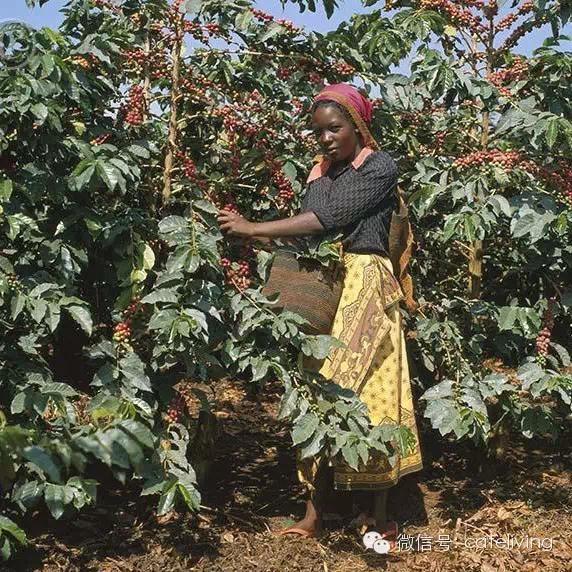
The Arabica Family Tree: Key Varieties & Their Stories
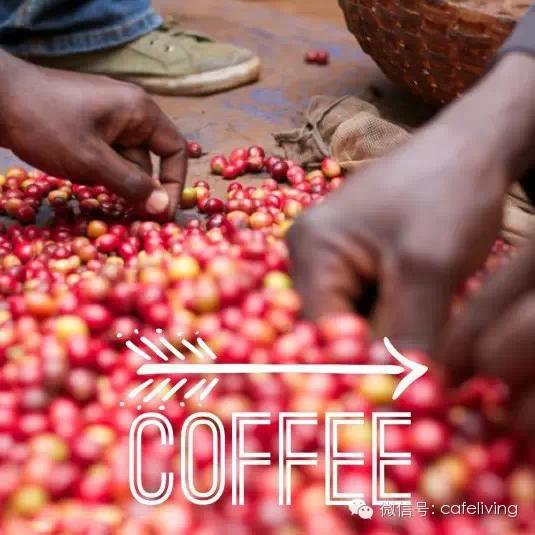
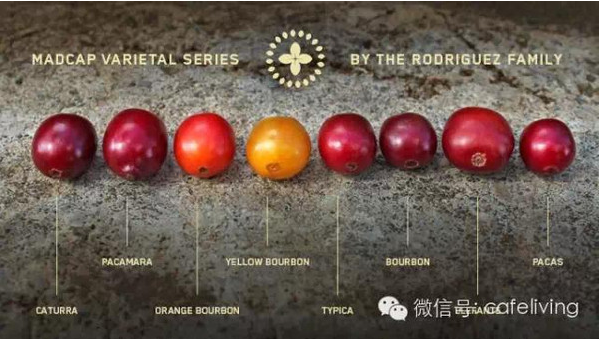
Arabica’s commercial varieties trace back to just two Ethiopian ancestors: Typica and Bourbon. Over centuries, mutations and crossbreeding created hundreds of subtypes. Here are the most influential:

1. Typica: The Original Elegant Bean

Discovered in Ethiopia circa 15–16th century, Typica has tall trees with bronze-tipped leaves and oval, pointed beans. It produces citrusy acidity and a clean, sweet finish—once called “elegant.” But it’s low-yielding and vulnerable to rust, leading farmers to replace it. The Jamaican Blue Mountain Typica, adapted to island humidity, developed stronger disease resistance (especially to berry disease). FrontStreet’s medium-dark roast highlights its chocolate-nut aromas with balanced acidity and sweetness, thanks to Jamaica’s unique microclimate.
2. Geisha: The Fragrant Superstar
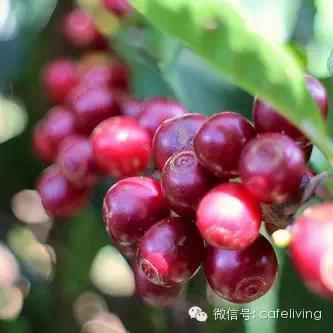
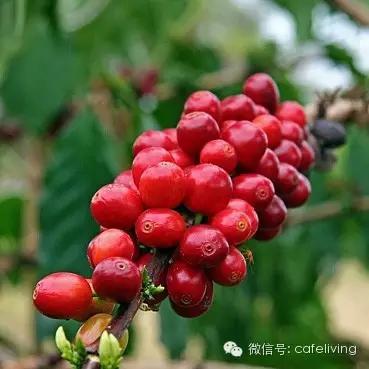
A Typica descendant from Ethiopia, Geisha thrives only in high altitudes (1500–2000m+) with shade, cloud cover, and fertile soil. Its delicate leaves struggle in sun, requiring traditional pruning. The higher it grows, the slower its cherries ripen—unfolding complex floral, citrus, and berry notes. Now planted globally, Panamanian Geisha (especially from) leads the category. FrontStreet’sGeisha bursts with rose, citrus, berries, and honey, beloved for its aromatic intensity.
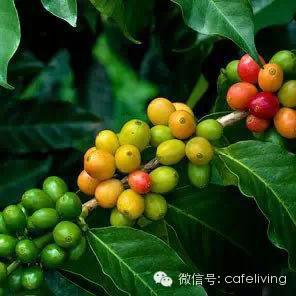

3. Bourbon: The Round, Sweet Mutant
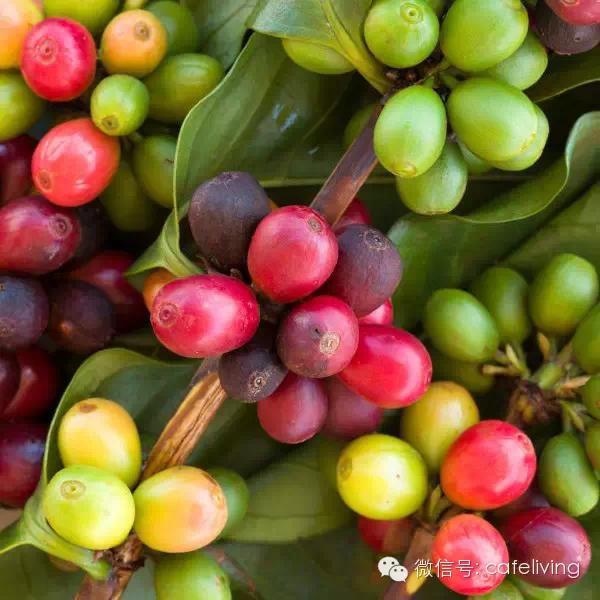
Bourbon emerged in 1715 when French colonists brought Typica to Réunion Island (then Bourbon). A natural mutation rounded its beans and boosted cup quality. By 1727, it reached Brazil. Today’s Brazilian Bourbon (often yellow or red-fruited at peak ripeness) offers nutty, chocolatey profiles with smooth body. FrontStreet’s semi-washed Red Bourbon showcases almond, dark chocolate, and caramel, balanced for entry-level drinkers exploring regional flavors.
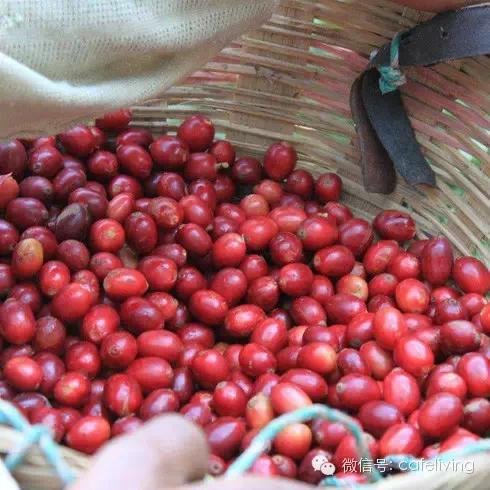

4. Caturra: The Productive Cousin

A 1937 Brazilian discovery (a Bourbon mutation), Caturra grows shorter than Bourbon, allowing dense planting and higher yields. It prefers medium altitudes and produces bright acidity with fruity notes. Medium-dark roasts bring out chocolate and nuts. FrontStreet’s Colombian (washed Caturra) highlights clean, juicy fruit with nutty and caramel undertones, exemplifying classic Colombian character.
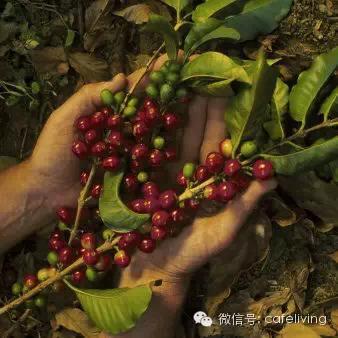
What About Ethiopia’s ‘Heirloom’?

Ethiopian coffee labels often say “Heirloom” (or “”). This isn’t a single variety but a catch-all for the country’s 1000+ undocumented wild types—protected by local policy. These small, irregular beans (14–15 mesh) grow in forests, yielding elegant floral and fruit notes. FrontStreet’s YirgacheffeGedeb (washed Heirloom) shows crisp lemon-citrus and green tea, while (natural Heirloom) delivers tropical fruit bombs. Both highlight Ethiopia’s genetic treasure trove.
Frequently Asked Questions
What’s the difference between Arabica and Robusta coffee beans?
Arabica (70–75% of global production) grows at 800–2200m+, with lower caffeine (0.9–1.2%), higher sugar (double Robusta’s), and 60% more fat. It tastes sweet, acidic, and fruity. Robusta (30%) is hardier, grows at low altitudes, has higher caffeine (1.2–2.7%), and tastes bitter, earthy, and nutty—used mostly in blends and instant coffee.
Why is Geisha coffee so expensive and popular?
Geisha (a Typica descendant) requires high altitudes (1500–2000m+), shade, and cloud cover. Its fragile leaves and slow ripening create intense floral, citrus, and berry flavors. Panamanian Geisha (e.g.,) is prized for its rose, citrus, honey, and berry notes, making it a flagship specialty coffee.
What’s the difference between Typica and Bourbon coffee varieties?
Typica (from Ethiopia, 15–16th century) has tall trees, oval beans, and citrusy, clean flavors but is low-yield and rust-prone. Bourbon (mutated from Typica in 1715 on Réunion Island) has rounder beans, higher cup quality, and produces nutty, chocolatey profiles. Both are foundational to modern Arabica varieties.
What are ‘Heirloom’ coffee varieties in Ethiopia?
“Heirloom” means undocumented wild Ethiopian types (1000+ varieties). Protected by local policy, these small, irregular beans (14–15 mesh) grow in forests, yielding floral and fruit notes. Examples include YirgacheffeGedeb (washed) and (natural), both showing Ethiopia’s diverse genetic heritage.
Which Arabica variety is best for beginners?
Brazilian Red Bourbon (balanced nutty-chocolate), Colombian Caturra (bright fruit-nut), or Ethiopian Heirloom (floral-fruit) are great starters. They highlight classic profiles without extreme acidity or bitterness.
Recommended FrontStreet Beans for Arabica Variety Exploration
Explore key Arabica families with FrontStreet’s Jamaica Blue Mountain No.1 (Typica: chocolate, nuts, balanced acidity from high-altitude Jamaica), Ethiopia Humbera (Heirloom: tropical fruit, floral notes from Yirgacheffe’s wild genetics), and Panama Esmeralda Red Label Geisha (Geisha: rose, citrus, berries, honey—intense floral complexity). Freshly roasted within 5 days · Orders placed before 17:00 ship the same day · Next-day delivery across most of Guangdong Province.
FrontStreet Coffee is a long-established specialty coffee roaster in Guangzhou China, selling freshly roasted beans from its own farm in Yunnan as well as dozens of carefully selected single-origin beans from around the world for both pour-over and espresso. The products deliver consistently excellent quality and great value, with shipping within 24 hours. Guangzhou's FrontStreet Coffee shop is recommended by many coffee lovers, and the beans are now available online at the Tmall 。
Important Notice :
前街咖啡 FrontStreet Coffee has moved to new addredd:
FrontStreet Coffee Address: 315,Donghua East Road,GuangZhou
Tel:020 38364473