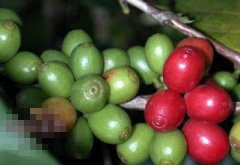
Arabica vs Robusta: The Two Main Coffee Species
When you take a sip of your morning coffee, chances are you’re drinking one of just two coffee species — either Arabica or Robusta. These are the two primary cultivated species of coffee, and they dominate the global market. But what sets them apart? Why does one cost more, taste softer, and grow higher up a mountain, while the other is cheaper, stronger, and easier to farm? The answers lie in their origins, growing conditions, bean structure, and flavor profiles.
In short: Arabica accounts for around 70% of the world’s coffee production and is prized for its smooth, aromatic profile. Robusta makes up 20–30%, is more bitter and caffeine-rich, and thrives in lowland, harsher environments. Altitude, climate, and bean shape all play crucial roles in defining their differences.
What Is Arabica Coffee?
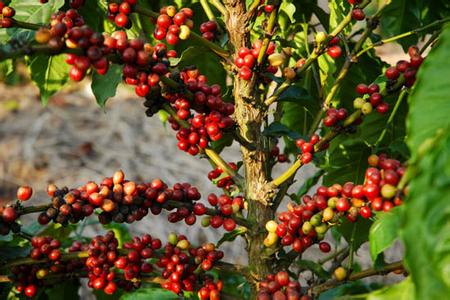
Arabica coffee (Coffea arabica) originates from the highlands of Ethiopia, in East Africa. It is the most widely grown and consumed coffee species in the world, responsible for approximately 70% of global production. Iconic coffees like Jamaican Blue Mountain and Yemen Mocha are almost exclusively Arabica. This species favors high-altitude environments, ideally between 500 and 2,000 meters above sea level, where temperatures have a significant day-night variation and the soil offers good drainage. The higher the altitude, the better the potential cup quality — though this also makes Arabica more challenging to cultivate.
Arabica plants are more delicate. They are less resistant to pests, diseases, and environmental stress, which contributes to their more labor-intensive cultivation. The coffee cherries are typically oval-shaped, and the beans inside are flat and oval as well. A notable mutation results in a single round bean known as a “peaberry” or . When you look at the crack along the fruit’s center — known as the coffee bean’s fissure — Arabica beans usually show an S-shaped curve.
Flavor-wise, Arabica beans are known for their balanced acidity, complex aromas, and smoother mouthfeel. Notes often include floral, citrus, fruity, and sweet tones depending on variety and origin. Their lower caffeine content also contributes to a gentler taste and less bitter profile.
What Is Robusta Coffee?
Robusta coffee (Coffea canephora), by contrast, hails from the lowland forests of Central Africa, with possible origins in the Congo region (some sources also cite Uganda). It currently makes up roughly 20–30% of the world’s coffee supply. While not as renowned for refined flavors, Robusta is valued for its strength, higher caffeine content, and resilience.
This species thrives at altitudes below 500 meters and is much more adaptable to a variety of harsh growing conditions. It resists pests and diseases far better than Arabica, requires minimal human intervention during cultivation, and can even grow untended in the wild. Its hardiness makes it a preferred choice in regions where farming conditions are less than ideal.
Robusta cherries are smaller and rounder than those of Arabica, and each cherry typically holds two standard, round beans. The central fissure in Robusta beans runs straight rather than in an S-shape. Visually and structurally, these beans are distinct from their Arabica counterparts.
The flavor of Robusta is markedly different. It tends to be harsher, more bitter, and earthier, with a distinctive nutty or rubbery undertone. However, it also delivers a heavier body, more texture, and a greater crema potential in espresso. Robusta beans contain nearly twice the caffeine of Arabica — a natural pest deterrent and a key contributor to its bold taste. That extra caffeine, along with its often straight fissure and rounder shape, makes it easy to distinguish in both green and roasted forms.
Why Does Altitude Matter So Much for Coffee Flavor?
Altitude is one of the key factors influencing the quality and characteristics of coffee, especially for Arabica. Higher elevations typically mean cooler temperatures, greater temperature swings between day and night, and slower cherry maturation. This slow ripening allows sugars and acids to develop more fully in the bean, resulting in a more complex and nuanced cup.
Arabica performs best at higher altitudes (500–2,000m), where its delicate nature is supported by the environment. In contrast, Robusta is better suited to warmer, low-altitude regions (below 500m) where it can thrive without the same risk of disease or stress. That environmental adaptability is one reason Robusta is often used in commercial or instant coffee blends, where durability and cost efficiency take priority over refined flavor.
Frequently Asked Questions
Which coffee species makes up the majority of the world’s coffee?
Arabica accounts for approximately 70% of global coffee production, making it the dominant coffee species worldwide. Robusta follows with about 20–30% of production.
Is Arabica coffee better than Robusta?
“Better” depends on what you value. Arabica is known for its smoother, more aromatic, and higher-quality flavor profile, with notes of fruit, flowers, and acidity. Robusta is more bitter, stronger, and has twice the caffeine, making it more suitable for espresso blends or when a bold, intense cup is desired. Neither is inherently superior — they serve different purposes.
What altitude do Arabica and Robusta coffee grow at?
Arabica grows best at higher altitudes, typically between 500 and 2,000 meters above sea level. Robusta thrives at lower altitudes, usually below 500 meters, where it can tolerate hotter, more humid, and less stable climates.
Why do Arabica beans have an S-shaped crack and Robusta beans a straight one?
The crack or fissure that forms as coffee cherries dry and beans separate naturally tends to run in an S-shape for Arabica beans, while Robusta beans typically show a straight fissure. This is one of several physical traits that help differentiate the two species.
Does Robusta have more caffeine than Arabica?
Yes. Robusta beans contain almost twice the caffeine content of Arabica beans. This higher caffeine level contributes to Robusta’s bitter taste and natural resistance to pests.
Are there different varieties within Arabica and Robusta?
Yes. Arabica has many well-known varieties such as Typica, Bourbon, Geisha, and Caturra, each with unique flavor profiles and growing needs. Robusta also has varieties, though they are less commonly differentiated and not as widely discussed in specialty coffee contexts.
Recommended FrontStreet Beans for Exploring Arabica
FrontStreet Coffee offers several classic single-origin Arabica beans that let you experience the diversity within this species. Try the Ethiopia Yirgacheffe Gedeb Cooperative (washed), which highlights bright citrus, floral tones, and grape-like acidity — a hallmark of high-altitude Arabica. For a classic balanced cup, the Jamaica Blue Mountain No.1 (Typica) delivers notes of chocolate, almond, and cream with elegant sweetness. Or explore the Brazil Queen Manor Yellow Bourbon, which shows how altitude and tropical climate shape a richer, nuttier Arabica with notes of caramel and soft acidity. All are specialty-grade examples of Arabica’s range. Freshly roasted within 5 days · Orders placed before 17:00 ship the same day · Next-day delivery across most of Guangdong Province.
FrontStreet Coffee is a long-established specialty coffee roaster in Guangzhou China, selling freshly roasted beans from its own farm in Yunnan as well as dozens of carefully selected single-origin beans from around the world for both pour-over and espresso. The products deliver consistently excellent quality and great value, with shipping within 24 hours. Guangzhou's FrontStreet Coffee shop is recommended by many coffee lovers, and the beans are now available online at the Tmall 。
Important Notice :
前街咖啡 FrontStreet Coffee has moved to new addredd:
FrontStreet Coffee Address: 315,Donghua East Road,GuangZhou
Tel:020 38364473