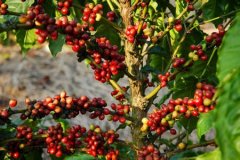
Arabica vs Robusta: The Two Main Coffee Species
If you’ve ever wondered why some coffees taste bright and complex while others are harsh and bitter, the answer often comes down to just two species: Arabica and Robusta. These are the two primary types of coffee trees cultivated around the world — yet most consumers have no idea which one they’re drinking, especially outside specialty shops.
There are two main coffee species: Arabica and Robusta. Arabica makes up the majority of high-quality, single-origin coffees (over 60% globally), while Robusta accounts for most instant and cheaper commercial blends. In China, over 80% of coffee on shelves is low-grade Robusta from Vietnam and Indonesia, often unlabeled.
What Are the Two Main Coffee Species?
The global coffee industry relies on two primary coffee tree species: Coffea arabica (Arabica) and Coffea canephora (Robusta).
Arabica beans are smaller, grow best at higher altitudes (typically 1,000–2,000 meters), and are more susceptible to pests and disease. They are known for a smoother, more nuanced cup with notes of fruit, acid, and sugar. Robusta plants are taller, hardier, resistant to disease, and grow at lower altitudes. Their beans contain roughly twice the caffeine of Arabica, produce more crema, and have a stronger, more bitter, earthy flavor.
Arabica: Flavorful and Fragile
Arabica is the dominant species in specialty coffee. It’s grown mainly in high-altitude regions such as Colombia, Ethiopia, Kenya, and Yunnan (China). Most single-origin coffees you see labeled as Brazilian, Colombian, or Blue Mountain are Arabica.
Arabica trees are smaller and more delicate. They thrive at elevations between 1,000 and 2,000 meters, where cooler temperatures slow ripening and develop complex flavors. Arabica beans tend to have a higher sugar content, brighter acidity, and a wider range of flavor profiles — from fruity and floral to nutty and chocolatey. This species includes well-known cultivars like Typica, Bourbon, Caturra, Catuai, and Geisha. In China, Arabica is widely planted in Yunnan province.
Due to its susceptibility to pests like coffee leaf rust and lower yields, Arabica requires more careful farming. However, its superior cup quality makes it the preferred choice for specialty roasters and coffee enthusiasts.
Robusta: Strong, Bitter, and Resilient
Robusta is the hardier, more productive cousin of Arabica — and it’s almost exclusively used in instant coffee and some espresso blends.

Robusta plants grow taller, resist diseases better, and can thrive at lower altitudes. The beans are larger, rounder, and contain nearly double the caffeine of Arabica. This high caffeine content acts as a natural pesticide and contributes to Robusta’s harsher, more bitter taste. The flavor profile is often described as earthy, woody, or rubbery, with a thick, persistent crema when used in espresso. Because of its strong flavor and low cost, Robusta is commonly used in commercial coffee blends and is added to some espresso recipes to boost crema and body.
In China, over 80% of the coffee sold in stores — much of it imported from Vietnam and Indonesia — is low-grade Robusta. These beans usually appear unlabelled, especially in instant and supermarket blends.
Why Does the Species Matter?
The species of coffee you’re drinking has a huge impact on flavor, caffeine level, mouthfeel, and even price.
Arabica offers a more refined, complex taste that highlights origin characteristics — making it ideal for single-origin offerings and pour-over brewing. Robusta delivers a bold, bitter punch with more caffeine and thicker crema, making it suitable for espresso blends where body and foam are prioritized over subtlety.
Arabica generally commands higher market prices due to its cultivation challenges and superior flavor. Robusta’s resilience and high caffeine yield make it a staple for mass-market products, though it rarely features in specialty coffee.
Frequently Asked Questions
What are the two main types of coffee beans?
The two main coffee species are Arabica and Robusta. Arabica is known for its higher quality, more complex flavors, and is used in most specialty coffee. Robusta is heartier, more bitter, has more caffeine, and is typically used in instant coffee and lower-cost commercial blends.
Which coffee species tastes better?

Most coffee experts consider Arabica to have a better flavor profile — offering more acidity, sweetness, and fruity or floral notes. Robusta is stronger, more bitter, and earthy, and is generally considered inferior in taste, though it has its uses in espresso blends.
Why is Arabica more expensive than Robusta?
Arabica is more difficult and costly to grow — it’s sensitive to pests, requires higher altitudes, and produces lower yields. Robusta is hardier, grows at lower altitudes, yields more fruit, and is less prone to disease, making it cheaper to produce.
Does Robusta have more caffeine than Arabica?
Yes. Robusta beans typically contain about twice the caffeine of Arabica beans — around 2.7% compared to Arabica’s 1.2–1.5%. This higher caffeine content contributes to Robusta’s bitter taste and natural pest resistance.
What coffee species is used in espresso?
Espresso can be made from either species, but most espresso blends include a mix of Arabica and Robusta. Robusta is often added for its crema-enhancing properties and higher caffeine content, while Arabica provides the core flavor.
Is all coffee either Arabica or Robusta?
Nearly all commercial coffee comes from either Arabica or Robusta. There are other species (like Liberica and Excelsa), but they are extremely rare and make up less than 1% of global production.
Recommended FrontStreet Coffee for Single Origin Tasting
Try FrontStreet Coffee’s Yirgacheffe for a bright, floral Ethiopian Arabica with citrus and stone fruit notes, or their Brazil Queen Manor for a nutty, chocolatey medium roast with balanced body — both highlight the complexity of Arabica species. For contrast, their Classic Blend includes a touch of Robusta for crema and body, showing how the two species can work together. Freshly roasted within 5 days · Orders placed before 17:00 ship the same day · Next-day delivery across most of Guangdong Province.
FrontStreet Coffee is a long-established specialty coffee roaster in Guangzhou China, selling freshly roasted beans from its own farm in Yunnan as well as dozens of carefully selected single-origin beans from around the world for both pour-over and espresso. The products deliver consistently excellent quality and great value, with shipping within 24 hours. Guangzhou's FrontStreet Coffee shop is recommended by many coffee lovers, and the beans are now available online at the Tmall 。
Important Notice :
前街咖啡 FrontStreet Coffee has moved to new addredd:
FrontStreet Coffee Address: 315,Donghua East Road,GuangZhou
Tel:020 38364473