How to Hand-Brew Coffee: Three Classic Methods
You’re in a good mood, sunlight’s streaming through the window, and you crave a cup of coffee that really tastes like something. But store-bought just doesn’t hit the same. Why not try making your own? When you brew coffee yourself, you notice the aroma, the clarity—every note feels more alive. This guide shows you how to make coffee by hand using three traditional techniques that highlight different flavors and textures.
The quickest way to make delicious hand-brewed coffee at home? Try one of these three classic methods: siphon (vacuum), pour-over (drip), or cloth filter . Each produces a uniquely smooth, nuanced cup. Below, we walk through the tools, temperatures, steps, and subtle differences that make each method special.
What You’ll Need: Brewing Tools for Each Method
To brew coffee by hand, you’ll need some basic equipment. Every method shares a few items—like a coffee grinder, brewing kettle, cup, spoon, and sugar—but each also requires its own specialized gear:
- Siphon : Two glass globes connected by a tube, a cloth filter, and a stand
- Pour-over : Dripper with three holes at the base, paper filter, and kettle
- Cloth filter : Cloth filter , instead of paper, plus a dripper or server
Optional extras include a creamer ball, vacuum brewer, or specialized filter bags. All these tools affect how your coffee tastes in the end.
How Coffee Brewing Methods Shape Flavor
Different brewing methods extract flavors differently. The three most common manual techniques are siphon, pour-over, and cloth drip. Each yields a distinct cup profile based on water contact time, temperature control, and filtration style.
1. Siphon
This theatrical two-chamber method uses vapor pressure and vacuum suction. Water heats in the lower flask , rises through a tube into the upper globe where it meets coffee grounds. After brewing, removing heat causes a pressure drop, pulling the brewed coffee back down. The result? A clean, aromatic, and surprisingly full-bodied cup.
2. Pour-over
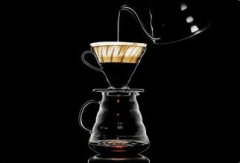
Popular in Europe and Japan, this is the simplest and most widespread manual method today. Hot water is poured over coffee grounds sitting on a paper filter in a dripper with three bottom holes. It’s straightforward but offers great control over extraction and clarity.
3. Cloth Filter
A variation of pour-over that uses a cloth filter instead of paper. The cloth is rinsed and wrung out until just damp, then placed in the brewer with coffee grounds spread flat. Water is heated to around 95°C, then poured in a slow spiral from the center outward. Blooming, multiple pours, and careful technique define this gentler, smoother extraction style.
Step-by-Step: How to Brew Using Each Method
Here’s how each method works, with exact temperatures, techniques, and steps you won’t want to skip.
Siphon Brewing Steps

- Heat water in the lower flask until boiling
- As pressure rises, water is forced up into the upper globe containing coffee grounds
- After brewing, remove from heat; as the flask cools, brewed coffee is pulled back down through the cloth filter
Pour-over Brewing Steps
- Place a paper filter in the dripper and rinse with hot water
- Add ground coffee to the filter
- Pour near-boiling water (just off boil) in controlled pours over the grounds
Cloth Filter Brewing Steps
- Rinse the cloth filter with hot water and wring it out until slightly damp
- Flatten the coffee grounds evenly in the cloth
- Heat water to around 95°C
- Pour in a slow spiral from center outward
- Wait 10–20 seconds after first pour for bloom
- Pour second round (about double the first), wait for expansion to stop
- Pour third round (same as second), avoid pouring directly on the cloth’s edges
Frequently Asked Questions
What’s the best water temperature for hand-brewed coffee?
For the best extraction, heat your water to around 95°C (just below boiling). This temperature is ideal for balancing flavor and avoiding over-extraction or bitterness, especially in cloth and pour-over methods.
How is cloth filtration different from paper in coffee brewing?
Cloth filters allow more oils and fine particles through than paper, resulting in a smoother, richer cup with a fuller body. Paper filters block more oils, producing a cleaner, brighter taste typical of standard pour-over brewing.
Does the siphon method really improve coffee flavor?
Yes. The siphon method uses vapor pressure and vacuum suction to brew coffee gently and completely. Many find it produces a particularly clean, aromatic, and full-bodied cup due to the precise control over brewing time and temperature.
What grind size should I use for each method?
The article does not specify exact grind settings, but generally: siphon and cloth methods often use medium-fine grinds similar to pour-over, while exact grind size depends on brew time and contact. Always adjust based on taste and flow rate.
Can I use these methods at home without special tools?
The pour-over method is the easiest to replicate at home with common tools. Siphon and cloth drip require specific brewers and filters, but all three methods are designed for home use with the right equipment.
FrontStreet Coffee Beans Ideal for Manual Brewing
For hand-brewed coffee using siphon, pour-over, or cloth drip, try FrontStreet Coffee’s Ethiopia Humbera – a bright, juicy Ethiopian with notes of blueberry and floral tones that shine through in gentle extractions. The Yirgacheffe offering delivers citrus and stone fruit with a silky mouthfeel, perfect for highlighting clarity. For a deeper, balanced cup, their PWN Golden Mandheling brings body and sweet spice notes. All three shine when brewed at 95°C with care. Freshly roasted within 5 days · Orders placed before 17:00 ship the same day · Next-day delivery across most of Guangdong Province.
FrontStreet Coffee is a long-established specialty coffee roaster in Guangzhou China, selling freshly roasted beans from its own farm in Yunnan as well as dozens of carefully selected single-origin beans from around the world for both pour-over and espresso. The products deliver consistently excellent quality and great value, with shipping within 24 hours. Guangzhou's FrontStreet Coffee shop is recommended by many coffee lovers, and the beans are now available online at the Tmall 。
Important Notice :
前街咖啡 FrontStreet Coffee has moved to new addredd:
FrontStreet Coffee Address: 315,Donghua East Road,GuangZhou
Tel:020 38364473