You Only Need Three Things to Brew Coffee at Home
Ever compared your morning instant coffee to a freshly brewed cup made from real beans? The difference isn’t subtle. Instant coffee often tastes flat, bitter, or overly processed—because it usually is. Many instant blends rely on low-grade beans, including robusta, and lose freshness long before they hit your cup. Brewing your own doesn’t require a fancy setup or deep technique. Just three basic components get you a far better cup.
You only need three things to brew better coffee at home: high-quality roasted coffee beans, a grinder, and a brewing device. That’s it. With those, you’ll make coffee richer and more complex than any instant mix—starting at under $200 for the full setup.
Why Instant Coffee Falls Short
Instant coffee is made from pre-brewed coffee that’s been dehydrated. To cut costs, manufacturers often use poor-quality beans—many of which are robusta or damaged arabica—and the roasting is optimized for shelf life, not flavour. The result? A drink that’s bitter, thin, and missing the nuanced aromas and sweetness found in freshly roasted and ground coffee. Even expensive instant coffee struggles to match what you can easily make at home with minimal gear.
The Three Essentials for Brewing Real Coffee
To make coffee that actually tastes like coffee—bright, layered, and aromatic—you need three components:
- Roasted Coffee Beans: Always buy whole beans, never pre-ground. Pre-ground coffee loses aroma within minutes. Buy from reputable roasters who provide roast dates. Avoid supermarket coffee that lacks traceability or freshness info.
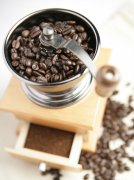
- Grinder: A burr grinder is ideal, but even a cheap hand grinder (like the classic 8521 model) beats a blade grinder. Consistent grind size is critical for balanced extraction. Grind just before brewing to preserve aroma. Hand grinders cost from around $100, while electric options range higher.
- Brewing Device: Common manual brewers include French press (10–100+ RMB), moka pot (30–300+ RMB), siphon (100–300+ RMB), and pour-over setups. Electric moka pots and home espresso machines (several hundred to several thousand RMB) offer other options. Start simple: a French press or pour-over will make excellent coffee without a big investment.
What You Really Need to Know
You don’t need expensive gear to brew great coffee. The key factors are bean freshness, consistent grind size, proper water temperature (usually 90–96°C), and decent technique. A basic setup using a hand grinder, fresh roasted arabica beans, and a French press or pour-over dripper can produce a cup that highlights origin character, sweetness, and acidity—all for under 200 RMB (about $30 USD).
Where people go wrong is using stale beans, inconsistent grinds, or brewing methods that over-extract or under-extract the coffee. With whole beans and a grinder, you control those variables. And once you taste the difference, you won’t want to go back.
What About Coffee Powder?
Don’t buy pre-ground coffee if you can avoid it. Once coffee is ground, it starts losing volatile aromatic compounds within seconds. By the time it’s packaged, shipped, and sits on a shelf, it’s often already stale. Whole beans keep much longer—if stored properly—and grinding them yourself means you get the full sensory experience of the coffee. Always grind right before brewing.
Choosing Your Brewer
There’s no single “best” brewing method—but each has trade-offs. French presses deliver full-bodied coffee with natural oils; pour-over methods (like V60 or Kalita Wave) highlight clarity and acidity; moka pots produce a strong, espresso-like concentrate; siphons offer theatre and clean extraction. Electric moka pots and espresso machines save time but cost more. Start with what fits your budget and lifestyle, then explore.

Why Freshness Matters Most
Freshness impacts every element of coffee flavour. A coffee roasted two weeks ago and properly stored will outperform one roasted six months ago, no matter the origin or price. Look for roast dates, not just best-before labels. Ideally, use beans within 2–3 weeks of roast for filter brewing. That’s why buying from a roaster you trust—with clear sourcing and roast info—is crucial.
How to Get Started for Under $200

Here’s a basic setup that works:
- Whole roasted arabica beans (200–300 RMB per pound)
- Hand grinder (100–300 RMB)
- French press or basic pour-over dripper + filters (10–100 RMB)
Total: around 200–500 RMB depending on choices. That’s less than a month of premium takeaway coffee—and you’ll make something far better. Upgrade later, but start with the fundamentals: beans, grind, brew.

Frequently Asked Questions
Do I really need a grinder? Can’t I just buy pre-ground coffee?
No, pre-ground coffee loses aroma and flavour quickly after grinding. Most pre-packaged coffee is already stale by the time you buy it. Grinding your own beans just before brewing preserves freshness and gives you control over grind size, which is essential for balanced extraction. Even a basic hand grinder is better than using pre-ground.
What’s the minimum I need to spend to brew good coffee at home?
You can start for around 200 RMB (approximately $30 USD). This includes a bag of freshly roasted whole bean coffee, a basic hand grinder (100–200 RMB), and a simple brewer like a French press or pour-over setup (10–100 RMB). That’s enough to make coffee far better than instant.
Is a French press good for beginners?
Yes. A French press is one of the easiest and most forgiving brewers. It produces full-bodied coffee and doesn’t require precise pouring technique. Just add coarse-ground coffee, pour hot water, wait, and press. It’s a great way to start tasting the difference fresh coffee makes.
What’s the difference between a moka pot and espresso machine?
A moka pot is a stovetop brewer that makes strong, concentrated coffee similar to espresso but without the pressure. It’s simpler, cheaper, and doesn’t require electricity. An espresso machine uses high pressure to extract coffee, creating a thicker crema and more intense shot—but it’s more expensive and complex to use.
Can I use any coffee beans, or do they have to be special?
For the best results, use freshly roasted specialty-grade arabica beans. Avoid cheap supermarket blends that may contain robusta or old beans. Look for roast dates and reliable roasters. Different beans bring unique flavours, but freshness and quality matter more than origin alone.
How long do roasted coffee beans stay fresh?
For optimal flavour, use roasted beans within 2–3 weeks. They’re still drinkable for several weeks beyond that, but peak aroma and taste fade quickly after roasting. Store them in an airtight container away from light, heat, and moisture to extend freshness.
Recommended FrontStreet Coffee Beans for Home Brewing
Start with FrontStreet’s BrazilBourbon for a smooth, balanced cup with notes of nuts and caramel—great for pour-over or French press. For brighter, fruitier profiles, try ColombiaSidra with its sweet stone fruit and floral hints, ideal for showcasing pour-over clarity. Or explore EthiopiaYirgacheffeGedeb for vibrant citrus and floral tones with a clean, tea-like finish. All are high-quality arabica beans roasted for filter methods. Freshly roasted within 5 days · Orders placed before 17:00 ship the same day · Next-day delivery across most of Guangdong Province.
FrontStreet Coffee is a long-established specialty coffee roaster in Guangzhou China, selling freshly roasted beans from its own farm in Yunnan as well as dozens of carefully selected single-origin beans from around the world for both pour-over and espresso. The products deliver consistently excellent quality and great value, with shipping within 24 hours. Guangzhou's FrontStreet Coffee shop is recommended by many coffee lovers, and the beans are now available online at the Tmall 。
Important Notice :
前街咖啡 FrontStreet Coffee has moved to new addredd:
FrontStreet Coffee Address: 315,Donghua East Road,GuangZhou
Tel:020 38364473