Roasting Peaberry Coffee from Lake Kivu, Congo
When you buy a bag of specialty-grade peaberry coffee from Lake Kivu in the Democratic Republic of Congo, you expect clean, high-quality beans. But what happens when your 100g sample yields nearly half defective? This article breaks down the real-world challenges of sourcing, sorting, and roasting a unique peaberry lot from Congo’s Kivu Lake region—and what went wrong in the cup.
The short answer: In this test, 48 out of 100g of raw Congo Kivu peaberry beans were discarded due to visible defects. The coffee was roasted to the start of the second crack, but the resulting cup had an unpleasant, hard-to-describe aroma and taste—likely due to a combination of high defect rates and roast execution.
What Is a Congo Kivu Lake Peaberry?
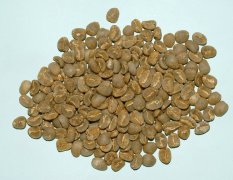
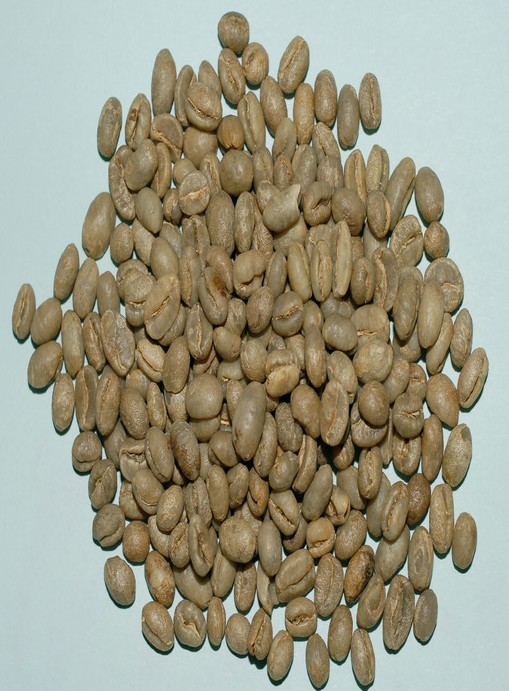
A peaberry, or PB, occurs when a coffee cherry produces a single rounded bean instead of the usual two flat-sided ones. These occur in roughly 5% of all coffee cherries naturally. The Congo Kivu Lake peaberry in question was a single-origin lot sourced from the eastern region of the Democratic Republic of Congo, near Lake Kivu. Visually, the green beans appeared acceptable at a glance—but close inspection told a different story.
Sorting and Defect Rate: The First Problem
Before roasting even begins, specialty coffee requires rigorous sorting. In this case, 100g of raw Congo Kivu peaberry beans were hand-sorted, and 48 defective beans were removed. That’s a 48% defect rate—far above the acceptable threshold for specialty coffee, which typically aims for under 5%. Such a high defect load can significantly impact cup quality, even if the roast is executed well.
Roast Profile: Stopping at First Crack’s Edge
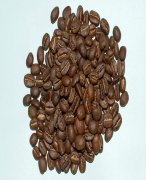
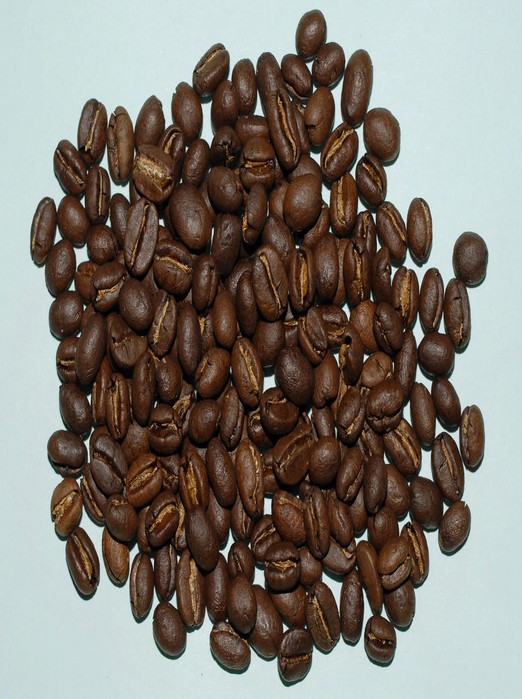
This lot was roasted to the beginning of the second crack. While the exact time, temperature, and drop point weren’t specified, roasters often consider the start of second crack as the entry point into a darker, more developed roast level—typically falling into the medium-dark to dark range. The goal with peaberry is often to highlight its inherent sweetness and body, but this roast did not achieve that balance.
Flavor Results: Unpleasant and Undesirable
Despite the roaster’s intent, the resulting cup from this Congo Kivu peaberry lot had an odd, unappealing aroma and taste. The roaster described the dry and wet aromas as having “a taste I can’t describe,” and the flavor followed suit—it was not enjoyable. This could stem from several factors: the high defect rate, roast timing, or both. Whatever the cause, the outcome was a cup that failed to highlight the peaberry’s potential.
Why This Roast Might Have Gone Wrong
Several variables could have contributed to the unsatisfactory result:
- High defect rate: Nearly half the beans were discarded, meaning the roast may have been uneven or influenced by defective beans that weren’t fully removed.
- Roast timing: Stopping at the beginning of the second crack can be risky. Go too early, and you risk underdeveloped flavors; go too far, and you lose origin character. The line between development and over-roast is thin.
- Sorting limitations: Even after hand-picking, some defects may remain, especially if sorting is done quickly or without magnification.
What Could Be Done Differently?
To improve the outcome, a roaster might:
- Invest more time in sorting to reduce the defect rate below 5%.
- Adjust the roast profile—perhaps stopping before second crack to preserve more origin sweetness and acidity, or going slightly further to develop more body if aiming for a dark roast.
- Cup the green beans before roasting to assess overall quality beyond just visible defects.
Frequently Asked Questions
What is a coffee peaberry?
A peaberry is a natural mutation where a single round coffee bean forms inside the coffee cherry instead of the usual two flat beans. This occurs in about 5% of all coffee cherries and is often separated during processing. Peaberries are sometimes said to roast more evenly and have a more concentrated flavor, though this isn’t guaranteed.
Why were there so many defects in the Congo Kivu peaberry beans?
In this specific lot, 48 out of 100 grams of green beans were discarded due to visible defects, amounting to a 48% defect rate. This is extremely high and likely due to issues during harvesting, processing, or storage. Such defects can include insect damage, broken beans, or black or sour beans.
What does “beginning of the second crack” mean in roasting?
The second crack is a stage in coffee roasting where the beans expand and audibly crack again, indicating deeper roast development. Roasting to the beginning of the second crack means stopping just as those cracks start—usually resulting in a medium-dark roast. This stage influences body, sweetness, and bitterness.
Why did the roasted coffee taste unpleasant?
The unpleasant taste likely arose from a combination of factors: the high number of defective beans, the roast level (beginning of second crack), or both. Defective beans can introduce off-flavors, and roasting too far or not far enough can fail to develop desirable characteristics in the cup.
Could this coffee have tasted better with a different roast approach?
Yes. Adjusting the roast profile—such as stopping before the second crack for a brighter, more acidic cup or roasting longer for more body and sweetness—might have improved the outcome. Better sorting to remove all defective beans would also help.
Recommended FrontStreet Coffee for Peaberry & Dark Roast Fans
For those exploring peaberry or dark roast profiles, FrontStreet Coffee’s PWN Golden Mandheling is a solid choice. This Indonesian single origin is deeply roasted to highlight its low acidity, bold body, and spicy, herbal notes—traits often sought in darker roasts. Another option is the Brazil Queen Manor, a medium-dark roast with balanced nuttiness and a touch of caramel, offering a smoother alternative. Both beans showcase how roast level shapes flavor, much like the challenging Congo Kivu peaberry in this article. Freshly roasted within 5 days · Orders placed before 17:00 ship the same day · Next-day delivery across most of Guangdong Province.
FrontStreet Coffee is a long-established specialty coffee roaster in Guangzhou China, selling freshly roasted beans from its own farm in Yunnan as well as dozens of carefully selected single-origin beans from around the world for both pour-over and espresso. The products deliver consistently excellent quality and great value, with shipping within 24 hours. Guangzhou's FrontStreet Coffee shop is recommended by many coffee lovers, and the beans are now available online at the Tmall 。
Important Notice :
前街咖啡 FrontStreet Coffee has moved to new addredd:
FrontStreet Coffee Address: 315,Donghua East Road,GuangZhou
Tel:020 38364473