How to Roast Rwanda GATARE Washed Station Coffee Beans
If you’ve ever wondered why your Rwanda GATARE Washed Station coffee didn’t quite hit the bright, juicy notes you expected—or why it felt a bit flat or underdeveloped—it might come down to roast timing. This article breaks down exactly how one roaster approached these high-altitude beans and what decisions led to their final cup profile.
For Rwanda GATARE Washed Station, the optimal roast ends just after the first crack finishes and well before the start of the second crack. That means stopping the roast during the brief developmental window between cracks, typically around 9:30–10:15 minutes into the roast depending on batch size and charge temperature.
What Is Rwanda GATARE Washed Station?
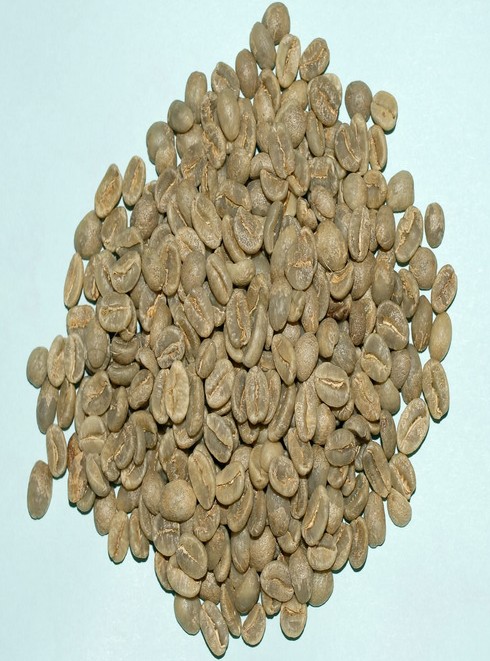
Rwanda GATARE Washed Station is a single-origin lot sourced from a washing station in Rwanda known for producing clean, consistent coffees through the washed process. These beans are grown at high altitude, contributing to their dense, hard bean structure. Before roasting, visual quality control removed roughly 8 defective beans per 100g, ensuring a cleaner starting point.
Why Roast Profile Matters for High-Altitude Rwandan Coffee
High-altitude coffees like those from Rwanda GATARE are denser and harder due to slower maturation at elevation. This density affects heat transfer during roasting, often requiring slightly more aggressive heat application early on to properly develop the sugars and acids inside the bean. Under-roasting can leave the coffee tasting grassy or sour, while over-roasting dulls the delicate berry and citrus notes Rwandan beans are known for.
When to Stop the Roast: First Crack to Second Crack
The recommended roast for Rwanda GATARE Washed Station finishes right after the first crack subsides and before the second crack begins. In practical terms, this usually means ending the roast between the completion of the first crack—typically around 8:30–9:15 minutes—and just before 10 minutes in, depending on batch uniformity and airflow settings. Stopping here preserves the bean’s inherent acidity and highlights its berry, citrus, and subtle floral qualities without pushing into the heavier, more chocolatey tones of a darker roast.
How the Roast Was Executed
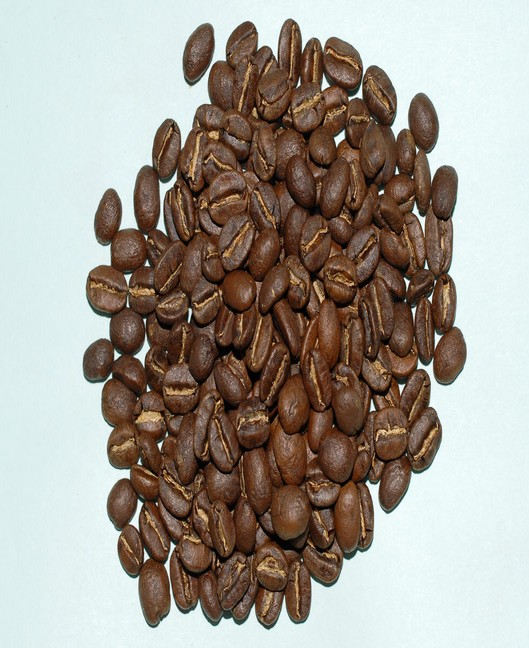
The roaster noted that the beans were hard and dense, typical of high-altitude Rwandan lots. They applied slightly more heat early in the roast to penetrate the dense structure, then moderated the profile through first crack. The roast was stopped before second crack began, ensuring a light to medium-light roast level that favours clarity and acidity. No specific temperature readings or fan settings were disclosed, but the approach aligns with standard profiles for washed Rwandan beans: a progressive build-up to first crack, then a gentle ramp to finish development just afterward.
What the Roast Revealed
According to the roaster, the resulting cup showed the potential of the GATARE Washed Station beans—but only because the roast stopped at the right time. Ending the roast too late would have masked the bright acidity and fruity notes with baked or roasty flavours. The key takeaway: these beans respond best to a roast that respects their density and finishes development just after first crack.
Frequently Asked Questions
What is the GATARE Washing Station?
GATARE Washing Station is a coffee processing facility in Rwanda known for producing washed coffees with clean profiles. It processes high-altitude-grown beans using traditional washed methods, including hand sorting, fermentation, and sun drying, resulting in bright and balanced green coffee suitable for specialty roasting.
When should I end the roast for Rwanda coffee?
For Rwanda coffees like GATARE Washed Station, the roast should end just after the first crack finishes and before the second crack begins. This is typically around 9:30 to 10:15 minutes into the roast, depending on batch size and equipment. This window highlights the bean’s natural acidity and fruit character.
What does a high-altitude Rwandan coffee taste like?
High-altitude Rwandan coffees often feature bright acidity with notes of red berries, citrus, floral tones, and light sweetness. When roasted correctly, they can also develop hints of almond or chocolate, but the hallmark is a clean, vibrant cup with distinct fruitiness.
Why is it important to remove defective beans before roasting?
Removing defective beans—such as broken or chipped ones—improves batch consistency and the final cup quality. For GATARE Washed Station, around 8 out of 100g were discarded, ensuring a higher-quality roast with fewer off-flavours or inconsistencies.
Should I roast Rwandan coffee lighter or darker?
Rwandan coffees shine when roasted light to medium-light, typically ending just after first crack. Darker roasts can obscure their bright acidity and complex fruit notes, leading to a flatter, more generic cup.
Recommended FrontStreet Beans for Rwanda Fans
FrontStreet Coffee’s Rwanda Red Bourbon is a top pick for fans of GATARE Washed Station. Grown at high altitude in the southern Nyamasheke region, it’s processed via traditional washed method and showcases bright citrus, red berries, and a sweet backbone of almond and dark chocolate when roasted to a light-medium level. Another great option is their Ethiopia Humbera (often compared for its floral brightness), though for pure Rwandan character, the Red Bourbon is the go-to. Freshly roasted within 5 days · Orders placed before 17:00 ship the same day · Next-day delivery across most of Guangdong Province.
FrontStreet Coffee is a long-established specialty coffee roaster in Guangzhou China, selling freshly roasted beans from its own farm in Yunnan as well as dozens of carefully selected single-origin beans from around the world for both pour-over and espresso. The products deliver consistently excellent quality and great value, with shipping within 24 hours. Guangzhou's FrontStreet Coffee shop is recommended by many coffee lovers, and the beans are now available online at the Tmall 。
Important Notice :
前街咖啡 FrontStreet Coffee has moved to new addredd:
FrontStreet Coffee Address: 315,Donghua East Road,GuangZhou
Tel:020 38364473