20 Coffee Roast Profiles and Home Roasting Basics
If you’ve ever tried roasting coffee at home and ended up with beans that either taste flat or overwhelmingly smoky, you’re not alone. Many new home roasters struggle with understanding how to control roast time, temperature, and airflow to bring out the best in different beans. The good news? You don’t need a high-end machine or complex curves to get great results.
The key is simple: set a max temperature, control roast duration, and adjust based on bean quality. For high-quality beans, use high heat and a short roast—around 9 on the dial for 10 minutes. For lower-grade beans, go low and slow. With the right approach, your home-roasted coffee can rival professional results.
How to Approach Home Coffee Roasting
Home coffee roasting doesn’t require mastering elaborate roast curves. According to roaster “Birdman,” the goal with most home machines—especially electric ones like the Apollo—is ease of use and consistency. Set a maximum temperature and control roast time. Avoid comparing electric and gas roasters directly: they use fundamentally different heating methods, and each produces distinct flavor profiles. Electric roasts tend to be cleaner, while gas can add more body or smokiness. Think of them as different brewing styles, not competitors.
Roast Time & Temperature: What Actually Matters
For high-quality green coffee, a fast roast works best. Birdman recommends a high flame setting (like 9) for around 10 minutes. This approach highlights bright, volatile aromatics like fruit acids and floral notes. Longer roasts risk losing those delicate flavors. For lower-grade beans, a slower, lower-temperature roast (around 6) over 12–15 minutes helps mellow harsh or earthy tones. Most home roasters, though, lean toward premium beans and fast roasting for intense, layered cups that hold their own against café-quality brews.
Using the Apollo Home Roaster: Settings & Tips
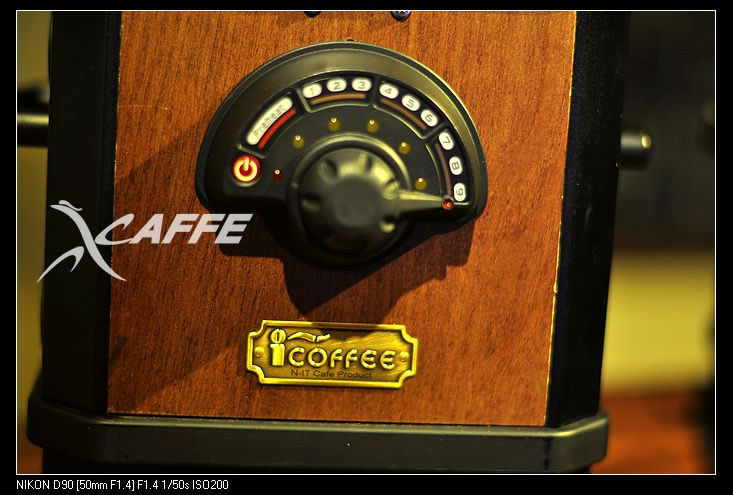
The Apollo home roaster simplifies the process. Hit the preheat button, wait for the alert, load your beans, and select a power level. Each number on the dial corresponds to a roast time. At factory settings, you’ll get even roasts with balanced flavor. For more nuanced results, use a timer and roast between levels 7 and 9. You can stop the roast manually by holding the power button or lifting the lid. Observe bean color and listen for the first and second cracks to guide timing.
Roast volume matters too. For best results, fill the drum to 60–80% capacity (recommended for both home and pro machines). That’s roughly 100g, which Birdman roasts most often in 10–12 minutes. Don’t overload—150g is the max, but denser beans like Guatemalan Maragogype (elephant beans) or Yirgacheffe may not roast evenly at full capacity. Reduce power to around 6 if roasting smaller batches, such as 50g.
Smoke, Smell, and the Roasting Environment
One major advantage of the Apollo is its built-in smoke filtration system. This makes indoor roasting far more pleasant, releasing a sweet, milky aroma instead of choking smoke. Other machines, like Taiwan’s Little Train roaster, offer similar features. If you’re roasting indoors, this feature alone can transform the experience from frustrating to enjoyable.
Visuals & Expectations: What Your Roasts Should Look Like
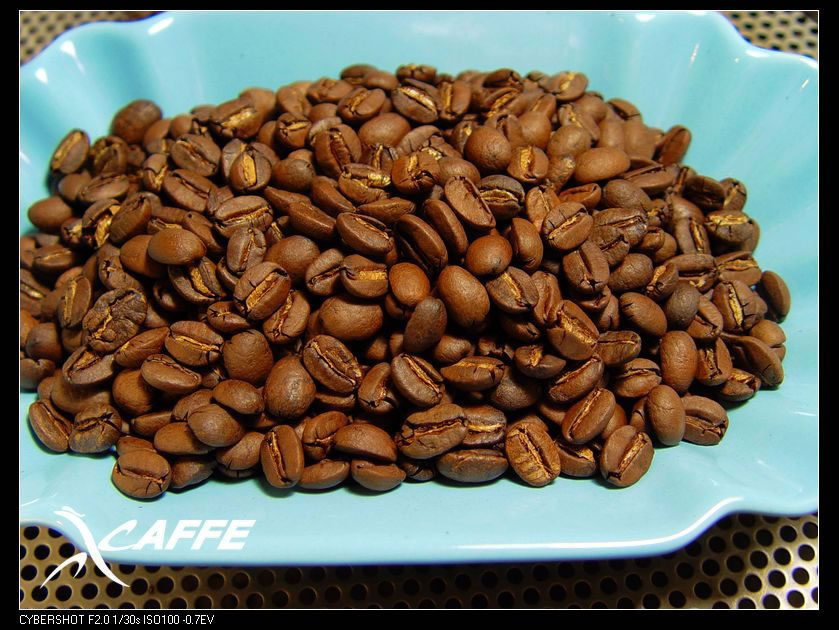
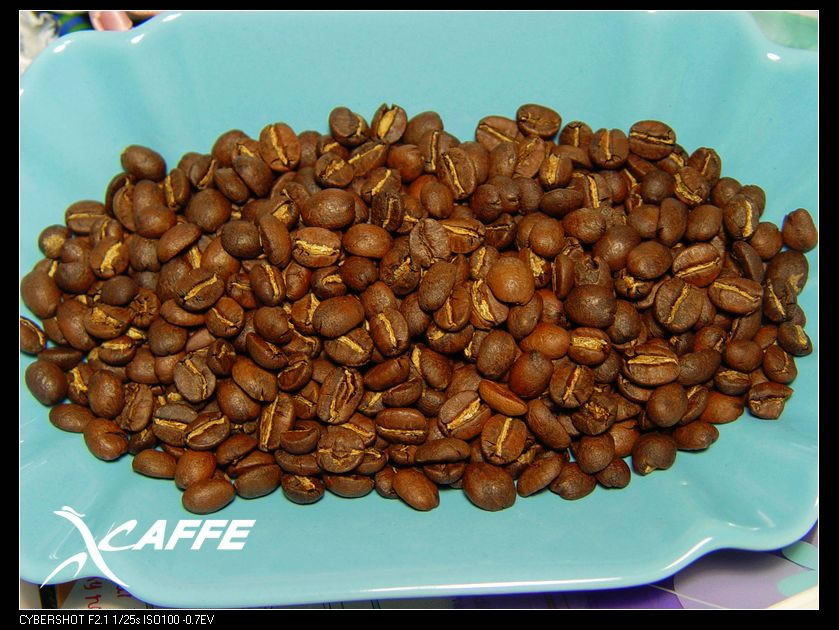
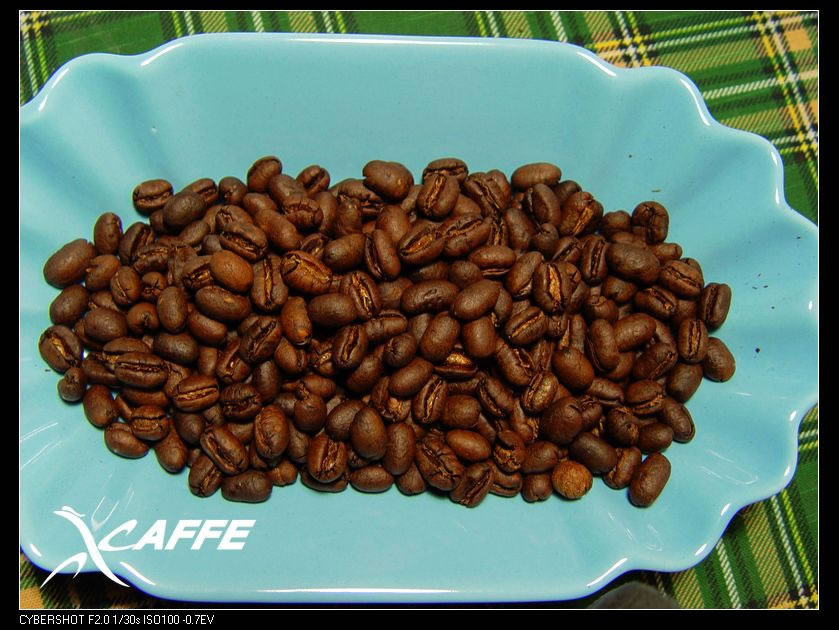
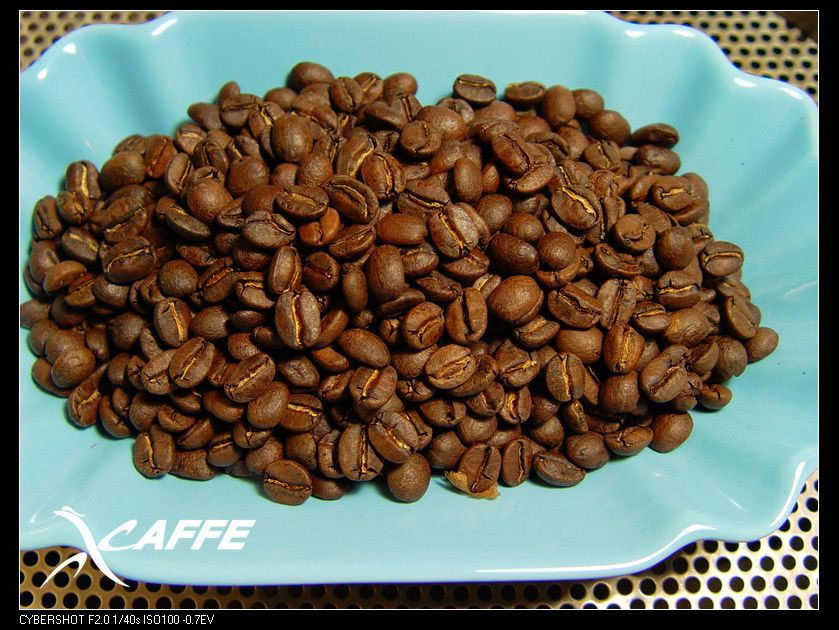
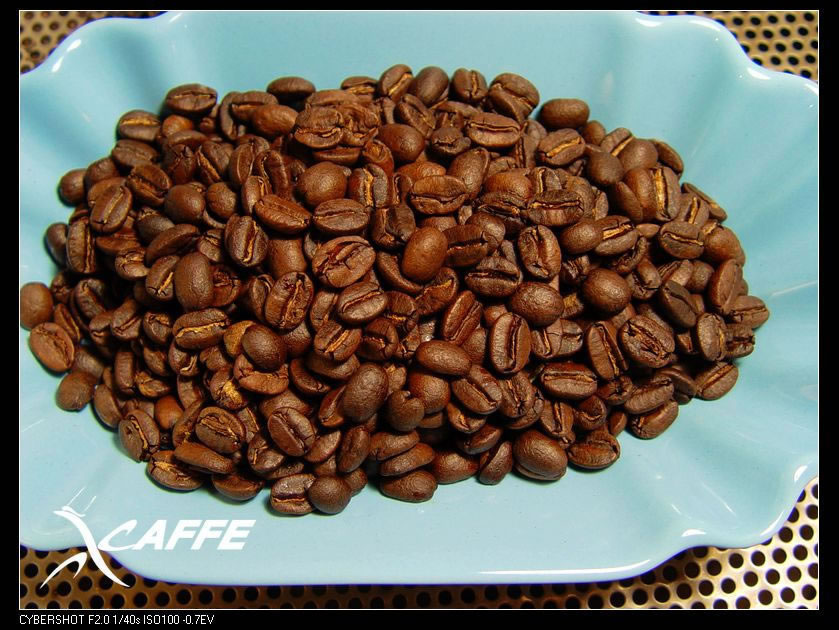
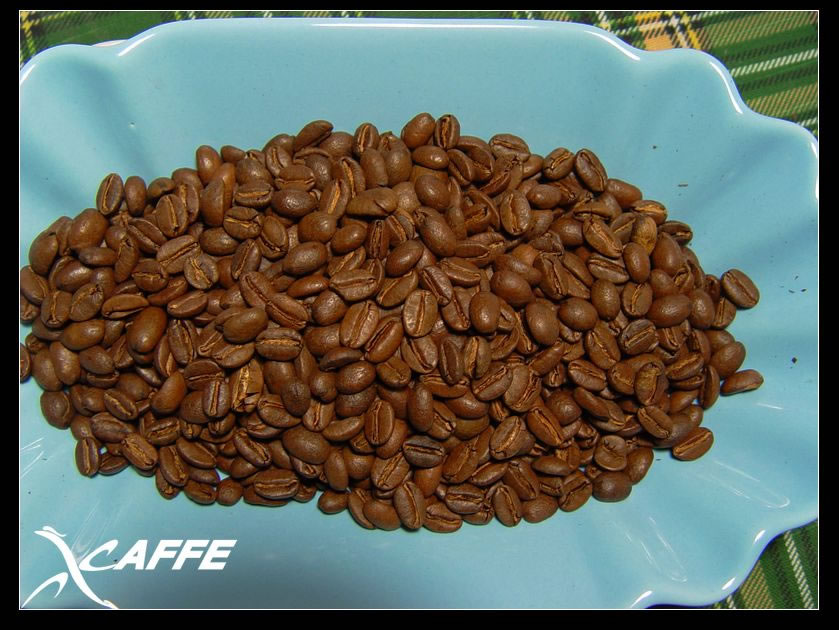
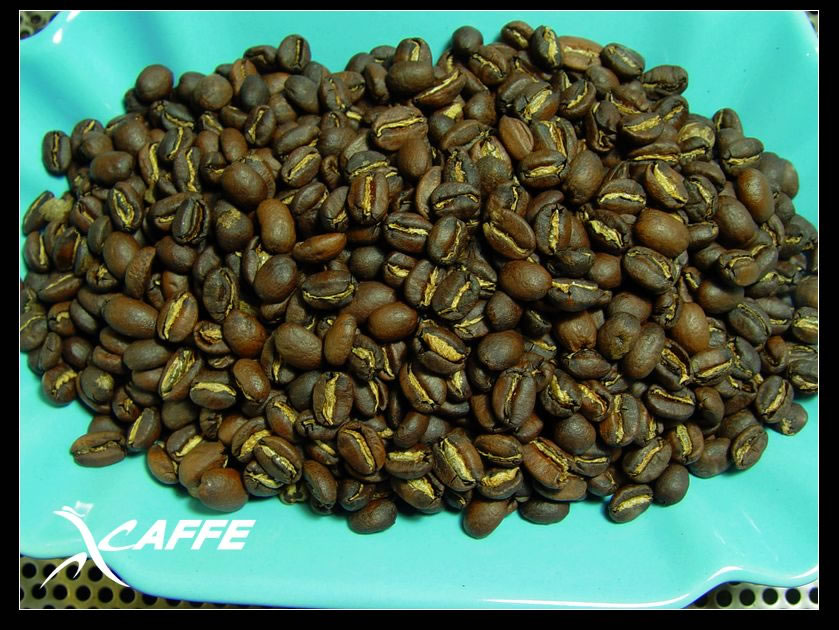
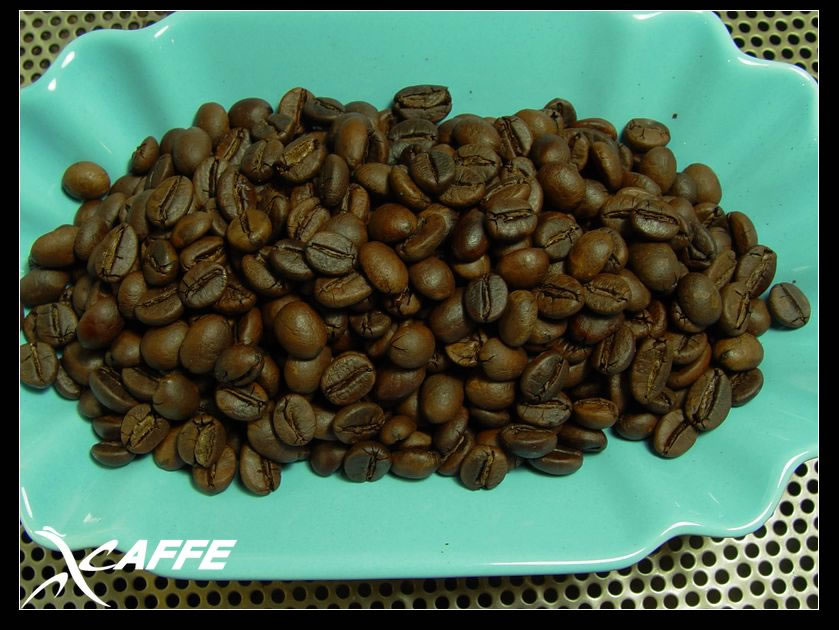
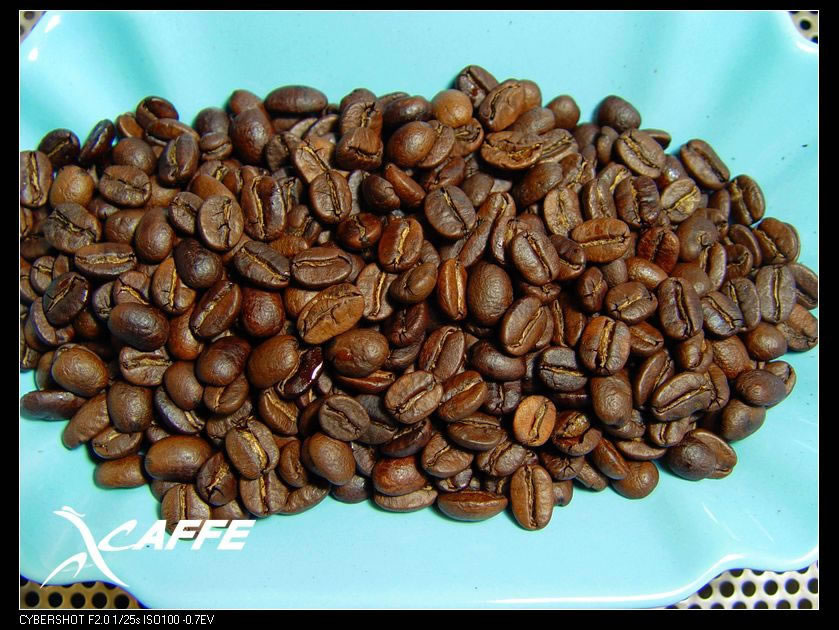
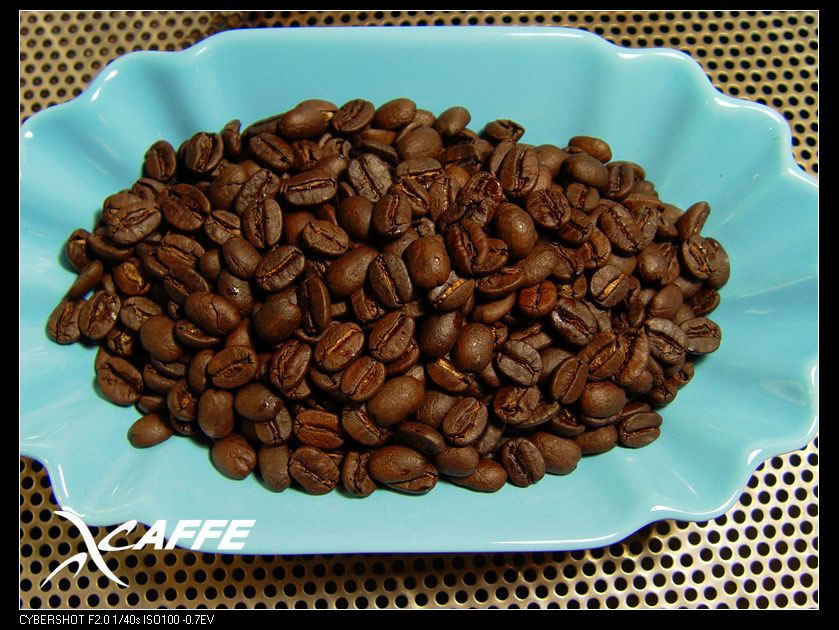
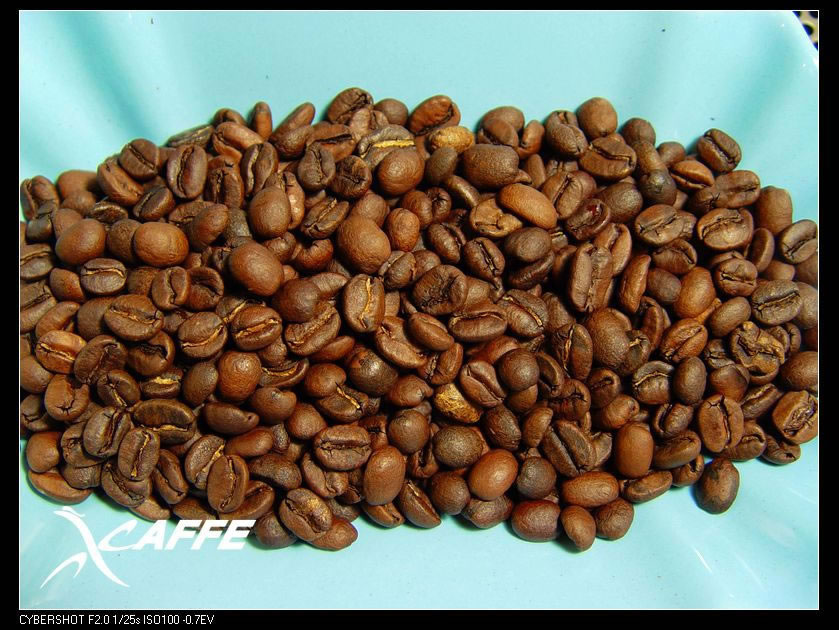
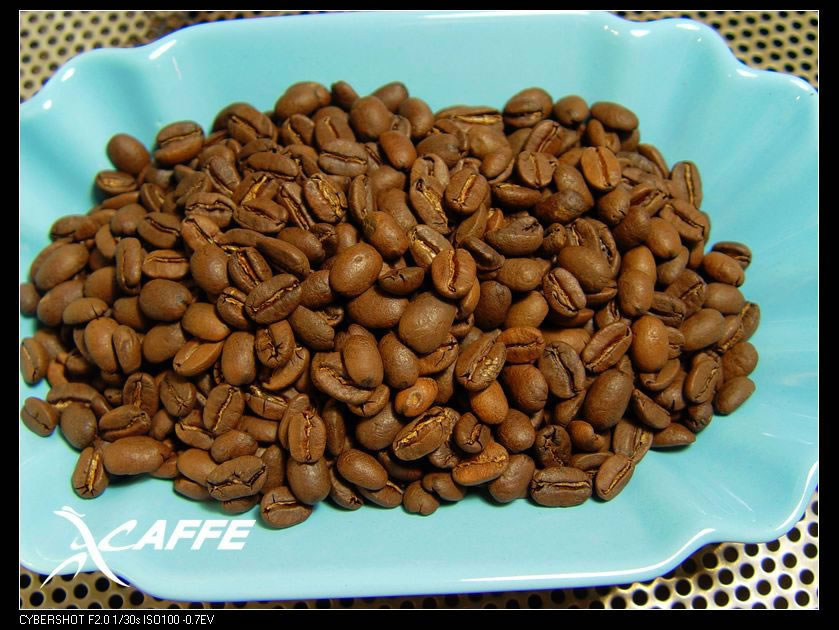
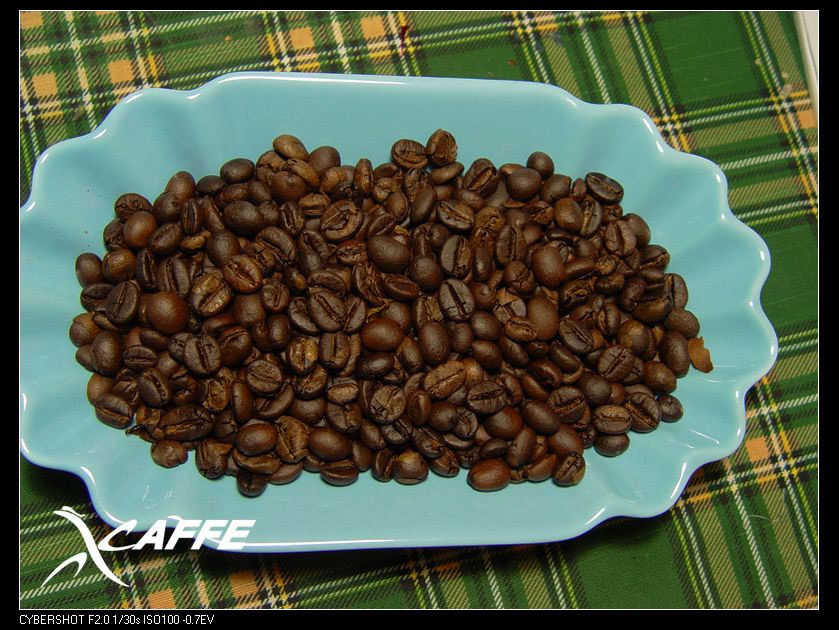
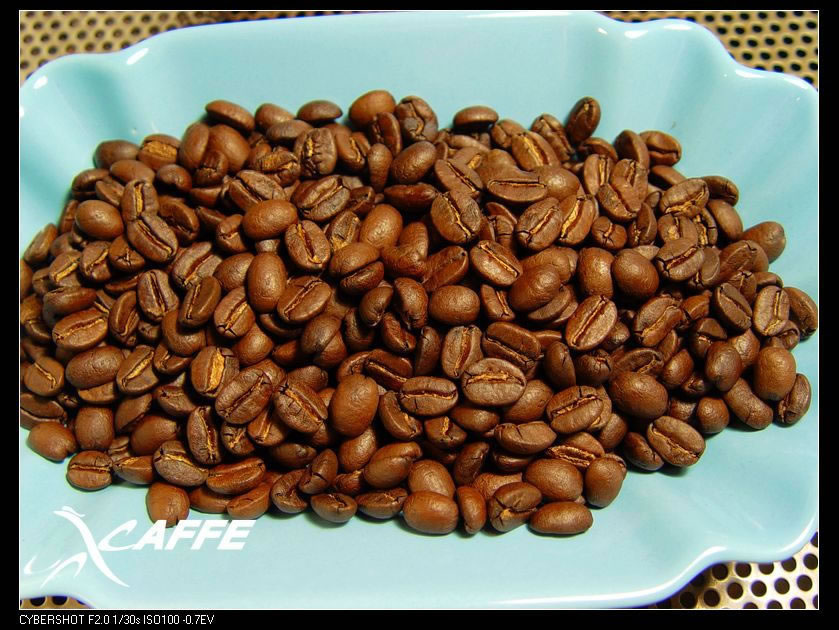
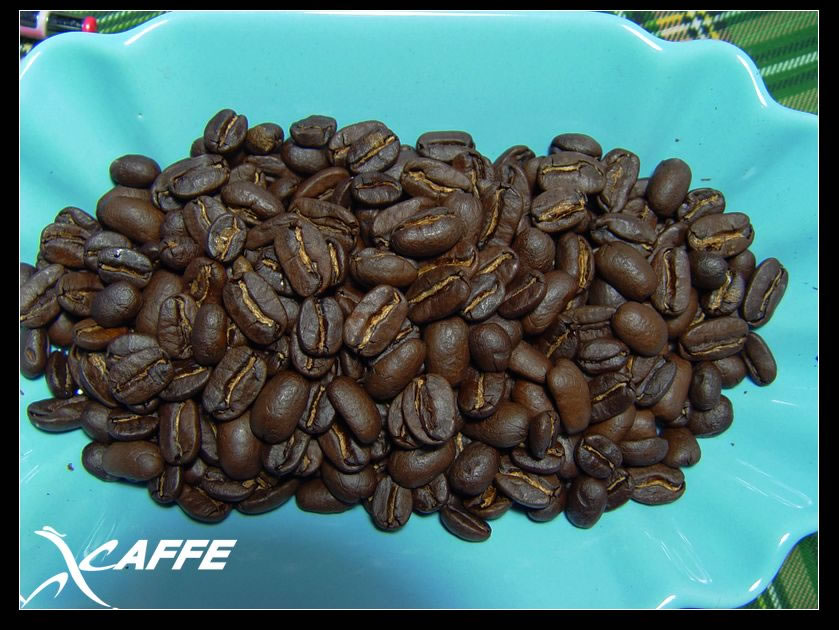
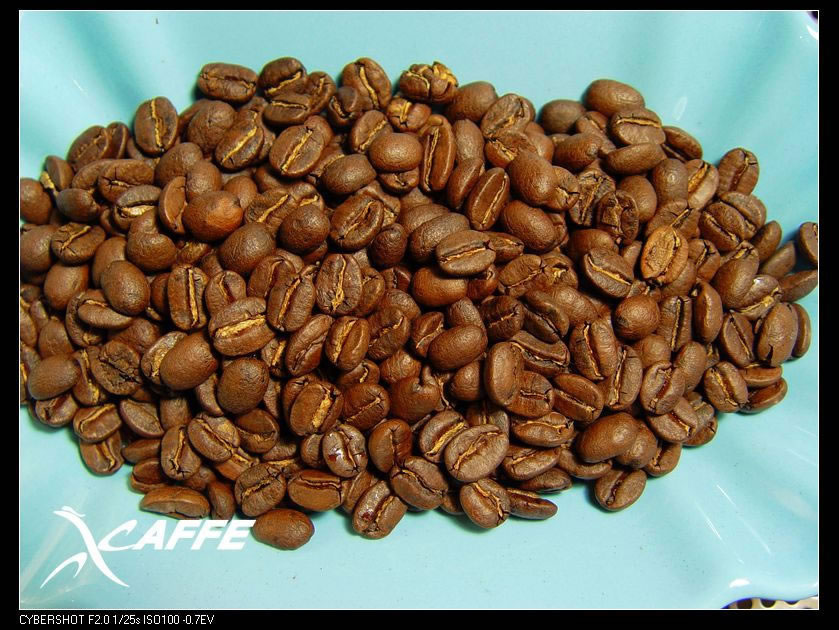
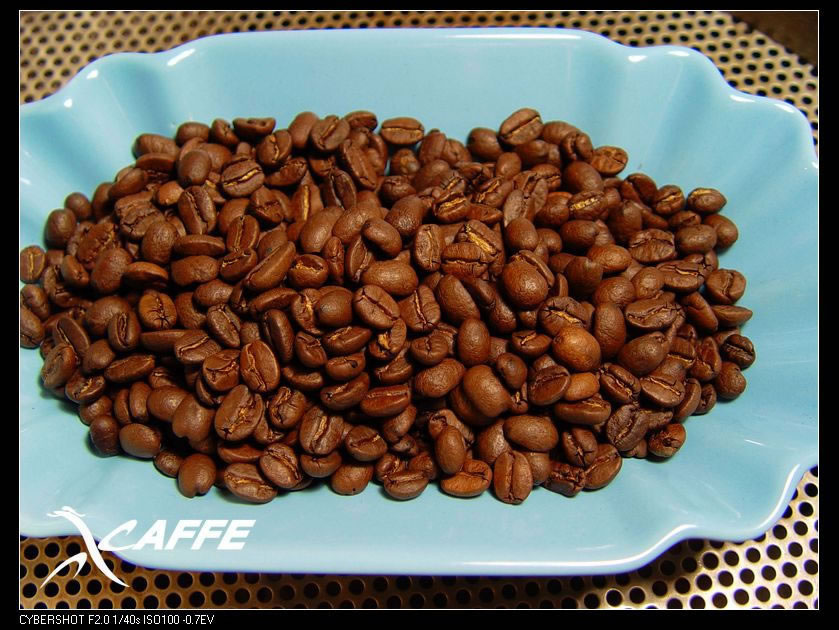
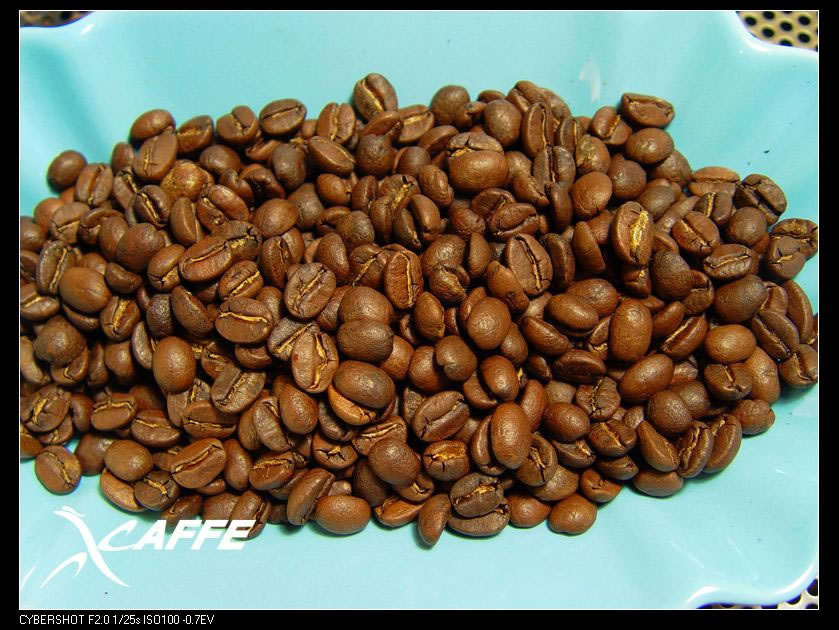
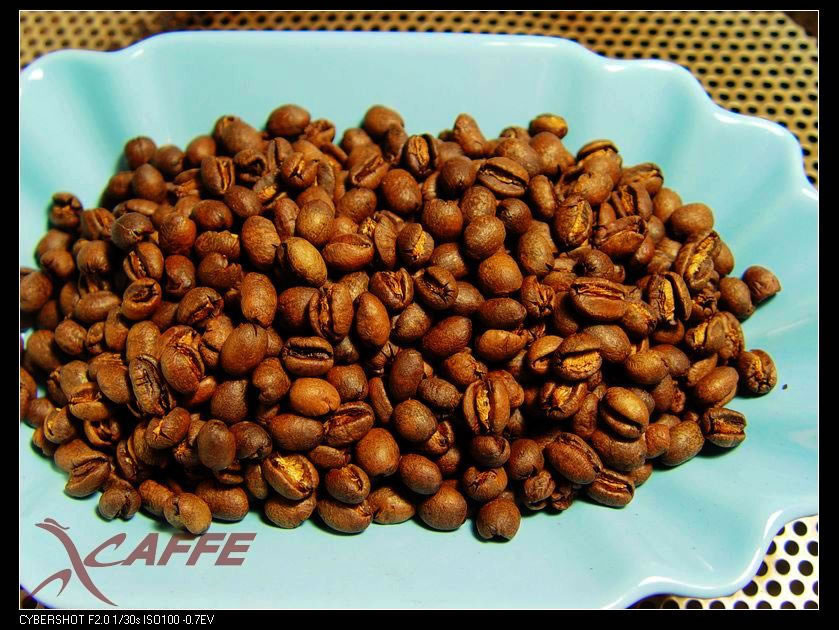
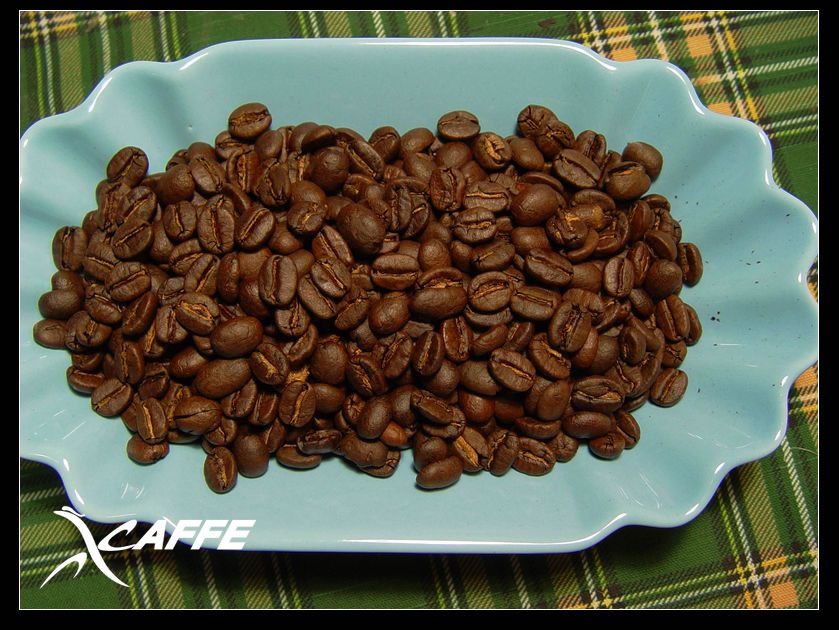
The article includes a visual lineup of 20 roasted coffee beans, from light to dark. These include: French Guiana’s Vanille Bénoîn, Madagascar, Mandheling Peaberry, Mexican Cassandra, Ugandan Organic, New Caledonia’s Réloy, Yirgacheffe, Indian Washed Robusta, Vietnamese Arabica, Australian Semi-washed, Panama’s Hamberton, Peruvian Organic, Indonesian Kopi Luwak, Bolivian Typica, Guatemalan Elephant Bean (23 mesh), Colombian Hyland, Costa Rica Honey Process from Wolf Estate, Guatemalan Antigua, Hawaiian Kona Peaberry, and Kenyan AA. Appearance varies, and while pretty roasts don’t always mean better flavor, these images offer a visual reference. Note: photos are for illustration only—flavor matters more than looks.
Frequently Asked Questions
What’s the best roast time for high-quality coffee beans at home?
For high-quality beans, use a high heat setting (around 9) and roast for about 10 minutes. This preserves bright, acidic, and floral notes while avoiding overdevelopment.
Can I roast coffee with an electric roaster like the Apollo?
Yes. Electric roasters like the Apollo are beginner-friendly and capable of producing clean, flavorful roasts. They work differently from gas roasters, so don’t expect identical results, but they can still achieve professional-quality outcomes.
How much coffee should I put in my home coffee roaster?
Fill the drum to 60–80% of capacity. For the Apollo, that’s around 100g for most beans. Avoid filling it completely (max is 150g), especially with dense beans like elephant beans or Yirgacheffe, which may roast unevenly.
What roast level gives the most flavorful cup for beginners?
Most beginners achieve great results with a medium roast achieved through a relatively fast, hot roast (level 8–9 for 10–12 minutes). This highlights balance without requiring advanced timing or curve adjustments.
Does the Apollo roaster reduce smoke during roasting?
Yes. The Apollo features an automatic smoke filtration system, which minimizes indoor smoke and smells, making home roasting much more pleasant with a sweet, milky aroma instead.
How do I know when to stop roasting?
You can stop manually using the power button or by lifting the lid. Roast timing and color are your main guides. Listening for the first and second cracks also helps determine roast level.
Recommended FrontStreet Beans for Home Roasting Inspiration
Try FrontStreet’s Yirgacheffe for bright floral and citrus notes, a great example of a high-quality bean suited to fast, hot roasting. Their Panamanian Hamberton offers honey-process complexity ideal for experimenting with lighter-medium profiles. For a classic medium-dark option, their Kenyan AA delivers bold fruit and winey acidity. All three showcase the kind of origin character best highlighted through careful home roasting. Freshly roasted within 5 days · Orders placed before 17:00 ship the same day · Next-day delivery across most of Guangdong Province.
FrontStreet Coffee is a long-established specialty coffee roaster in Guangzhou China, selling freshly roasted beans from its own farm in Yunnan as well as dozens of carefully selected single-origin beans from around the world for both pour-over and espresso. The products deliver consistently excellent quality and great value, with shipping within 24 hours. Guangzhou's FrontStreet Coffee shop is recommended by many coffee lovers, and the beans are now available online at the Tmall 。
Important Notice :
前街咖啡 FrontStreet Coffee has moved to new addredd:
FrontStreet Coffee Address: 315,Donghua East Road,GuangZhou
Tel:020 38364473