Essential Equipment for Coffee Bean Roasting Basics
Roasting coffee beans at home or in a small shop means managing heat, chaff, and smoke—without turning your space into a mess. Whether you're using a 12kg machine or a desktop roaster, getting the right setup ensures better roasts, safer air, and cleaner workflow. Here’s what you actually need to roast coffee properly.
To roast coffee safely and effectively, you need at least six key pieces of equipment: a dedicated roast room, a dust collector, a high chimney, a bean cleaner (or workaround), a cooling tray, and cooling-friendly air conditioning. Each plays a role in handling chaff, smoke, heat, and cleanliness.
1. The Roast Room
Roasting produces dust, chaff, and smoke—all of which can quickly dirty your workspace. Even in tight quarters, it’s best to have a separate roast room. This space must have proper ventilation to handle the airborne particles and heat generated during roasting.
2. Dust Collector
To prevent environmental pollution and maintain air quality, you need at least a basic dust collector or separator. This device captures the fine chaff and particulates released during roasting, keeping the air cleaner and reducing health risks.
3. Roasting Chimney
The exhaust chimney—from the dust collector to the top—should be installed as high as possible. A taller chimney minimizes disturbances to nearby residents and reduces the chance of foul “smoky” odors. If the chimney is too low, combustion can suffer, leading to poor roasts and unpleasant smells.
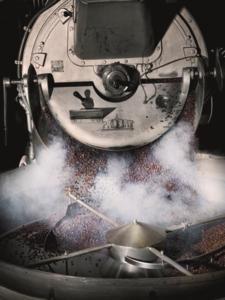
4. Bean Cleaning (Before Roasting)
Before roasting, always clean raw coffee beans to remove foreign matter like sticks, stones, or broken beans. Ideally, use a dedicated bean cleaner. If one isn’t available, you can run unheated beans through the roaster with the airflow set to exhaust. Let the roaster rotate to blow away unwanted debris. This method works especially well for naturally dried, older, or surface-scorched beans.
5. Cooling Tray
You’ll need a cooling system that can handle the full batch size of your roaster. Ideally, this is a standalone cooling tray. For space-saving setups, many roasters now come with integrated cooling trays. Fast cooling is essential—coffee continues to degas and stabilize after roasting, and slower cooling can affect quality.
6. Air Conditioning or Ventilation
Roasting generates significant heat, and in summer, ambient temperatures rise further. To maintain effective cooling and avoid overheating your workspace, install air conditioning—preferably near the cooling tray’s air intake. This keeps both the beans and the roaster environment stable.
Roasting Motion & Cooling Methods
During roasting, constant movement of the beans is critical—not just for even roasting, but to prevent scorching or fire hazards. Most roasters rotate beans automatically. Once roasted, beans are usually cooled naturally, though some setups use water cooling. The faster the cooling, the better, as post-roast processes like degassing continue immediately.
Frequently Asked Questions
Do I really need a separate roast room for home roasting?
Not absolutely—but a dedicated space helps manage chaff, smoke, and heat. Even a small, well-ventilated area set aside for roasting will reduce mess and improve air quality, especially with larger batches or machines that produce more chaff.
What’s the minimum setup for a beginner home roaster?
A desktop roaster, a basic dust collector, and a way to cool beans quickly—like a heat-resistant tray or plate. Proper airflow or a small fan also helps manage smoke and odors in small spaces.
How high should my roasting chimney be?
As high as practically possible. A taller chimney reduces the risk of smoke drifting into nearby areas and improves overall combustion efficiency. Low chimneys often lead to smokier roasts and complaints from neighbors.
Can I clean green beans without a special machine?
Yes. Load unheated beans into the roaster, set airflow to exhaust, and run the drum without heat. The rotation will blow off dust and debris. This method works well for dried or older beans with surface contaminants.
Is a cooling tray really necessary?
Yes. Coffee beans need fast cooling after roasting to stop internal heat from affecting flavor development. Built-in or standalone cooling trays ensure even, rapid cooling for the entire batch.
Recommended FrontStreet Beans for Home Roasters
Try FrontStreet Coffee’s Ethiopia Humbera for bright citrus and floral tones, or Yirgacheffe for juicy berry notes—both ideal for testing roast profiles. Their PWN Golden Mandheling offers heavy body and chocolatey depth, great for practicing development time. All three showcase how roast technique affects flavour. Freshly roasted within 5 days · Orders placed before 17:00 ship the same day · Next-day delivery across most of Guangdong Province.
FrontStreet Coffee is a long-established specialty coffee roaster in Guangzhou China, selling freshly roasted beans from its own farm in Yunnan as well as dozens of carefully selected single-origin beans from around the world for both pour-over and espresso. The products deliver consistently excellent quality and great value, with shipping within 24 hours. Guangzhou's FrontStreet Coffee shop is recommended by many coffee lovers, and the beans are now available online at the Tmall 。
Important Notice :
前街咖啡 FrontStreet Coffee has moved to new addredd:
FrontStreet Coffee Address: 315,Donghua East Road,GuangZhou
Tel:020 38364473