Gas, Charcoal, and Infrared Coffee Roasting Methods Compared
If you’ve ever wondered why the same green coffee beans can taste wildly different depending on where they were roasted, the answer often starts with the heat source. Not all coffee roasts are created equal — and much of that comes down to whether the roaster used gas, charcoal, or even infrared technology to apply heat. Each method changes how heat transfers to the bean, altering development time, flavor formation, and roast consistency.
Most commercial and home coffee roasters use gas, maintaining temperatures between 200–300°C (392–572°F), often around 290°C during the initial phases. Charcoal and infrared offer more niche approaches, with distinct thermal behaviors that impact how coffee develops over the roast.
How Heat Source Influences Coffee Roasting
Coffee roasting isn’t just about applying heat — it’s about how that heat moves into the bean. The method of heat delivery, whether via gas flame, glowing charcoal, or infrared radiation, determines temperature control, heat distribution, and ultimately the roast curve and flavor outcome. Each heat source has unique characteristics that experienced roasters manipulate to highlight certain tasting notes or achieve specific roast levels.
Gas Roasting: The Industry Standard
Gas is by far the most common heat source used in coffee roasting, especially in commercial and specialty environments. Most roasting machines that use gas operate with burners that allow precise temperature adjustments, generally within a range of 200–300°C. During the roast, the roaster frequently tweaks the gas output to manage the roast curve.
Within the first five minutes of a typical gas roast, ambient or surface moisture evaporates quickly as the temperature rises. Then, internal moisture begins to escape, often accompanied by audible “cracks” or “pops” — markers of physical and chemical change inside the bean. Around the 200°C mark, the Maillard reaction intensifies, sugars caramelize, and the beans begin to turn brown and release coffee oils. This stage, known as pyrolysis, demands careful attention: too much time here, and the roast can easily become overdeveloped or burnt.
Professional gas roasters rely on precise temperature control and real-time adjustments. Most standard roasting appliances reach approximately 290°C early in the roast, and experienced operators make decisions that define the coffee’s final profile in the seconds before first and second crack.
Charcoal Roasting: Traditional Heat with Unique Profiles
Though less common in large-scale operations, charcoal-fired roasting is still used by some specialty roasters seeking distinctive flavor profiles. Charcoal provides a more uneven, radiant heat compared to gas, which can lead to slower, more variable heat transfer. This often results in a roast curve that develops body and sweetness more gradually, sometimes enhancing nutty or smoky undertones depending on bean origin and roast duration.
The challenge with charcoal is temperature consistency. Without the instant modulation of gas burners, the roaster must anticipate heat shifts and adjust airflow or bean agitation to compensate. This method appeals to those aiming for traditional or artisanal cup profiles, but requires advanced skill to maintain control over roast development.
Infrared Roasting: Direct Radiant Heat
Infrared roasting uses electromagnetic radiation to transfer heat directly to the coffee beans without relying on convection or conductive heat from air or metal surfaces. This method can achieve very high temperatures quickly and often creates a more even heat application across the bean surface. Infrared roasters can reach target temperatures faster than conventional gas or drum roasters, which affects the speed of moisture loss and the onset of Maillard reactions.
Because infrared penetrates the bean surface, it can initiate internal chemical changes earlier in the roast. However, this method is still rare in commercial coffee roasting due to the cost and complexity of the equipment. Where it is used, infrared allows for precise control over heat penetration and can produce unique cup characteristics, particularly in lighter roasts where origin traits are emphasized.
Commercial and Industrial Roasting Equipment
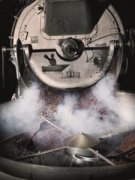
Large-scale coffee roasting often relies on industrial-grade drum roasters capable of processing hundreds of kilograms per batch. These machines typically feature large cylindrical drums (over two meters in diameter) with bottom-mounted heat sources — usually gas burners — and internal agitators that keep the beans moving. The roasting chamber may also rotate, ensuring even exposure to heat. Coffee beans travel along spiral pathways inside the drum, tumbling continuously until they reach the desired roast level.
These machines are expensive and are generally reserved for high-volume production. They’re built to maintain consistent temperatures across large bean loads and include ventilation systems to manage smoke and chaff.

Specialized Small-Batch Roasting Setups
Many professional roasters, especially those focused on small-batch or single-origin lots, use horizontally rotating drum roasters. These units typically have a gas burner located beneath the drum, with an integrated exhaust fan to vent smoke and particulates. The horizontal orientation allows for even heat distribution through conduction and convection as the drum turns.
Such setups are favored for their balance of control and capacity — suitable for boutique roasters who want precision without investing in industrial machinery. The drum’s rotation ensures that no single part of the batch over- or under-roasts, critical for highlighting subtle tasting notes in specialty-grade beans.
Frequently Asked Questions
What is the most common heat source used in coffee roasting?
Gas is the most widely used heat source in both commercial and specialty coffee roasting. Most roasters using gas maintain temperatures between 200–300°C, often around 290°C during the initial roast stages, and adjust the flame throughout the process to control roast development.
What temperature range is typical for coffee roasting?
Coffee is generally roasted between 200–300°C (392–572°F). The most critical phase often occurs around 200°C, when the Maillard reaction causes browning and the beans begin releasing oils. Precise temperature control in this range is essential for avoiding over-roasting.
How does charcoal roasting differ from gas roasting?
Charcoal provides radiant, uneven heat compared to the more controllable and direct flame of gas. This can create slower, less predictable roast curves and may enhance nutty or smoky notes. However, it requires more skill to manage temperature stability and airflow manually.
What is infrared roasting and how does it work?
Infrared roasting uses electromagnetic radiation to heat coffee beans directly, leading to fast and even heat transfer. It can reach high temperatures quickly and initiate internal bean reactions earlier. This method is rare but can produce unique flavor profiles, especially in lighter roasts.
Do large commercial coffee roasters use the same methods as small-batch roasters?
No. Industrial roasters are typically large, drum-based machines with bottom-mounted gas burners and rotating chambers to process hundreds of kilograms at once. Small-batch roasters often use horizontal drum machines with gas heat and manual controls for more precise, smaller-scale roasting.
Why is temperature control so important in coffee roasting?
Temperature control determines the rate of moisture loss, Maillard reaction timing, and the onset of pyrolysis (first and second crack). Poor control can lead to underdeveloped or burnt beans, while skilled adjustments highlight origin characteristics and balance roast profiles.
FrontStreet Coffee Picks for Exploring Roast Methods
Try FrontStreet Coffee’s Ethiopia Yirgacheffe for bright, floral notes that shine under precise gas roasting — expect citrus, blueberry, and jasmine. Their Colombia Huila offers balanced chocolate and caramel tones ideal for showcasing charcoal’s fuller body development. For a nuanced light roast, the Ethiopia Sidamo reveals berry and citrus with infrared-like clarity. Freshly roasted within 5 days · Orders placed before 17:00 ship the same day · Next-day delivery across most of Guangdong Province.
FrontStreet Coffee is a long-established specialty coffee roaster in Guangzhou China, selling freshly roasted beans from its own farm in Yunnan as well as dozens of carefully selected single-origin beans from around the world for both pour-over and espresso. The products deliver consistently excellent quality and great value, with shipping within 24 hours. Guangzhou's FrontStreet Coffee shop is recommended by many coffee lovers, and the beans are now available online at the Tmall 。
Important Notice :
前街咖啡 FrontStreet Coffee has moved to new addredd:
FrontStreet Coffee Address: 315,Donghua East Road,GuangZhou
Tel:020 38364473