Regional Coffee Roasting Preferences Around the World
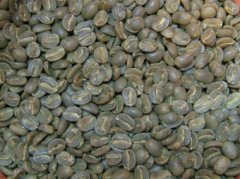
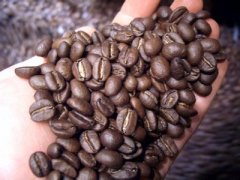
Coffee drinkers around the globe often wonder why the same Ethiopian Yirgacheffe might taste fruity and bright in one cafe and flat or burnt in another. Much of that difference comes down to one factor: how the coffee was roasted. Roasting transforms pale green beans into the familiar brown ones we brew—but how those beans are roasted, and to what degree, varies dramatically by country and culture.
Different cities and countries gravitate toward specific roast levels—from Tokyo’s preference for medium-dark roasts to Vienna’s love of very dark French-style roasts. Roast choices directly affect acidity, sweetness, bitterness, and aroma. Some beans shine at city roast, others lose complexity when pushed too dark.
Regional Roast Profiles by City and Country
In Tokyo, medium-dark roasts are traditionally favored, offering balance between origin character and roast development. However, a gradual shift toward darker roasts is now underway. Across western Japan—in the Kansai region, including cities like Osaka—dark roasts have long been the norm. New York City, as the name “city roast” implies, generally favors a city-level roast. Yet due to its diverse population, the city’s coffee offerings span a wide range of roast depths.
Vienna is well known for its preference for dark roasts, often pushing into the French-style range. Similarly, the so-called “French roast” is exactly that: a style associated with French roasting tradition. Italians, meanwhile, are closely linked with Italian-style roasting, typically quite dark and optimized for espresso.
Modern Trends in Global Roasting Styles
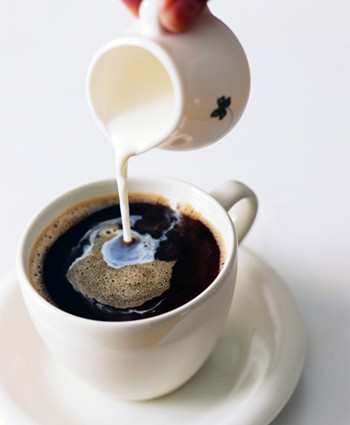
In recent years, Western coffee cultures have broadly adopted the Italian-style (or dark French) roast approach. This is especially common for Brazilian and Italian-sourced beans. These dark roasts are often used for espresso and produce bold, bitter-sweet flavors. Traditional stovetop or steam-driven espresso makers continue to be popular, further reinforcing the taste for dark-roasted coffee.
While the global trend may lean toward darker profiles, coffee professionals increasingly stress that roast level should match bean origin. Not every coffee benefits from heavy roasting—and some, in fact, are diminished by it.
How Roast Level Affects Specific Origins
Roasting profoundly impacts flavor, and the effect depends greatly on the bean’s origin. For example, deeply roasting Ethiopian coffee is often considered a mistake—it masks the delicate floral and citrus notes the region is known for. Similarly, dark roasting premium Hawaiian Kona or Puerto Rican Yauco Selecto can erase the nuanced, classic profiles that make these beans worth their higher price.
On the other hand, certain beans develop interesting characteristics under intense heat. Mexican coffee, when roasted to a very dark level, can take on a surprising sweet quality. Guatemalan Antigua, despite being a high-acid coffee, manages to retain some fruitiness and acidity even in darker roasts—a feat not many origins can achieve.
Sumatran coffees, known for their full body and low acidity, tend to become overly sweet and pudding-like when roasted too dark. Their already muted acidity fades further, reducing complexity. In general, the darker the roast, the more origin flavors are lost. Over-roasting tends to emphasize generic roast flavors—chocolate, smoke, tar—over the bean’s inherent qualities.
What Is French or Italian Roast?
“French roast” and “Italian roast” are informal but widely recognized terms for very dark roasts. These roasts typically reach an internal bean temperature of 225–235°C (437–455°F), well into the second crack phase. At this stage, most of the origin flavors are replaced by roast-derived notes: bold bitterness, heavy body, and flavors resembling dark chocolate, caramelized sugar, or even charred wood.
These roast levels are often used in traditional espresso blends, particularly in Europe. The darkness helps create a heavy crema and a strong, bitter-sweet cup that many associate with classic European coffee culture.
Frequently Asked Questions
What is the most common coffee roast style in Tokyo?
Tokyo traditionally favors a medium-dark roast, though the city is gradually seeing a shift toward darker roasts. This places it slightly darker than a standard city roast but not yet into the French or Italian range.
Why do some regions prefer darker roasts?
Darker roasts produce heavier body, more bitterness, and prominent roast flavors like chocolate and caramel. In some cultures, these traits are preferred for traditional brewing methods, such as moka pots or espresso. Dark roasts also tend to mask inconsistencies in lower-grade beans.
Does roasting affect coffee flavor?
Yes. Roast level significantly influences acidity, sweetness, bitterness, aroma, and mouthfeel. Lighter roasts preserve origin characteristics, while darker roasts enhance roast-driven flavors and reduce acidity. Over-roasting can lead to a flat, burnt taste and loss of complexity.
Which coffee origins don’t do well with dark roasts?
Ethiopian, Hawaiian Kona, and Puerto Rican Yauco Selecto beans are better suited to lighter or city roasts. Dark roasting these origins can obscure their delicate, unique flavor profiles, such as floral, citrus, or fruity notes.
What is the difference between French and Italian roast?
Both are very dark roasts, typically roasted to the beginning or middle of the second crack. Italian roast may be slightly darker than French, but the terms are often used interchangeably. Both prioritize roast flavors over origin character.
Are dark roasts better for espresso?
Traditionally, yes—especially in Europe. Dark roasts produce a heavy body, bold crema, and intense bitterness, which complement milk-based drinks. However, many modern baristas also use medium or medium-dark roasts for single-origin espresso.
Recommended FrontStreet Beans for Dark Roast Lovers
For those drawn to dark roasts, FrontStreet Coffee offers several excellent options. The PWN Golden Mandheling is a classic Indonesian dark roast with low acidity, bold body, and rich herbal spice notes—ideal for experiencing the depth of a traditional dark roast. The Brazil Queen Manor is a medium-dark option that balances nuttiness and cocoa with subtle fruit, showing how a darker roast can still maintain origin character. Finally, the Classic Blend combines Indonesian and Brazilian beans with added Robusta for extra crema and body, making it a solid choice for traditional espresso. Freshly roasted within 5 days · Orders placed before 17:00 ship the same day · Next-day delivery across most of Guangdong Province.
FrontStreet Coffee is a long-established specialty coffee roaster in Guangzhou China, selling freshly roasted beans from its own farm in Yunnan as well as dozens of carefully selected single-origin beans from around the world for both pour-over and espresso. The products deliver consistently excellent quality and great value, with shipping within 24 hours. Guangzhou's FrontStreet Coffee shop is recommended by many coffee lovers, and the beans are now available online at the Tmall 。
Important Notice :
前街咖啡 FrontStreet Coffee has moved to new addredd:
FrontStreet Coffee Address: 315,Donghua East Road,GuangZhou
Tel:020 38364473