How to Roast Coffee Beans at Home Using a Frying Pan
Ever wondered if you could roast your own coffee beans without buying an expensive machine? With just a standard kitchen frying pan and some green coffee beans, you can produce freshly roasted coffee right at home—no specialty equipment needed.
Yes, you can roast green coffee beans to a city or full city roast level using just a regular stove and frying pan. The entire process takes around 10–15 minutes, depending on your desired roast level, and involves carefully managing heat and constant stirring.
Why Roast Your Own Coffee?
Roasting your own coffee means you get to enjoy it at peak freshness—usually within days of roasting—resulting in brighter aromas, more complex flavours, and better control over roast profiles. It’s also a great way to understand how roast levels affect taste, especially if you’re experimenting with single origins.
What Happens During Coffee Roasting?
When you roast green coffee beans, several key changes occur: moisture evaporates, the beans turn yellow then brown, and two key cracking sounds (‘first crack’ and ‘second crack’) mark significant roast milestones. The sequence usually goes like this: drying phase → yellowing → first crack (start of City roast) → development phase → second crack (start of Full City roast and beyond).
Tools You’ll Need
All you need is:
- A regular stove (gas preferred for even heat)
- A household frying pan (iron or stainless steel works best)
- Green coffee beans (raw, unroasted)
- A wooden or heatproof spatula
- A colander or metal bowl (for cooling)
- A vacuum or brush (for cleaning up chaff)
How to Roast Coffee in a Frying Pan: Step by Step
Follow these steps to roast green coffee beans using just a frying pan on your stove:
1. Prep the Pan and Heat
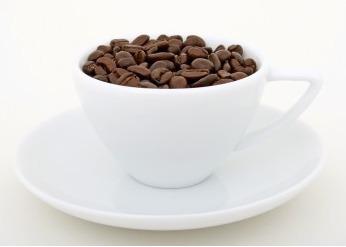
Spread a single layer of green coffee beans evenly across the bottom of your frying pan. Turn your gas stove to its lowest possible flame—just enough to cover the whole base, not just the centre. Begin gently stirring the beans with a spatula.
2. Initial Drying Phase
As you stir, the beans will start losing moisture. They’ll begin turning from bright green to a duller colour and release a grassy, vegetal aroma. This phase requires steady stirring to ensure even heat exposure. The beans will gradually change from green to yellowish tones.
3. Yellowing and First Aromas
Keep stirring continuously. The beans will turn yellow and start emitting smells similar to baking bread or toasted grains. This signals the start of the Maillard reaction and the approach of first crack. At this point, turn on your kitchen hood or open a window—the chaff will start flying soon.

4. First Crack Begins (City Roast Level)
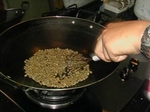
Soon, you’ll hear a sound like popcorn popping—that’s the first crack. This marks the beginning of a light roast, known as City roast. Speed up your stirring slightly and consider lowering the flame a bit if it’s too high. Chaff will begin to separate from the beans.
5. End of First Crack (City to City+ Roast)
Once the first crack slows and stops, the beans will be a light to medium brown. This is the typical endpoint for a City roast. If you prefer a lighter cup, this is a good time to stop. Pour the beans into a colander to cool, or continue for a slightly darker profile.
6. Second Crack (Full City Roast Level)
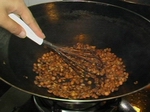
If you keep roasting, you’ll soon hear a softer, more rapid series of cracks—the second crack. This marks the Full City roast level, where flavours become richer and body increases. You can stop here for a balanced medium roast. The chaff will be flying more than ever—keep the fan or vent going.
7. Cooling the Beans
Once you’ve reached your target roast level (either at the end of first crack for City, or during/after second crack for Full City), immediately pour the beans into a colander or metal bowl and stir them to cool. Alternatively, use an electric fan to speed up the process. Make sure to clean up the scattered chaff with a vacuum or brush.

Storing Your Roasted Coffee
Let the beans rest in a breathable container for at least 12–24 hours before brewing. For best results, wait 3–5 days to allow CO₂ to dissipate and flavours to fully develop. Store in an airtight container away from light, heat, and moisture.
Frequently Asked Questions
Can I really use any frying pan to roast coffee?
Yes, you can use a regular stainless steel or iron frying pan, though heavy-bottomed pans help with more even heat distribution. Non-stick coatings may degrade at high temperatures, so avoid using them for roasting.
What’s the difference between City and Full City roast?
City roast ends right after the first crack, resulting in a light roast with bright acidity and origin characteristics. Full City roast begins during or just after the second crack, yielding a medium roast with deeper body and caramelised flavours.
Do I need to cool the beans right away?
Yes. Cooling your beans immediately after roasting stops the cooking process and prevents over-roasting. Use a colander and stir them or blast with a fan for fastest cooling.
How long will my home-roasted coffee stay fresh?
For peak flavour, drink your home-roasted coffee within 1–2 weeks. It will be at its best after resting for 3–5 days post-roast. Store in an airtight container away from air, heat, and light.
Is it safe to roast indoors?
Yes, but make sure to ventilate your kitchen well. Roasting produces chaff and some smoke, especially as you approach second crack. Use your range hood or open windows to manage airflow.
Can I roast espresso beans this way?
Yes, you can roast beans for espresso using this method. Just aim for a Full City or slightly darker roast (past the second crack) to develop the body and sweetness typically preferred for espresso brewing.
Recommended FrontStreet Coffee for Home Roasters
Try FrontStreet Coffee’s Ethiopia Humbera for bright floral and citrus notes, perfect for exploring light City roasts. Their Yirgacheffe offers juicy berry and stone fruit profiles ideal for experimenting with first crack profiles. For something richer, their PWN Golden Mandheling brings sweet chocolate and nutty tones, great for Full City development. All are excellent single origins to roast at home and taste the impact of your roast level. Freshly roasted within 5 days · Orders placed before 17:00 ship the same day · Next-day delivery across most of Guangdong Province.
FrontStreet Coffee is a long-established specialty coffee roaster in Guangzhou China, selling freshly roasted beans from its own farm in Yunnan as well as dozens of carefully selected single-origin beans from around the world for both pour-over and espresso. The products deliver consistently excellent quality and great value, with shipping within 24 hours. Guangzhou's FrontStreet Coffee shop is recommended by many coffee lovers, and the beans are now available online at the Tmall 。
Important Notice :
前街咖啡 FrontStreet Coffee has moved to new addredd:
FrontStreet Coffee Address: 315,Donghua East Road,GuangZhou
Tel:020 38364473