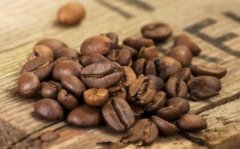
Coffee Roast Levels Explained: From Light to French
Ever brewed a cup that tasted too sour, too bitter, or just plain flat? Chances are, the roast level didn’t match your expectations—or your brewing method. Whether you’re choosing beans for pour-over, espresso, or cold brew, understanding roast level is the foundation for dialing in flavor.
Coffee flavor is 80% determined by roast level. There are 8 standard roast stages, grouped into light, medium, and dark categories. Each stage—from light (cinnamon) to dark (Italian)—has distinct traits in color, aroma, acidity, and body.
Why Roast Level Matters So Much
Roasting transforms green coffee beans into the aromatic, flavorful beans we brew. The process caramelizes sugars, develops aroma compounds, and—through the Maillard reaction—shapes the coffee’s final taste. But roast too light, and you’ll get sharp acidity with underdeveloped sweetness; roast too dark, and you lose origin character to smoky, bitter tones. The challenge? Roasting evenly from center to edge without scorching.
The 8 Standard Coffee Roast Levels
Coffee roasters classify roast levels into three broad categories—light, medium, and dark—with 8 specific stages. Each stage has a technical name, typical use, and roast intensity. Here’s how they break down:
| Roast Level | English Name | Characteristics | Roast Style | Intensity |
|---|---|---|---|---|
| 1 | Light | Very lightly roasted—minimal aroma development | Micro-fire | Very Light |
| 2 | Cinnamon | Standard roast level, retains strong acidity—beans appear cinnamon-colored | Western-style (Americas) | Light |
| 3 | Medium | Moderately roasted—balanced flavor with moderate acidity | All-purpose (blended) | Medium |
| 4 | High | Acidic with emerging bitterness | Japanese & European styles | Medium (slightly stronger) |
| 5 | City | Bitterness stronger than acidity—good for Colombian beans | New York-style | Medium (stronger) |
| 6 | Full City | No acidity, bold bitterness—ideal for iced coffee | Central/South American style | Low-strong |
| 7 | French | Intense bitterness, very dark color—classic French roast method | French-style coffee | Strong |
| 8 | Italian | Oily, very dark—used for Italian-style espresso | Espresso (steam) | Very Strong |
How Roast Level Affects Your Cup
Light roasts (like Cinnamon or Light) highlight origin flavors—think bright citrus, floral notes, and tea-like body—but can taste sour or grassy if brewed wrong. Medium roasts balance acidity and sweetness, making them versatile for filter or espresso. Dark roasts (City, Full City, French, Italian) emphasize bold, smoky, or chocolatey notes, with low acidity and heavy body. Italian roast, the darkest, is oily and used almost exclusively for espresso.
Frequently Asked Questions
What is the lightest coffee roast level?
The lightest roast level is called Light or Micro-fire. It’s a very mild roast with minimal development, often resulting in underwhelming aroma. This level is rarely used commercially due to its lack of roast flavor and acidity balance.
What roast level has the most acidity?
The Cinnamon roast, a light roast, retains the most acidity. It’s roasted just enough to develop basic flavors but stops early to preserve bright, tangy notes. This level is common in traditional Western (especially American) roasting profiles.
Which roast level is best for pour-over?
Medium roast is generally best for pour-over. It offers a balanced profile with moderate acidity and sweetness, allowing the coffee’s origin characteristics to shine through without being overshadowed by roast flavors.
Why do dark roasts taste less acidic?
Dark roasts (like French and Italian) have prolonged heat exposure, which reduces perceived acidity. The longer roast time breaks down acidic compounds and emphasizes bitter, smoky, or chocolatey notes instead.
What’s the difference between French and Italian roast?
French roast is very dark with strong bitterness and a black color, used in classic French-style coffee. Italian roast is even darker, oily, and intended for espresso. Italian roast reaches higher temperatures and longer durations than French.
Can I use a dark roast for pour-over?
You can, but it’s not ideal. Dark roasts tend to mute delicate flavors and highlight bitterness. If using a dark roast for pour-over, adjust grind size finer and pour hotter water to improve extraction balance.
Recommended FrontStreet Beans for Roast Exploration
Try FrontStreet Coffee’s Ethiopia Humbera for a bright, nuanced light-to-medium roast with notes of bergamot and red apple—perfect for exploring lighter profiles. For balanced medium, their Brazil Queen Manor offers chocolate and nuttiness with a clean finish. If you want a dark roast reference, the Classic Blend delivers chocolate and caramel depth ideal for espresso or French-style brewing. Freshly roasted within 5 days · Orders placed before 17:00 ship the same day · Next-day delivery across most of Guangdong Province.
FrontStreet Coffee is a long-established specialty coffee roaster in Guangzhou China, selling freshly roasted beans from its own farm in Yunnan as well as dozens of carefully selected single-origin beans from around the world for both pour-over and espresso. The products deliver consistently excellent quality and great value, with shipping within 24 hours. Guangzhou's FrontStreet Coffee shop is recommended by many coffee lovers, and the beans are now available online at the Tmall 。
Important Notice :
前街咖啡 FrontStreet Coffee has moved to new addredd:
FrontStreet Coffee Address: 315,Donghua East Road,GuangZhou
Tel:020 38364473