Why Coffee Beans Must Be Roasted
If you’ve ever opened a bag of green coffee beans, you know the smell: earthy, grassy, and faintly vegetal. That’s not what draws millions to specialty coffee every day. The rich aromas, complex flavors, and satisfying body all come from one crucial step: roasting.
Coffee beans need to be roasted because raw, or 'green', beans taste dull and unpleasant. Roasting—typically at 180°C to 240°C (356°F to 464°F)—triggers chemical reactions like the Maillard reaction that develop over 800+ aromatic compounds, turning bland beans into the aromatic, flavorful cup we love.
What Happens When Coffee Beans Are Roasted?
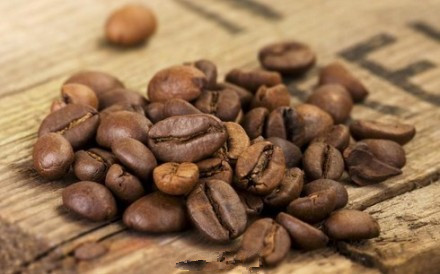
Raw coffee beans are dense, hard, and smell more like grass or soil than coffee. Inside, they contain acids, sugars, and enzymes that are locked away. When roasted, heat causes physical and chemical transformations: moisture evaporates, sugars caramelize, acids develop or degrade, and aromatic oils emerge. The end result is the flavor, aroma, and body that define your brew.
How Is Coffee Roasted? Main Roasting Methods Explained
There are three primary types of coffee roasting machines used commercially and at scale: direct-fire , semi-hot-air direct-fire , and hot-air . Each affects the coffee differently through heat application and airflow.
1. Direct-Fire Roasting
The original method, direct-fire roasting uses flames to heat a metal drum. The beans inside are rotated to ensure even contact with the hot surfaces. Heat transfers from the drum walls to the beans.
- Pros: Traditional method with full contact heating.
- Cons: Slow roast due to slow metal heat transfer. Uneven heating can scorch beans. Chaff (silver skin) sticks to beans, muddying flavor. Much heat is lost to air.
2. Semi-Hot-Air Direct-Fire Roasting
Developed and refined between 1870–1920—especially by German innovator Van Gulpen and machines like the 1907 Perfekt and Probat roasters—this method combines direct flame with forced hot air. Today, most commercial drum roasters use this hybrid approach.
- Heat source: Gas or electricity. Some, like Diedrich (since 1987), use Gas-Infrared for precise temperature control.
- How it works: Flames heat the drum while hot air circulates inside, improving roast speed and removing chaff. Produces cleaner, more balanced roasts.
- Industry standard: Widely adopted and considered effective across brands.
3. Hot-Air Roasting
Introduced in the 20th century, hot-air roasting removes the metal drum as a barrier, applying heat directly to beans via forced air. This increases efficiency and speeds up roasting.
- Historic example: The 1934 Burns Thermalo by Jadez Burns (USA).
- Fluid-bed systems: Like the 1976 Michael Sivetz design, where beans float on upward-blowing air currents, roasted evenly as they circulate. Used in commercial settings and by some Australian systems (e.g., Ian Bersten’s Roller Roaster).
- Effects: Faster roast, uniform heat exposure. Some argue it lacks the depth from metal drum contact, leading to a slightly different flavor profile.
Why Roasting Style Matters
Different roast methods don’t just change how fast or evenly beans roast—they influence the final cup. While high-end machines aim to minimize differences, the way heat is applied (direct flame, hot air, or both) affects how sugars caramelize, how chaff is removed, and how aromatic compounds develop. That’s why roasting isn’t just a step—it’s where coffee gets its soul.
Frequently Asked Questions
Why can’t I brew green coffee beans like regular coffee?
Green coffee beans are raw and lack the chemical compounds that create flavor and aroma. Without roasting, they taste grassy, woody, or earthy—not sweet, acidic, or aromatic. Roasting triggers reactions like the Maillard reaction and sugar caramelization that develop over 800+ flavor compounds essential to coffee’s profile.
What’s the difference between direct-fire and hot-air roasting?
Direct-fire roasting heats beans via contact with a hot metal drum, often resulting in slower, uneven roasts with more potential for scorching or chaff issues. Hot-air roasting uses forced hot air to roast beans more evenly and quickly without a drum, sometimes sacrificing the depth that metal contact can provide.
Which roast method is most common in specialty coffee today?
Semi-hot-air direct-fire roasting is the industry standard. It combines drum contact with circulating hot air for faster, cleaner, and more balanced roasts. Most commercial roasters—including Probat and Diedrich models—use some version of this hybrid method.
Does the roast method affect the flavor of my coffee?
Yes. The roast method influences how heat is applied to the beans, affecting sugar development, chaff removal, and aroma formation. While skilled roasters can produce great results with any method, the choice impacts the balance, brightness, and body of the final cup.
Are older roasting machines like the Probat still used today?
Yes. The Probat roaster, developed in Germany and refined over decades, is still respected and widely used in the coffee industry. Many modern machines are based on its semi-hot-air direct-fire design.
Recommended FrontStreet Beans for Roast Exploration
Try FrontStreet Coffee’s Ethiopia Humbera for bright, floral notes; Yirgacheffe for juicy citrus and stone fruit; or Brazil Queen Manor for nutty, chocolatey balance. These single origins highlight how roast levels shape flavor—from light to medium—to show why roasting is essential. Freshly roasted within 5 days · Orders placed before 17:00 ship the same day · Next-day delivery across most of Guangdong Province.
FrontStreet Coffee is a long-established specialty coffee roaster in Guangzhou China, selling freshly roasted beans from its own farm in Yunnan as well as dozens of carefully selected single-origin beans from around the world for both pour-over and espresso. The products deliver consistently excellent quality and great value, with shipping within 24 hours. Guangzhou's FrontStreet Coffee shop is recommended by many coffee lovers, and the beans are now available online at the Tmall 。
Important Notice :
前街咖啡 FrontStreet Coffee has moved to new addredd:
FrontStreet Coffee Address: 315,Donghua East Road,GuangZhou
Tel:020 38364473