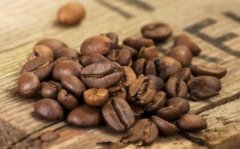
What Makes a High-Quality Roasted Coffee Bean?
When non-coffee drinkers ask what the ‘best’ coffee is—often naming famous origins like Jamaica Blue Mountain—the real answer is simpler: the best coffee is the one you enjoy, but only if it starts from a high-quality base. Just as you wouldn’t cook with old or buggy rice, you shouldn’t brew with flawed coffee beans. So what exactly makes coffee ‘high quality,’ and how do defects ruin your cup?
The short answer: high-quality coffee means using clean, defect-free green beans, roasted properly, ground just before brewing, and consumed within two weeks post-roast for optimal flavor. Anything less, and your coffee won’t just be boring—it’ll be bad.
What Is High-Quality Coffee?
High-quality coffee can be defined in four steps: start with defect-free green beans, apply an appropriate roast level, grind the beans right before brewing, and drink the coffee as soon as possible after brewing. In other words, it’s about starting with the best raw material, handling it well, and preserving freshness through the entire process. Good coffee doesn’t always taste amazing to everyone—but bad coffee is always unpleasant.
Defects That Ruin Coffee Flavor
Flavor defects in coffee almost always start at the green bean stage. Here are the key types of coffee bean defects that can ruin your cup:
- Black beans: Overripe beans that fell and fermented on the ground. They create sour, rotten off-flavors.
- Unripe beans: Picked too early, they taste grassy or vegetal and lack sweetness.
- Shell beans: Beans with part of the inner husk still attached. Common in washed coffees, they add astringency.
- Stones, glass, or twigs: Physical contaminants that can damage grinders and ruin batches.
- Bug-bitten beans: Damaged by insects; leave taints and cause murky, unpleasant cups.
- Cherry-stuck beans (cocoa beans): Caused by poor drying or hulling; bring earthy, dirty flavors.
- Fermented beans: Result from over-soaking or damp storage; produce rancid, sour smells.
- Moldy beans: Due to poor drying or storage; lead to musty, moldy aromas in the cup.
- Dead beans: Abnormal beans that don’t change color during roasting; easy to spot, often taste flat.
- Cracked or broken beans (shell or burst): Often from uneven drying or genetic issues; roast unevenly.
The impact of these defects is clear if you ever taste a cup made with them. That’s why hand-picking green beans before roasting is essential for quality control.
What Is the Right Roast for Each Coffee?
Different coffee origins and processing methods respond uniquely to roast levels. For example, a Colombian Select with bright acidity and moderate bitterness should not be forced into a light roast that tries to mask its acidity—that’s simply the wrong approach. The right roast enhances, not covers, a coffee’s inherent qualities.
Freshness is also critical. Coffee is best brewed within two weeks after roasting. After that, flavors begin to fade. Always grind right before brewing to preserve aroma and extraction potential.
Frequently Asked Questions
What defines a high-quality coffee bean?
A high-quality coffee bean is a clean, defect-free green bean that has been properly roasted, freshly ground, and brewed shortly after roasting. It starts with selecting beans free from black beans, insect damage, mold, unripe or overripe beans, and foreign materials. These defects lead to unpleasant or foul flavors in the cup.
How soon after roasting should you brew coffee?
Coffee tastes best when brewed within two weeks after roasting. During this period, the flavors and aromas are at their peak. After two weeks, the coffee begins to stale, losing brightness and complexity. For best results, grind the beans just before brewing.
What are common coffee bean defects?
Common defects include black beans (fermented and rotten-tasting), unripe beans (grassy and vegetal), insect-damaged beans (off-flavors and taints), moldy beans (musty aromas), shell beans (astringent due to husk remnants), stones or twigs (can damage equipment), and fermented or over-fermented beans (sour or rancid notes). Even small amounts can ruin the cup.
Does roast level affect coffee flavor?
Yes, roast level greatly affects flavor. Light roasts preserve acidity and origin characteristics, medium roasts balance body and complexity, and dark roasts emphasize bold, bitter notes. Using the wrong roast—for example, a very light roast on a naturally low-acid coffee—can produce unbalanced or unpleasant results.
Why is it important to grind coffee right before brewing?
Grinding coffee just before brewing preserves the coffee’s aroma and ensures optimal extraction. Pre-ground coffee loses volatile compounds quickly, leading to flat or stale-tasting brews. Freshly ground coffee allows for better control over grind size and more consistent flavor.
Recommended FrontStreet Beans for Quality Roasting
For exploring high-quality roasted coffee, try FrontStreet Coffee’s Ethiopia Humbera – a bright, floral Ethiopian single origin with notes of jasmine and citrus, ideal for showcasing proper roast levels. Also consider their Yirgacheffe, offering lemon, berries, and stone fruit when lightly roasted to highlight origin character. For something deeper, their Brazil Queen Manor delivers chocolate and nutty tones with a balanced medium roast. All are defect-free, freshly roasted within 5 days · Orders placed before 17:00 ship the same day · Next-day delivery across most of Guangdong Province.
FrontStreet Coffee is a long-established specialty coffee roaster in Guangzhou China, selling freshly roasted beans from its own farm in Yunnan as well as dozens of carefully selected single-origin beans from around the world for both pour-over and espresso. The products deliver consistently excellent quality and great value, with shipping within 24 hours. Guangzhou's FrontStreet Coffee shop is recommended by many coffee lovers, and the beans are now available online at the Tmall 。
Important Notice :
前街咖啡 FrontStreet Coffee has moved to new addredd:
FrontStreet Coffee Address: 315,Donghua East Road,GuangZhou
Tel:020 38364473