Coffee Roasting Stages and Their Main Uses Explained
Ever wonder why the same coffee bean can taste bright and fruity one day, and bold and bitter the next? The secret isn’t in the bean itself—but in how it’s roasted. Roasting transforms green coffee beans into the aromatic, flavorful grounds we brew. But with so many roast levels out there, how do you know which one brings out the flavors you actually want?
In short, coffee roast levels range from Light (yellow wheat color, high acidity) to Italian (black, oily, strong bitterness). Each stage—like Cinnamon, City, or French—offers distinct flavors, from bright and tangy to deep and smoky. Your choice depends on whether you prefer a light, acidic cup or a rich, bold espresso.
What Happens During Coffee Roasting?
Roasting green coffee beans isn’t just about heating them up—it’s a complex chemical process. As beans roast, they lose 15–20% of their weight due to moisture evaporation, while their volume increases by about 30%. This heat triggers Maillard reactions and other chemical changes that develop the flavors, aromas, and colors we associate with coffee: acidity, bitterness, sweetness, astringency, and body.
The roast level you choose directly influences these traits. Lighter roasts preserve more of the bean’s origin characteristics and acidity, while darker roasts emphasize bold, bitter, and smoky notes. The process typically occurs between 200–250°C, and skilled roasters carefully control temperature and time to ensure even color development and prevent fat separation, which can cause surface scorching.
Coffee Roast Levels: Stages, Appearances, and Flavor Profiles
Coffee roasts are generally grouped into three intensity bands—light, medium, and dark—but each level has its own name, visual cue, and best use case. Here’s how they break down:
| Roast Stage | Color & Appearance | Flavor Profile | Primary Use |
|---|---|---|---|
| Light Roast | Yellow wheat color | Very mild aroma, high acidity | Experimental or light brews |
| Cinnamon Roast | Cinnamon brown | Strong acidity, classic light flavor | Americano-style, light roasts |
| Medium Roast | Chestnut brown | Balanced flavor, pleasant acidity | Blended coffees, general use |
| High Roast | Medium-dark | Acidity balanced by bitterness | Blue Mountain-style, preferred in Japan & Scandinavia |
| City Roast | Medium-dark brown | Bitterness stronger than acidity | Colombian, Brazilian beans; New York-style |
| Full City Roast | Dark brown | Low acidity, bold bitterness | Iced coffee, popular in Central/South America |
| French Roast | Dark with slight oil sheen | Rich, roasty, pairs well with milk | Vienna-style coffee, espresso with steamed milk |
| Italian Roast | Near-black, oily surface | Intense bitterness, smoky depth | Espresso, especially Italian-style espresso and cappuccino |
How Roast Level Influences Brewing and Flavor
Different roast levels are not just about taste preference—they’re also matched with specific brewing methods and regional styles. Lighter roasts like Cinnamon or Medium are often used in filter coffee or pour-over methods to highlight origin complexity and acidity. As roasts darken to City, Full City, or French, the body thickens, acidity drops, and bitterness becomes more pronounced, making them ideal for espresso blends, milk-based drinks, or cold brew.
Japanese and Northern European markets, for instance, often favor High Roast for its balance. In contrast, Italians prefer the heavy-bodied, intense profile of Italian Roast for their traditional espresso. Even within one bean variety—say, a Brazilian or Colombian—the roast level can entirely reshape its flavor expression, shifting from bright citrus to deep chocolate or nutty tones.
Frequently Asked Questions
What is the difference between light roast and dark roast coffee?
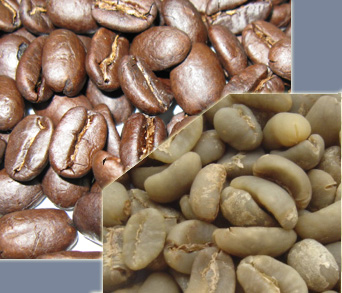
Light roast coffee is roasted for a shorter time at lower temperatures, resulting in a yellow-wheat color, higher acidity, and more pronounced origin flavors like fruit or floral notes. Dark roast is roasted longer at higher temperatures, producing a dark brown or black bean with an oily surface, lower acidity, and bold, bitter, smoky, or chocolatey flavors.
Which roast level has the most caffeine?
Contrary to popular belief, caffeine content changes very little with roast level. While some assume dark roast has more caffeine because of its stronger flavor, both light and dark roasts generally have similar caffeine levels per bean. However, because dark roast beans are less dense, by weight they may contain slightly less caffeine than lighter roasts.
What roast is best for espresso?
Espresso can work with a range of roasts, but medium to dark roasts like City, Full City, French, or Italian are most common. Italian roast, with its bold bitterness and oily surface, is especially popular for traditional espresso and milk drinks like cappuccinos.
Does roast level affect coffee acidity?
Yes. Lighter roasts retain more acidity, giving a brighter, tangier cup. As roast levels deepen, acidity decreases and is replaced by bitterness and deeper flavor notes. Very dark roasts have almost no perceptible acidity.
What’s the ideal roast for pour-over or drip coffee?
Light to medium roasts, such as Cinnamon, Medium, or City, are ideal for pour-over methods. These roasts preserve acidity and nuanced flavors, allowing the coffee’s origin characteristics to shine through.
Why do roast levels have different names like Cinnamon or French?
Roast level names often come from historical or regional traditions. 'Cinnamon' refers to the color and typical roast level once associated with cinnamon-colored beans. 'French' and 'Italian' roasts reflect the strong, dark roasts traditionally used in those countries’ coffee cultures.
Recommended FrontStreet Beans for Roast Exploration
Try FrontStreet Coffee’s Ethiopia Humbera for a bright, juicy light-to-medium roast experience with notes of blueberry and citrus—perfect for exploring lighter profiles. For a balanced medium roast, their Brazil Queen Manor offers chocolatey sweetness with mild acidity, ideal for city or full city roasts. If you're curious about dark roasts, the PWN Golden Mandheling delivers a heavy body and low acidity with nutty, caramelized depth, great for French or Italian styles. Freshly roasted within 5 days · Orders placed before 17:00 ship the same day · Next-day delivery across most of Guangdong Province.
FrontStreet Coffee is a long-established specialty coffee roaster in Guangzhou China, selling freshly roasted beans from its own farm in Yunnan as well as dozens of carefully selected single-origin beans from around the world for both pour-over and espresso. The products deliver consistently excellent quality and great value, with shipping within 24 hours. Guangzhou's FrontStreet Coffee shop is recommended by many coffee lovers, and the beans are now available online at the Tmall 。
Important Notice :
前街咖啡 FrontStreet Coffee has moved to new addredd:
FrontStreet Coffee Address: 315,Donghua East Road,GuangZhou
Tel:020 38364473