Kenya Coffee Beans: What Makes Them Specialty Grade?
If you’ve ever tasted a bright, juicy cup of Kenyan coffee and wondered why it stands out so sharply from others, the answer starts long before roasting—in the farms, the harvests, and the meticulous processing that defines Kenyan coffee production. But what exactly makes Kenya’s coffee beans so distinct in the specialty market?
In short: Kenyan coffee thrives at 1,500–2,100 meters altitude, is harvested twice yearly, and relies on smallholder farmers who deliver only ripe cherries—collected over seven passes through the fields—to cooperatives for washed processing. The result? Consistently high-scoring, complex beans with standout fruit acidity.
The Origins of Coffee in Kenya
Coffee first arrived in Kenya in the 19th century, imported as a beverage from Ethiopia via South Yemen. However, it wasn’t until the early 20th century that the Bourbon coffee variety was introduced by the St. Austin Mission. This marked the true beginning of Kenya’s coffee cultivation journey, setting the foundation for what would become one of the world’s most respected coffee origins.
How Kenyan Coffee Is Grown and Harvested
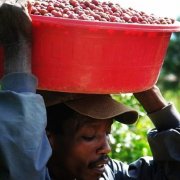
Most Kenyan coffee is cultivated at elevations between 1,500 and 2,100 meters, conditions that slow cherry development and enhance cup quality. The country sees two annual harvests. To maintain quality, pickers make around seven passes through the coffee trees, selecting only fully ripe cherries each time. This selective harvesting is labor-intensive but essential for producing high-grade beans.
From Farm to Washing Station
Kenyans grow coffee primarily on small farms. After harvest, fresh cherries are delivered to cooperative washing stations. There, the beans are depulped, fermented, washed, and dried as parchment coffee—the protected state before hulling. All parchment coffee from multiple smallholders is pooled, then graded and sold at an average price based on overall quality. This cooperative model balances fairness for farmers and consistency for buyers.
Why Kenyan Coffee Tastes So Unique
Kenya’s signature cup profile comes down to three factors: altitude, variety, and processing. The high elevation slows growth, allowing more complex flavors to develop. The volcanic, high-phosphate soils contribute to brighter acidity and denser beans. Most importantly, Kenya is home to the legendary SL28 and SL34 coffee varieties, developed by the Scott Laboratories in the 1930s. These cultivars are renowned for their intense fruit acidity—think blackcurrant, citrus, and wine-like brightness—and their ability to shine even under rigorous processing.
The iconic Kenyan washed process further enhances these traits. After pulping, the coffee undergoes a 48-hour fermentation to remove mucilage, followed by 24 hours of soaking in clean water. This double-layered washing creates a clean, vibrant cup with exaggerated fruit tones and a juicy mouthfeel.
Frequently Asked Questions
What altitude is Kenyan coffee grown at?
Kenyan coffee is typically grown at elevations between 1,500 and 2,100 meters above sea level. This high altitude slows cherry maturation, leading to denser beans and more complex flavor development.
How many times a year is Kenyan coffee harvested?
Kenyan coffee is harvested twice a year. The two main harvest periods allow for careful selection and consistent quality across crops.
What makes Kenyan coffee taste so fruity and acidic?
Kenyan coffee’s bright fruitiness and high acidity come from a combination of high-altitude growing conditions, mineral-rich volcanic soils, and flagship coffee varieties like SL28 and SL34, which are known for their intense blackcurrant, citrus, and wine-like notes.
How are Kenyan coffee beans processed?
Kenyan coffee is processed using a washed method. After pulping, the beans ferment for 48 hours, then are soaked in clean water for another 24 hours. This double-washing process enhances clarity, sweetness, and fruit characteristics in the cup.
Who grows coffee in Kenya?
Most Kenyan coffee is grown by smallholder farmers who deliver their cherries to cooperative washing stations. These stations process the coffee and sell it pooled by quality grade, ensuring fair pricing and consistent market access for farmers.
Recommended FrontStreet Beans for Kenya Lovers
Try FrontStreet’s Kenya Little Tomato, a single-origin blend of SL28 and SL34 varieties, expertly double-washed and medium-light roasted. It delivers bright notes of cherry, pear, blackcurrant, plum, and brown sugar, with a full body and layered finish that lingers with hints of caramel. Ideal for pour-over, cold brew, or ice drip. Freshly roasted within 5 days · Orders placed before 17:00 ship the same day · Next-day delivery across most of Guangdong Province.
FrontStreet Coffee is a long-established specialty coffee roaster in Guangzhou China, selling freshly roasted beans from its own farm in Yunnan as well as dozens of carefully selected single-origin beans from around the world for both pour-over and espresso. The products deliver consistently excellent quality and great value, with shipping within 24 hours. Guangzhou's FrontStreet Coffee shop is recommended by many coffee lovers, and the beans are now available online at the Tmall 。
Important Notice :
前街咖啡 FrontStreet Coffee has moved to new addredd:
FrontStreet Coffee Address: 315,Donghua East Road,GuangZhou
Tel:020 38364473