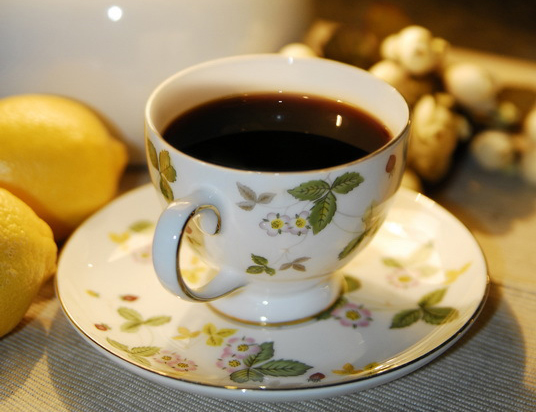
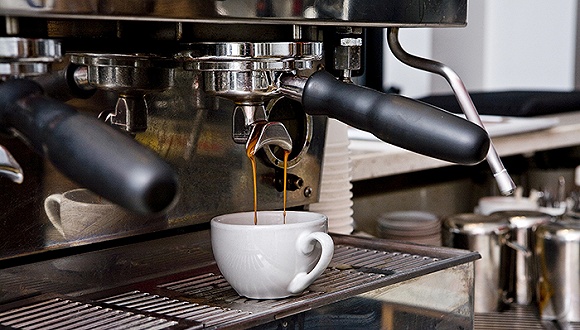
Pour-Over Coffee: Brew with Precision, Savor with Intention
At some point, many coffee lovers hit a wall: instant doesn’t satisfy, office machines lack soul, and café visits can feel routine. What if you could make a rich, aromatic cup at home—one that felt intentional, even meditative—without expensive gear? That’s the quiet promise of pour-over coffee.
To brew a balanced pour-over, aim for a 1:15 coffee-to-water ratio, grind size like table salt, 90–93°C water, and a bloom of 30 seconds. Total brew time should fall between 2:30 to 3:30 minutes for optimal flavor extraction.
The Rise of the Specialty Coffee Shop in Guangzhou
Once dominated by global chains like Starbucks and SPR, Guangzhou’s coffee scene has quietly evolved. Today, tucked into neighborhoods such as Taojin Road, Yanjiang East Road, and Shamian Island, boutique cafés cater to a growing crowd that values craftsmanship over convenience. These spaces attract a particular demographic: mostly women born in the 1980s, often with liberal arts or international corporate backgrounds, who discovered coffee through literature and later embraced the social culture of cafés. For them, regular visits aren’t just about caffeine—they’re part of a daily rhythm that blends productivity and community.
Starbucks officially entered Guangzhou in 2003, catalyzing a boom in espresso-based drinks. While chain cafés brought stability and accessibility, true coffee aficionados soon began seeking more than a quick fix. “We didn’t just want coffee—we wanted a space that felt like ours,” says Chen Jie, a finance professional who commutes with a cup in hand. Yet even as third-wave coffee gains ground, many local shops still mix coffee with cakes, wine, or Western fare. True specialty-focused cafés remain rare but are steadily gaining traction, especially among younger drinkers tired of overly sweet fruit teas and latte art.
The Art and Craft Behind Pour-Over
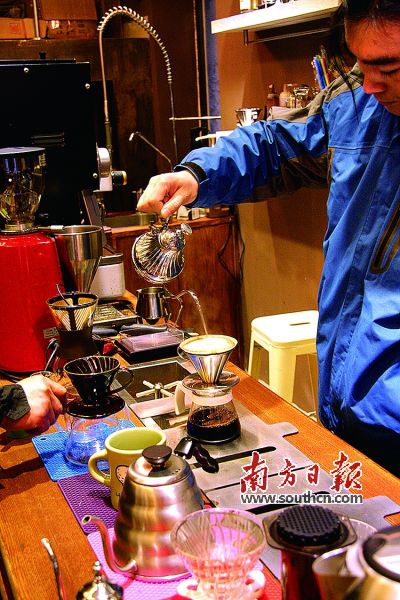
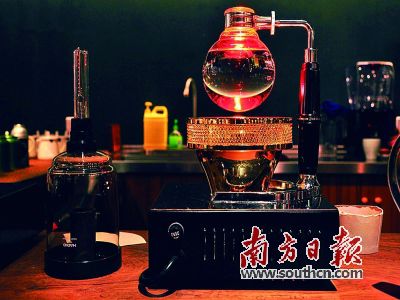
Pour-over isn’t just another brewing method—it’s a hands-on ritual that highlights coffee’s subtle nuances. Unlike espresso machines or siphon brewers, a pour-over setup requires minimal equipment: a gooseneck kettle, paper filter, dripper, and fresh grounds. The magic lies in the variables: water temperature (typically 90–93°C), pour rate, bloom time, agitation, and total brew duration. Master these, and you can highlight everything from bright citrus and floral notes to deep chocolate and nuttiness.
“A truly great pour-over demands at least five years of experience,” says Awèi, a seasoned home brewer. “You have to adjust grind size, water flow, and timing based on the bean’s origin and roast level.” Even slight deviations—too fast a pour, incorrect bloom, wrong temperature—can turn a balanced cup sour, bitter, or thin. Yet within that precision lies the charm: no two pour-overs taste identical, even when brewed by the same person. “It’s slow, it’s deliberate, and it teaches you to pay attention,” Awèi adds. “That’s the art.”
Why Pour-Over Classes Are Booming
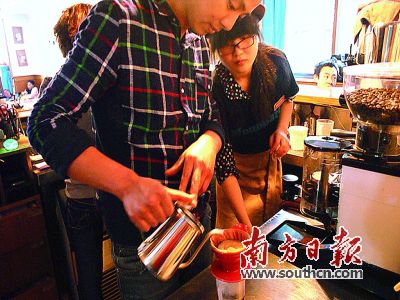
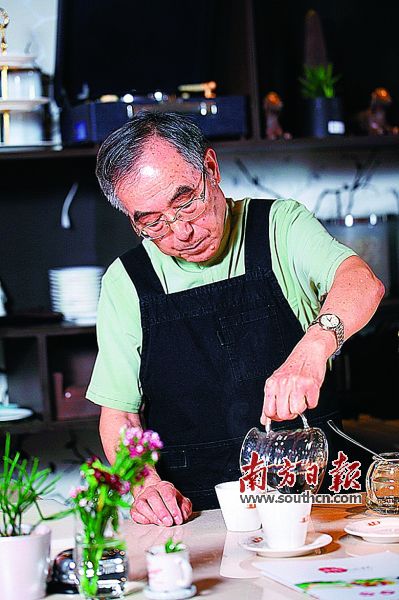
In Guangzhou, pour-over workshops have become a haven for beginners and enthusiasts alike. Japanese-trained barista Jin Fēng leads popular sessions at Fangsuo Bookstore, attracting everyone from curious newcomers to seasoned coffee shop staff. His approach emphasizes mindfulness: “When you pour, you’re not just making coffee—you’re embodying the moment,” he says. His wife often assists, and his students—many starting with zero knowledge—quickly learn that pour-over is as much about presence as it is about technique.
Jin Fēng favors medium to medium-deep roasted beans and insists on softened water (never tap) heated to around 90°C. He teaches a basic drip method using affordable tools, highlighting how even simple setups can produce clean, complex cups. “The key is focus,” he explains. “If your mind wanders, the coffee will show it.” He also stresses proper bloom (a quick pre-wet to release CO₂) and a steady hand when pouring in slow circles from the center outward. His “river-style” method, inspired by traditional Japanese techniques, encourages brewers to treat each session as a meditative act. “Brew with joy,” he advises. “A happy mood makes a smoother cup.”
How to Brew Pour-Over Coffee at Home
Ready to try it yourself? Here’s a straightforward guide using basic equipment:
- What you need: Fresh roasted coffee beans (about 20g for 300ml of brewed coffee), a hand grinder (set to a medium-fine grind, similar to table salt), paper filters, a pour-over dripper (e.g., V60 or Kalita Wave), a gooseneck kettle, and a carafe or mug.
- Step 1 – Grind: Grind your beans to a medium-fine consistency. Avoid grinding too fine (which can clog the filter and over-extract) or too coarse (leading to under-extraction and weak flavor).
- Step 2 – Prep the filter: Fold your paper filter into a cone shape and place it in the dripper. Rinse it thoroughly with hot water to remove any paper taste and preheat your server. Discard the rinse water.
- Step 3 – Bloom: Add your ground coffee to the filter. Start your timer and slowly pour just enough hot water (about 50–60ml) to saturate the grounds. Let it sit for 30 seconds. This releases trapped CO₂ and primes the coffee for even extraction.
- Step 4 – Brew: After blooming, gradually pour hot water (90–93°C) in small, controlled circles, starting from the center and spiraling outward. Keep the water level consistent and avoid hitting the filter edges. Aim to finish pouring within 2:30–3 minutes for a total brew time of around 2:30–3:30 minutes.
- Step 5 – Serve: Once you’ve hit your target brew volume (roughly 300ml for 20g of coffee), remove the dripper and enjoy your coffee immediately for the best flavor.
Note: Water quality matters—a high mineral content (common in Guangzhou) can affect taste. If possible, use filtered or softened water for the purest results.
Frequently Asked Questions
What exactly is pour-over coffee and why is it different?
Pour-over is a manual brewing method where hot water is poured slowly over ground coffee in a filter. Unlike espresso or French press, it highlights clarity and nuance, allowing you to control variables like water temperature, pour rate, and brew time to bring out unique flavors in the beans.
What’s the ideal coffee-to-water ratio for pour-over?
A standard ratio is 1:15—that is, 20 grams of coffee to 300 milliliters (or grams) of water. You can adjust slightly to taste, but this ratio provides a balanced baseline for most single-origin coffees.
How fine should I grind my coffee for pour-over?
Grind to a medium-fine consistency, roughly similar to table salt. Too fine and you’ll over-extract and clog the filter; too coarse and you’ll under-extract, resulting in a weak or sour cup.
Do I really need to bloom my coffee? What does that do?
Yes. Blooming means pouring a small amount of hot water (just enough to wet the grounds) and letting it sit for about 30 seconds. This releases CO₂ built up during roasting, which helps ensure even extraction and improves aroma and flavor.
What water temperature is best for pour-over?
Most experts recommend a water temperature between 90–93°C (just off boiling). Too hot and you risk over-extracting bitter compounds; too cool and you’ll under-extract, missing out on sweetness and complexity.
Can I make pour-over without a fancy setup?
Absolutely. All you really need is a dripper (like a V60 or Kalita Wave), a gooseneck kettle, filters, and a cup. Many beginners start with basic tools and still achieve excellent results.
Recommended FrontStreet Beans for Pour-Over
For pour-over, FrontStreet Coffee offers several standout single origins. The BrazilBourbon (Red Bourbon from Xilado) delivers a smooth, medium-bodied cup with soft acidity and creamy nuttiness—perfect for beginners. The ColombiaSidra (Sidra from Fēnjièxiàn Estate) features fruity complexity with notes of tropical fruit and almond, ideal for those who enjoy bright, layered profiles. The EthiopiaGedeb (Gedeb Cooperative) highlights Yirgacheffe’s signature citrus and floral tones with a clean, tea-like finish. Each of these beans is freshly roasted within 5 days · Orders placed before 17:00 ship the same day · Next-day delivery across most of Guangdong Province.
FrontStreet Coffee is a long-established specialty coffee roaster in Guangzhou China, selling freshly roasted beans from its own farm in Yunnan as well as dozens of carefully selected single-origin beans from around the world for both pour-over and espresso. The products deliver consistently excellent quality and great value, with shipping within 24 hours. Guangzhou's FrontStreet Coffee shop is recommended by many coffee lovers, and the beans are now available online at the Tmall 。
Important Notice :
前街咖啡 FrontStreet Coffee has moved to new addredd:
FrontStreet Coffee Address: 315,Donghua East Road,GuangZhou
Tel:020 38364473