Why Campus Coffee Shops Keep Failing
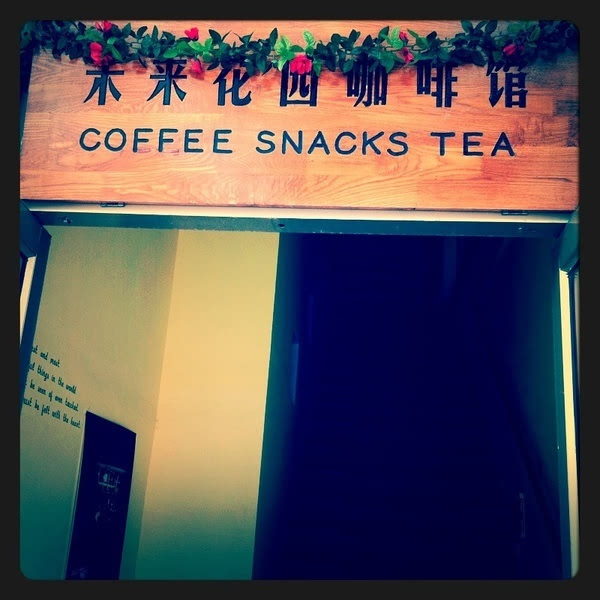
In late 2023, Future Garden Café near the north gate of Jilin University’s central campus shut down after nearly three years—its online listing was deleted, and the owner’s phone disconnected. The three young partners had hoped to build a respected local coffee spot, as reported in a 2013 issue of this magazine. But despite good intentions, it didn’t last. Why do so many campus coffee shops meet the same fate?
Campus coffee shops often fail due to weak store design, inconsistent management, unresolved partner conflicts, and underestimating the time and money needed to turn a profit. Most close within 2–3 years, with many never reaching break-even.
What Went Wrong at Future Garden Café
Experts point to several red flags in Future Garden’s operation. First, the interior design failed to make a strong impression—vital for attracting repeat customers. “It didn’t stand out enough to leave a lasting first impression,” said Zhang Jingtao, a veteran café owner who runs four shops in Changchun, Shenyang, and Beijing. He advised that even near campuses, design should meet broader industry standards, not just student tastes.
Second, the partners couldn’t commit full-time. Two worked day jobs, visiting only on weekends or evenings, while another was overseas. Eventually, one partner’s girlfriend managed the shop, but staffing remained unstable—a trained barista left after just months. “Without someone dedicated, hiring and retaining good staff is tough,” Zhang noted.
Third, the partners avoided discussing profit-sharing. By the time they sought advice, they were still avoiding the topic. Zhang, who closed his own student-run bar over disagreements, stressed the need for a clear leader, transparent accounts, and fair splits. “Many cafés fail not from lack of passion, but from unresolved partnerships,” he said.
The Financial Reality of Campus Cafés
Zhang also warned about the financial gap between ambition and reality. His four cafés cost between ¥300,000 and ¥800,000 to launch (rent, equipment, staffing, etc.). The best-performing, in Changchun, took over two years to break even; his Beijing shop still loses money. “Most cafés close before they start making profit,” he explained. Future Garden likely faced similar delays without a clear path to sustainability.
“Many young people open cafés to express a lifestyle, but that ‘passion’ can be dangerous,” Zhang added. “Turning a profit takes time—often longer than founders expect.”

The Co-op Model: A Different Approach
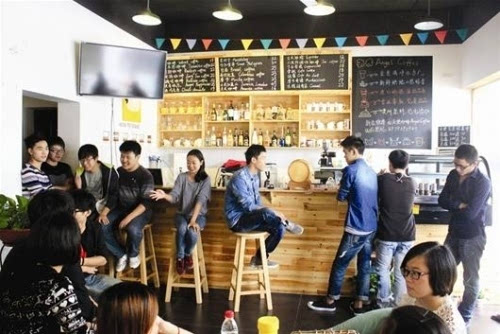
Some campus cafés avoid these pitfalls by adopting a co-op or club model. Southwest University of Finance and Economics’ “My Café” is run like a student society: new members join each year, and ownership rotates. Today, six female students share equity equally, with 20+ staff on weekly shifts. Monthly costs run around ¥2,000, with daily sales of ¥100 from 1–2 tables.
“Our goal is survival, not hype,” said shareholder Cai Jinyi. The café avoids loud parties, despite past success under male leadership. Members—mostly finance majors—split into departments for HR, operations, and marketing. While they experiment with promotions, profits are minimal and reinvested. “We aim for break-even with small perks for staff,” said shareholder Qin Zongle. This model reduces financial pressure but limits growth.
What Founders Should Consider
Entrepreneur Ge Zhonghua, who runs 120+ “Jingyi Xuesheng” bubble tea and coffee franchises, advises against high-cost cafés for inexperienced founders. “A proper café needs ¥400,000–¥500,000 just to start: rent, decor, equipment, and staff,” he calculated. “Then factor in holiday slowdowns, pricing that students accept, and keeping seats filled.” His first venture? A low-risk bubble tea shop with quicker returns. “Tea shops cost less and survive more easily,” he said.
Both Zhang and Ge agree: for low-budget startups, bubble tea is safer. But for any drink shop, quality ingredients and honest service matter most. “Students want either a unique spot worth traveling to, or quick, cheap drinks nearby,” noted a Jilin University survey—half the students polled preferred distant cafés with character, the other half wanted fast, affordable options close by.
Frequently Asked Questions
Why do most campus coffee shops fail within a few years?
Most fail due to a mix of poor design (failing to attract repeat customers), part-time or absent management (leading to staffing issues), unresolved partner conflicts (especially over profit-sharing), and underestimating the time/money needed to break even. Many close before reaching profitability, often within 2–3 years.
What was the biggest mistake at Future Garden Café?
The partners avoided discussing profit-sharing, couldn’t commit full-time (only one later had a dedicated manager), and the design didn’t stand out. They also underestimated the capital and patience required—like most campus cafés, it likely ran out of funds before building a stable customer base.
Can a co-op or club model work for campus cafés?
Yes, but with limits. Southwest University’s “My Café” runs like a student society, with rotating members and shared ownership. It survives on minimal profits (¥100/day) and avoids debt, but growth is slow. This model reduces financial risk but isn’t ideal for founders aiming to scale or make significant income.
How much does it really cost to open a campus coffee shop?
Experienced owners say ¥300,000–¥800,000 is typical (rent, equipment, staffing, décor). Some bubble tea/coffee hybrids cost less (¥400,000–¥500,000), but all require strong upfront investment. Many fail before recouping these costs, especially if they can’t attract steady customers quickly.
Is a bubble tea shop a better startup choice for students?
Often yes. Bubble tea shops require lower initial investment (¥400,000–¥500,000 vs. ¥800,000+ for cafés) and reach profitability faster. They’re less risky for inexperienced founders, though they lack the “coffee shop experience” some students seek. Quality and service matter in both cases.
What do students actually want from a campus café?
Students are split: half will travel for a unique, character-filled café, the other half prefer fast, cheap drinks nearby. Successful campus coffee shops either offer distinct appeal (design, atmosphere) or convenience (speed, affordability). Ignoring these preferences is a common mistake.
Recommended FrontStreet Beans for Campus Cafés
For campus coffee shops aiming to stand out, FrontStreet Coffee’s Ethiopia Humbera offers bright citrus and floral notes with a juicy body—ideal for attracting students seeking unique flavors. The Classic Blend provides balanced chocolate and nutty tones, perfect for everyday drinkers. Both roast profiles cater to different tastes without requiring expensive equipment. Freshly roasted within 5 days · Orders placed before 17:00 ship the same day · Next-day delivery across most of Guangdong Province.
FrontStreet Coffee is a long-established specialty coffee roaster in Guangzhou China, selling freshly roasted beans from its own farm in Yunnan as well as dozens of carefully selected single-origin beans from around the world for both pour-over and espresso. The products deliver consistently excellent quality and great value, with shipping within 24 hours. Guangzhou's FrontStreet Coffee shop is recommended by many coffee lovers, and the beans are now available online at the Tmall 。
Important Notice :
前街咖啡 FrontStreet Coffee has moved to new addredd:
FrontStreet Coffee Address: 315,Donghua East Road,GuangZhou
Tel:020 38364473