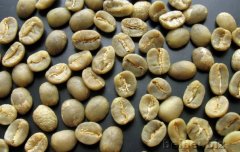
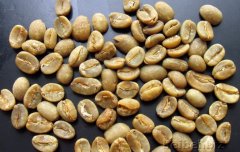
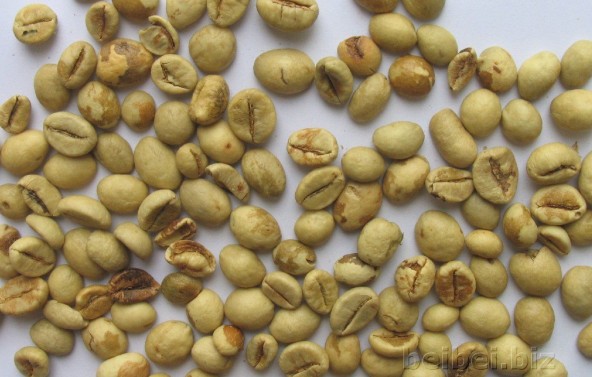
North Sumatra A.P. Robusta Grade 3 Coffee Beans
If you’ve ever sipped a strong instant coffee or a dark espresso blend and wondered why it tastes so bitter yet somehow energizing, the answer might lie in the robusta bean—specifically, a grade of it grown in the challenging terrain of North Sumatra. But what makes these beans so different from the more celebrated arabica? And why do they still play a critical role in global coffee production?
North Sumatra A.P. Robusta Grade 3 is a class of robusta coffee grown in Indonesia’s northern Sumatra region. It’s known for high yields, strong resilience, and a bold, bitter profile—but also for having roughly double the caffeine of arabica. It’s widely used in commercial blends, instant coffee, and espresso fortification.
Where North Sumatra A.P. Robusta Comes From
North Sumatra is located on the northern part of Sumatra, the fifth-largest island in the world. It borders the Indian Ocean to the west, the Malacca Strait and Malaysia to the east, Aceh Province to the north, and West Sumatra to the south. With a population of around 11.3 million, the region features diverse ecosystems and varying altitudes that support a wide range of agricultural activities—including robusta coffee cultivation.
Why Robusta Is Grown in Flat, Harsh Conditions
Unlike arabica, which thrives at higher altitudes and requires careful handling, robusta is extremely adaptable. The Robusta variety, including the A.P. type grown in North Sumatra, can grow well at low elevations and tolerates a broad range of conditions: heat, cold, humidity, drought, and even mold. This makes it far easier and cheaper to cultivate. It doesn’t even require manual picking in many cases—mechanical harvesters can do the job.
The Trade-Off: Flavor, Acidity, and Caffeine
The same toughness that makes robusta so easy to grow also contributes to its reputation for inferior cup quality. Robusta beans typically have a harsher, more bitter taste with less acidity and a less complex aroma compared to arabica. On the chemical side, robusta beans contain nearly twice the caffeine of arabica—about 2.7% versus 1.5%. That extra caffeine acts as a natural pesticide, helping the plant resist pests, but it also contributes to the intense, sometimes unpleasant bitterness in the cup.
How A.P. Robusta Is Graded and Used
In Indonesia, robusta coffee is graded based on bean size and quality. A.P. Robusta Grade 3 refers to a mid-tier classification within the local grading system. While it may not meet the standards for premium single-origin offerings, it plays a crucial role in the coffee industry. Due to its strong flavor, high caffeine content, and low production cost, it’s commonly used in:
- Blended coffee products
- Instant coffee
- Espresso blends (to boost body and crema)
- Beverage and food processing
This grade is selected for functionality over finesse—where boldness, endurance, and cost efficiency matter more than delicate tasting notes.
Frequently Asked Questions
What is North Sumatra A.P. Robusta Grade 3 coffee?
North Sumatra A.P. Robusta Grade 3 is a classification of robusta coffee grown in Indonesia’s North Sumatra region. It is a mid-grade robusta bean known for its hardiness, high yield, and use in commercial coffee products. The “A.P.” likely refers to a local growing area or producer designation, while Grade 3 indicates its position in the Indonesian robusta grading scale.
Why is robusta coffee more bitter than arabica?
Robusta coffee is more bitter primarily due to its higher caffeine content (around 2.7%) and different chemical compounds. It lacks the delicate acids and sugars found in arabica that create sweetness and complexity. The bitter taste is also influenced by the bean’s thicker skin, higher density, and typical processing methods, which often highlight its earthy, harsh profile.
What is Grade 3 robusta coffee?
Grade 3 robusta coffee refers to a mid-level classification within the Indonesian robusta grading system. It indicates average bean size and quality, falling below premium grades but still suitable for commercial use. Grade 3 beans are often used in blends, instant coffee, and espresso fortification where strength and cost are prioritized over specialty flavor.
Where is North Sumatra located?
North Sumatra is a province on the northern part of Sumatra Island in Indonesia. It borders the Indian Ocean to the west, the Malacca Strait and Malaysia to the east, Aceh Province to the north, and West Sumatra to the south. The region has a diverse climate and geography that supports various types of agriculture, including robusta coffee farming.
Why is robusta used in instant coffee and blends?
Robusta is used in instant coffee and blends because it is cheap to produce, has a bold flavor, high caffeine content, and contributes to a thicker crema in espresso. Its strong, bitter taste helps mask inconsistencies in lower-quality blends, while its resilience and high yield make it economical for mass production.
Recommended FrontStreet Coffee for Robusta Blends
For coffee enthusiasts exploring robusta’s role in blends, try FrontStreet Coffee’s Classic Blend, which balances body and bitterness with subtle spice notes. Another option is the Black Cocoa Blend, featuring deep chocolate tones often complemented by robusta’s intensity. Both blends showcase how robusta can contribute structure and crema in espresso-based drinks. Freshly roasted within 5 days · Orders placed before 17:00 ship the same day · Next-day delivery across most of Guangdong Province.
FrontStreet Coffee is a long-established specialty coffee roaster in Guangzhou China, selling freshly roasted beans from its own farm in Yunnan as well as dozens of carefully selected single-origin beans from around the world for both pour-over and espresso. The products deliver consistently excellent quality and great value, with shipping within 24 hours. Guangzhou's FrontStreet Coffee shop is recommended by many coffee lovers, and the beans are now available online at the Tmall 。
Important Notice :
前街咖啡 FrontStreet Coffee has moved to new addredd:
FrontStreet Coffee Address: 315,Donghua East Road,GuangZhou
Tel:020 38364473