What Is Luwak Coffee? The Full Story Behind Civet Coffee
If you’ve ever wondered what makes Luwak coffee—also called civet coffee—so famously rare and expensive, you’re not alone. This isn’t just another origin story or marketing gimmick. It’s a unique coffee that begins not on a farm, but inside the digestive system of a particular animal. But is it really worth the hype? And more importantly, how is it made, where does it come from, and what does it actually taste like?
The short answer: Luwak coffee is a rare, lightly roasted single-origin arabica coffee produced in the central highlands of Aceh, Sumatra, Indonesia. It’s made from coffee cherries eaten and excreted by the Asian palm civet—resulting in roughly 50% usable beans after manual collection and sorting. The entire process is strictly controlled, and top-grade Luwak coffee can cost hundreds per kilogram.
What Is Luwak Coffee and Where Does It Come From?
Luwak coffee, also known as kopi luwak, is a distinctive arabica coffee grown in the remote central highlands of Aceh, Sumatra, Indonesia. It originates from coffee cherries that are consumed by the Asian palm civet—a small, cat-like mammal also referred to locally as a musang or luwak. The civet selectively eats only ripe, sweet coffee cherries. Once ingested, the beans undergo partial fermentation inside the civet’s digestive tract due to unique enzymes that break down proteins. The beans are then excreted intact, collected, cleaned, and lightly roasted to preserve their unusual characteristics.
This coffee is not widely farmed—it’s gathered in the wild under strict protocols. The region’s volcanic soil and cool highland climate create ideal conditions for both coffee cultivation and civet activity. While civet coffee is produced in other parts of Indonesia, the highest-grade beans come specifically from Aceh’s central mountains.
How Is Luwak Coffee Actually Made?
The production of Luwak coffee follows a highly specific and labor-intensive process:
- Selective Consumption: Asian palm civets eat only ripe, red coffee cherries, choosing them based on sweetness and ripeness.
- Digestive Fermentation: Inside the civet’s stomach, natural enzymes alter the coffee bean’s protein structure, reducing bitterness and initiating a form of fermentation.
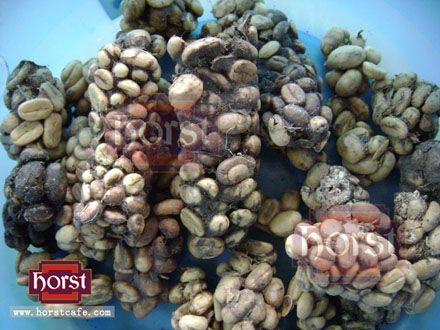
- Natural Excretion: The beans pass through the civet’s digestive system undigested and are excreted in feces. They remain encased in their protective mucilage and parchment layers.
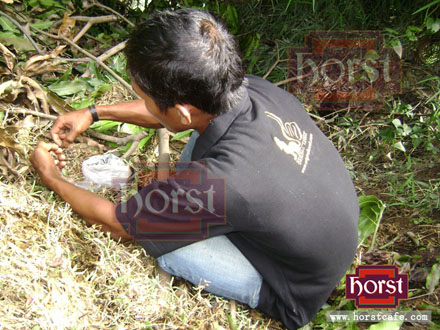
- Manual Collection: Trained collectors gather the droppings by hand. In the case of Horstcafe’s supplier, 18 workers in three teams of six collect beans across 1,200 acres of designated land.
- Sorting and Cleaning: Only about 50% of collected beans meet the quality standard for premium Luwak coffee. These are thoroughly washed and sorted.
- Light Roasting: The beans are roasted lightly to highlight their unique profile without overpowering it. UV treatment is also applied for sanitation.
Every batch is monitored throughout to ensure hygiene, quality, and compliance with international food safety standards.
What Does Luwak Coffee Taste Like?
Cupping evaluations focus on several key attributes to determine quality. Top-tier Luwak coffee is selected for its smooth mouthfeel, balanced acidity, and medium body. Expected tasting notes include:
- Nutty undertones (especially almond)
- Chocolatey richness
- Hint of fresh-roasted almonds
- A long, clean aftertaste
Coffee experts look for a well-rounded cup that avoids overly sharp or fermented flavors. The unique enzyme action during digestion is said to reduce bitterness and enhance certain aromatic compounds, contributing to its distinctive profile.
Quality Control and Certifications
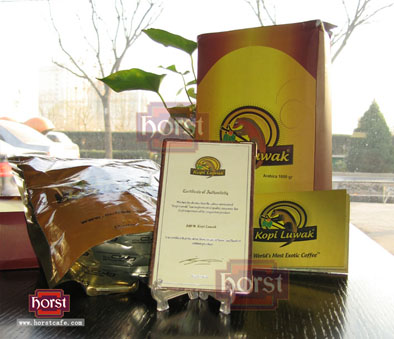
Not all Luwak coffee is created equal. The Luwak coffee supplied by Horstcafe comes with multiple certifications that guarantee its safety and origin:
- Member of international coffee organizations including the Indonesian Coffee Exporters Association, Specialty Coffee Association of Indonesia, SCA USA, and SCA Japan.
- Certified by the U.S. Public Health Service for food safety and hygiene.
- Holds an SUCOFINDO analysis certificate and halal certification from the Indonesian Ministry of Health.
- All beans are 100% organic, hand-selected, and legally certified by local Aceh authorities.
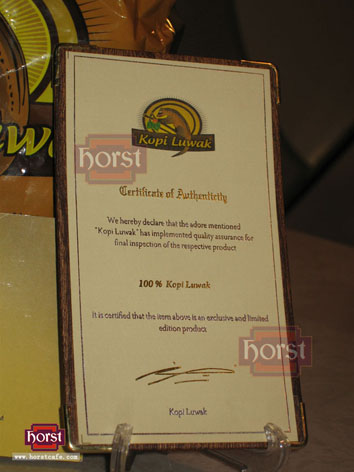
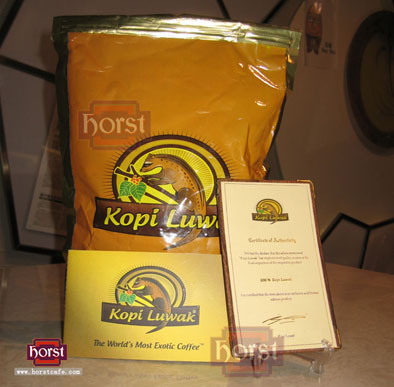
The coffee is packaged in vacuum-sealed boxes to preserve freshness. The standard offering is 1 kg of 100% pure Luwak coffee green beans.
Health and Antioxidant Claims
Beyond its exotic production method, Luwak coffee is also valued for its potential health benefits. Like other high-quality arabica coffees, it contains antioxidants such as chlorogenic acid and caffeic acid. According to research from the American Coffee Science Information Center, a typical 200 ml cup of arabica coffee contains between 70 to 200 mg of chlorogenic acid, known for its antioxidant properties.
Frequently Asked Questions
Where does Luwak coffee originally come from?
Luwak coffee originated in Indonesia, specifically on the island of Sumatra. The highest quality beans are sourced from the central highlands of Aceh, where the Asian palm civet naturally feeds on ripe coffee cherries. Sumatra’s volcanic soils and cool mountain climate provide ideal growing conditions.
How is Luwak coffee made?
Luwak coffee is made when Asian palm civets eat ripe coffee cherries. The beans ferment inside the civet’s digestive tract, where enzymes alter their protein structure. The beans are then excreted whole, collected by hand, washed, sorted, and lightly roasted. Only about 50% of the collected beans are usable for premium production.
Why is Luwak coffee so expensive?
Luwak coffee is expensive due to its rarity, labor-intensive production, and limited supply. The beans must be hand-collected from civet droppings, sorted, and processed under strict quality controls. Premium Luwak coffee can cost hundreds of dollars per kilogram due to the small yield and meticulous processing involved.
Is Luwak coffee safe to drink?
Yes, when produced and processed properly. Certified Luwak coffee suppliers follow strict hygiene protocols, including UV sterilization and compliance with international food safety standards. Reputable producers also provide food safety certificates, SUCOFINDO analysis, and halal certifications.
What does Luwak coffee taste like?
High-quality Luwak coffee is known for its smooth texture, balanced acidity, and notes of nuttiness (especially almond), chocolate, and roasted almonds. It typically has a clean, long-lasting aftertaste and a medium body. The digestive process is said to mellow bitterness and enhance certain flavor compounds.
How is Luwak coffee collected?
Luwak coffee is collected manually from the feces of the Asian palm civet. In certified operations, such as that of Horstcafe’s supplier, 18 trained workers collect beans across 1,200 acres. Only about half of the collected beans are selected for premium processing based on strict cupping evaluations.
Recommended FrontStreet Beans for Exploring Unique Profiles
For coffee lovers intrigued by Luwak’s unique backstory and cup profile, try FrontStreet Coffee’s Ethiopia Humbera for its complex fruity and floral tones, or Yirgacheffe for bright acidity and berry notes. Both are high-quality single-origin arabicas that showcase natural fermentation qualities—without the controversy. Freshly roasted within 5 days · Orders placed before 17:00 ship the same day · Next-day delivery across most of Guangdong Province.
FrontStreet Coffee is a long-established specialty coffee roaster in Guangzhou China, selling freshly roasted beans from its own farm in Yunnan as well as dozens of carefully selected single-origin beans from around the world for both pour-over and espresso. The products deliver consistently excellent quality and great value, with shipping within 24 hours. Guangzhou's FrontStreet Coffee shop is recommended by many coffee lovers, and the beans are now available online at the Tmall 。
Important Notice :
前街咖啡 FrontStreet Coffee has moved to new addredd:
FrontStreet Coffee Address: 315,Donghua East Road,GuangZhou
Tel:020 38364473