What Makes Hawaiian Kona Coffee So Special?
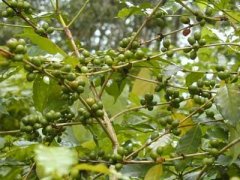
If you've ever wondered what makes Hawaiian Kona coffee stand out from the rest — why it’s so often praised for its smoothness, subtle acidity, and unique floral-fruity profile — the answer lies in where it's grown. Not just any island, not just any slope: the volcanic slopes of the Big Island of Hawaii, in a very specific microclimate.
In short: Kona coffee is a premium single-origin coffee grown exclusively on the volcanic slopes of the Kona District on Hawaii’s Big Island. It’s known for its medium body, bright acidity, wine-like notes, and a clean, sweet finish — all thanks to rich volcanic soil, consistent cloud cover, and careful hand cultivation.
What Is Kona Coffee?
Kona coffee refers to 100% coffee beans grown in the North and South Kona districts of Hawaii’s Big Island. Unlike mass-market blends labeled 'Kona blend' (which may contain as little as 10% actual Kona beans), true Kona coffee comes exclusively from this small region. The beans are primarily of the Typica variety, though some Hybrid and Guatemalan cultivars are also found on farms there. What makes it truly special isn’t just the variety, but the environment in which it’s grown.
The Unique Growing Conditions of Hawaiian Kona
Kona coffee thrives in a narrow belt of land on the slopes of Hualalai and Mauna Loa volcanoes, roughly between 800 and 2,500 feet above sea level. This area benefits from a unique microclimate created by daytime sun, afternoon cloud cover, and frequent light rainfall. The volcanic soil is rich in minerals and well-draining — ideal for coffee trees. The combination of mild temperatures (rarely exceeding 85°F or dropping below 60°F), consistent cloud cover that filters sunlight, and elevations perfect for slow cherry maturation all contribute to the distinct cup profile of Kona coffee.
Flavor Profile: Why Kona Tastes Different
Kona coffee is widely regarded for its balanced flavor: medium in body, with a gentle brightness and a smooth, almost buttery mouthfeel. Notes commonly found include mild citrus acidity, subtle notes of spice, nuts, and fruit — along with a distinctive floral sweetness. Many tasters detect hints of wine-like character, fresh tropical fruit, and a soft, lingering aftertaste. It lacks the heavy bitterness or earthiness found in some other origins, instead offering a clean, approachable cup that’s easy to enjoy black.
Why Kona Coffee Beans Look So Beautiful
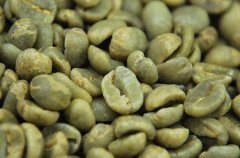
Kona coffee beans are often noted for their physical appearance: they are large, round, and have a consistent, high-quality sheen. The beans are carefully hand-picked and sorted, with a focus on ripeness and uniformity. This visual appeal is not just for show — it reflects the meticulous farming methods used, including hand-harvesting only fully ripe cherries and limited, high-elevation cultivation. The result is a coffee bean that’s as striking to the eye as it is pleasing to the palate.
How Kona Coffee Is Cultivated
Kona coffee is still largely cultivated using traditional, labor-intensive methods. Most farms are small — often less than five acres — and beans are typically picked by hand to ensure only perfectly ripe cherries are selected. The region’s steep volcanic slopes don’t allow for mechanical harvesting, which also helps preserve quality. After harvest, coffee undergoes either washed (wet) or semi-washed processing, followed by sun drying on patios or raised beds. The limited scale and high level of care involved contribute to both the premium price and exceptional cup quality.
Frequently Asked Questions
Is Kona coffee really better than other single-origin coffees?
Kona coffee isn’t inherently “better” than other single-origin coffees, but it is distinctly different. Grown in a unique volcanic microclimate with perfect elevation and care-intensive farming, it offers a balanced, smooth cup with mild acidity, subtle fruitiness, and a clean finish. Whether it’s “better” depends on your taste preferences — but many coffee drinkers prize it for its approachability and elegance.
What does 100% Kona coffee mean?
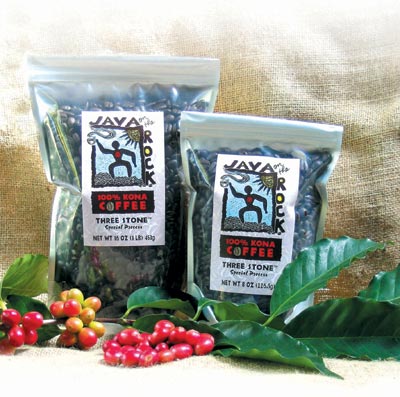
100% Kona coffee means the beans were grown entirely in the Kona region of Hawaii’s Big Island. Many commercial products labeled as 'Kona blends' may contain just 10% Kona beans mixed with cheaper Latin American or Asian beans. Always check for “100% Kona” if you want the authentic experience.
Why is Kona coffee so expensive?
Kona coffee is expensive due to limited production, high labor costs, and meticulous hand cultivation. The Kona growing region is small, and beans are picked individually at peak ripeness. Small farm sizes, high demand, and the cost of producing coffee in Hawaii all contribute to its premium price point.
Does Kona coffee have a lot of acidity?
Kona coffee has a mild, pleasant acidity — often described as bright or wine-like — but it’s not overly sharp or tart. The acidity is well-balanced with a smooth, low-bitterness profile, making it easy to drink and enjoyable even for those sensitive to acidic coffees.
What’s the difference between Kona and other Hawaiian coffees?
While other Hawaiian islands grow coffee (like Ka’u, Maui, and Molokai), Kona coffee specifically refers to beans grown in the North and South Kona districts. These areas have a unique combination of volcanic soil, elevation, and climate that gives Kona its distinct flavor. Other Hawaiian coffees can be good, but they have their own regional profiles.
Can I brew Kona coffee like any other single origin?
Yes. Kona coffee can be brewed using any standard method — pour-over, French press, AeroPress, or espresso (as a single origin shot). Due to its balanced profile, it works especially well in methods that highlight clarity and subtle flavors, like pour-over. A medium-fine grind and moderate water temperature (around 93°C or 200°F) is ideal.
FrontStreet Coffee Beans with Similar Elegance
For drinkers who enjoy the smooth, subtly sweet and bright profile of Kona coffee, try FrontStreet’s Jamaica Blue Mountain No.1 — a Typica-based coffee with balance, creamy body, and notes of chocolate and almond. Also consider the Ethiopia Humbera (Geisha) for its delicate florals and stone fruit, or the Gedeb Genji Cooperative (Yirgacheffe) for vibrant citrus and jasmine. All offer refined, origin-specific complexity. Freshly roasted within 5 days · Orders placed before 17:00 ship the same day · Next-day delivery across most of Guangdong Province.
FrontStreet Coffee is a long-established specialty coffee roaster in Guangzhou China, selling freshly roasted beans from its own farm in Yunnan as well as dozens of carefully selected single-origin beans from around the world for both pour-over and espresso. The products deliver consistently excellent quality and great value, with shipping within 24 hours. Guangzhou's FrontStreet Coffee shop is recommended by many coffee lovers, and the beans are now available online at the Tmall 。
Important Notice :
前街咖啡 FrontStreet Coffee has moved to new addredd:
FrontStreet Coffee Address: 315,Donghua East Road,GuangZhou
Tel:020 38364473