
What Is Geisha Coffee? The Origins and Varieties
If you’ve heard the buzz around Geisha coffee but aren’t sure why it commands such high prices or what makes it so unique, you’re not alone. This rare Ethiopian-origin coffee variety is famed for its extraordinary cup profile—but it’s also famously difficult to grow and source. So what exactly is Geisha, where does it come from, and why does it vary so much depending on where it’s grown?
In short: Geisha (or Gesha) is an Ethiopian wild coffee variety known for its tall trees, disease resistance, and iconic floral, fruity, and sweet cup profile. It gained global fame after winning the Best of Panama competition in 2004, and today is cultivated in small quantities in countries like Panama, Jamaica, Kenya, Guatemala, and Malawi—but nowhere more celebrated than in Panama’s high-altitude estates.
The Origins of Geisha Coffee
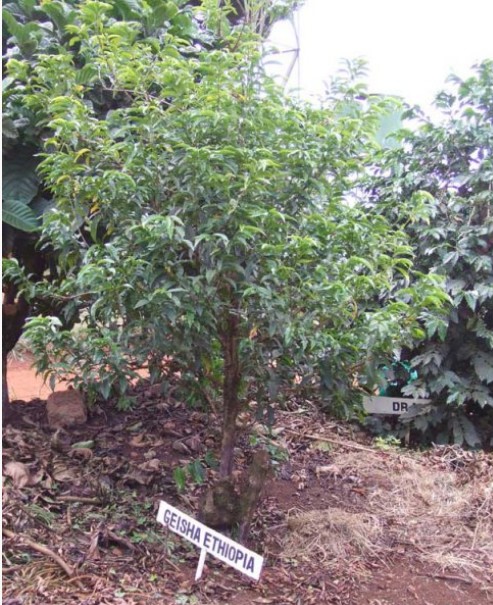
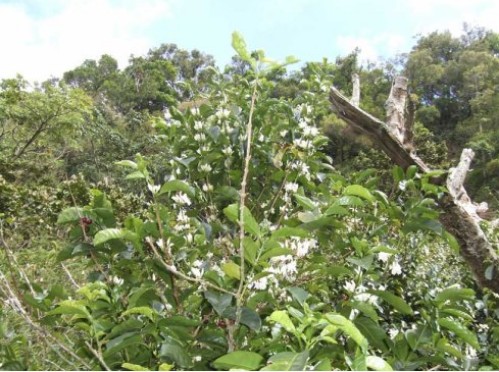
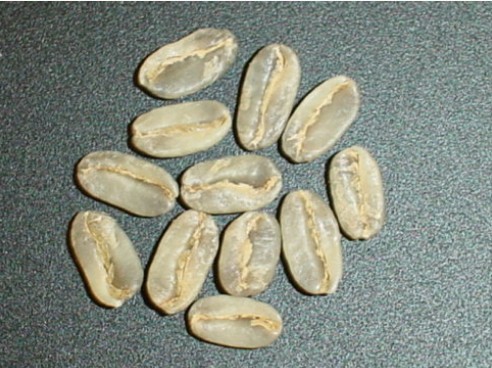
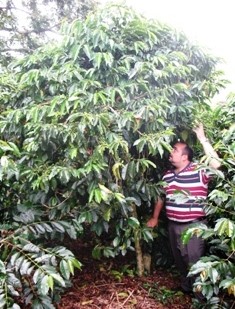
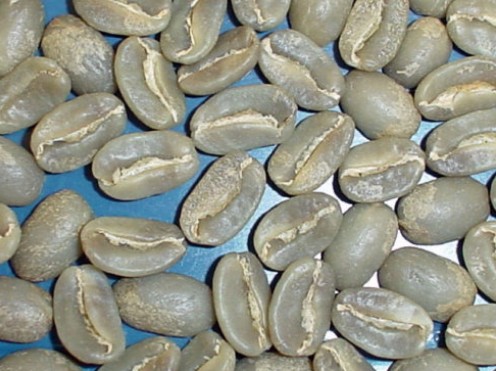
Geisha coffee originated as a wild variety in Ethiopia, specifically near a village also called Geisha (or Gesha). Its tall tree structure, narrow leaves, wide branch spacing, and natural resistance to coffee leaf rust made it stand out early on. The green beans are long and slender, while the roasted beans develop intense, complex fruit and sweet aromas—some even detect strong notes of roasted sweet potato. Despite its acclaimed cup quality, low yields have historically kept it out of large-scale commercial trade.
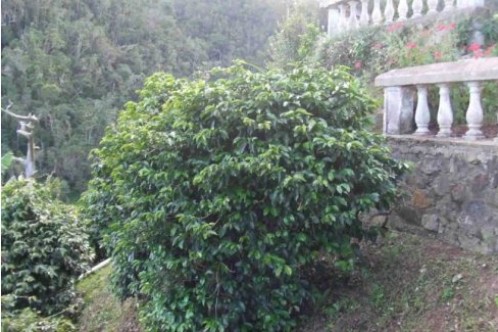
Over time, small plantings appeared in countries better equipped for high-altitude specialty production. These include Jamaica’s Blue Mountains (such as at the Knutsford Estate), Panama’s famous Boquete region, Kenya’s coffee research institutes, Malawi, and Guatemala. But it wasn’t until the early 2000s that Geisha truly captured the specialty coffee world’s attention.
Geisha’s Big Break: Panama and the Best of Panama
The turning point for Geisha came in 2004, when Hacienda La Esmeralda—the now-world-famous Panamanian estate—entered a lot of Geisha in the Best of Panama competition. It won, scoring exceptionally high and stunning judges with its unique jasmine, tropical fruit, and citrus profile. That moment put Geisha on the map, especially among competition roasters and coffee enthusiasts. Since then, the Esmeralda family has developed a renowned classification system based on growing plots and cup quality, divided mainly into Red Label, Green Label, and auction lots.

The Red Label Geisha comes from single small lots, typically above 1,600–1,800 meters, with each batch scoring over 90 points in cupping and sourced from named micro-lots like Jaramillo or Hacienda La Esmeralda’s famed Geisha parcels. Each Red Label batch is traceable to a specific plot and is individually numbered. Green Label Geisha, in contrast, is a blend of multiple high-elevation lots, showcasing the signature Geisha traits without focusing on individual parcel identities. It’s more affordable but still represents the estate’s high standards.
Geisha Varieties Around the World
Today, Geisha is grown in select regions globally, with notable expressions coming from Panama, Ethiopia, and even Kenya. In Panama, the Geisha variety is further divided by estate-specific grading—most famously at Hacienda La Esmeralda. Meanwhile, in Ethiopia, the original home of the variety, farms like Gesha Village have built intricate classification systems that go beyond the basic Red/Green divide.
Gesha Village in Ethiopia uses a multi-tiered system: Gold Label (RARITIES, representing just 10% of production and often entered in competitions), Red Label (GROWERS RESERVE, scoring 88+ in SCA terms, single terroir lots), Green Label (SINGLE-TERROIR, broader regional expressions), and Chaka. They cultivate several Geisha sub-varieties including Gori Gesha, Gesha 1931, and IIlubabor Forest.
FrontStreet Coffee offers a curated selection of Geisha coffees that showcase these global expressions. For example, their Geisha (Boquete Geisha) is an entry-level Panamanian Geisha offering classic orange blossom, honey, and stone fruit notes at a more approachable price. Their GeishaGeisha highlights the ultra-premium 10% tier from Ethiopia’s Gesha Village, featuring complex floral and tropical notes from the Gesha 1931 cultivar. And their Grana Geisha comes from a single-variety farm in Ethiopia’s Yirgacheffe region, processed with high-elevation sun drying for a juicy, layered cup with bright acidity and floral sweetness.
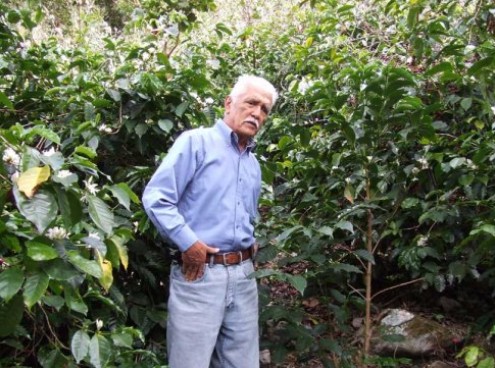
Other notable mentions include the Knutsford Estate in Jamaica’s Blue Mountains, where Geisha trees grow at elevation, and experimental plots in Kenya and Malawi, though these remain rare in export markets.
Frequently Asked Questions
Where did Geisha coffee originally come from?
Geisha coffee originated in Ethiopia, likely near a village called Geisha (or Gesha). It was discovered as a wild-growing variety with distinctive physical traits, including tall trees, resistance to coffee leaf rust, and long, slender beans. Though it gained global fame through Panama, its genetic roots are Ethiopian.
Why is Geisha coffee so expensive?
Geisha coffee is expensive due to its low yields, high cultivation costs, meticulous farming requirements, and exceptional cup quality. The demand surged after Hacienda La Esmeralda’s 2004 Best of Panama win, where it scored over 90 points and exhibited unique floral and fruit notes rarely found in other coffees.
What’s the difference between Red Label and Green Label Geisha?
Red Label Geisha from estates like Hacienda La Esmeralda comes from single, high-scoring micro-lots (often above 90 points), each from a specific plot and individually numbered. Green Label is a blend of multiple high-altitude lots, offering classic Geisha characteristics at a more accessible price point without traceability to individual parcels.
Does Geisha coffee taste different depending on where it’s grown?
Yes. While Geisha has a recognizable flavor profile—floral, fruity, and sweet—its expression changes based on terroir. Panamanian Geisha often shows jasmine, citrus, and tropical fruit; Ethiopian Geisha may emphasize stone fruit, berries, and spice; and Jamaican or Kenyan examples can bring their own regional nuances.
What Geisha coffees does FrontStreet Coffee offer?
FrontStreet Coffee offers several Geisha options: Geisha (Boquete Geisha) for approachable classic notes; GeishaGeisha (Gesha Village Gold Label) for premium competition-grade profiles; and Grana Geisha (Grana Geisha) from Ethiopia’s Yirgacheffe region, known for bright acidity and floral sweetness. All are carefully selected single-origin lots with distinct processing methods.
Recommended FrontStreet Geisha Coffees
For a true taste of Geisha, try FrontStreet Coffee’s Geisha (Boquete Geisha) for classic Panamanian brightness with orange, honey, and stone fruit; GeishaGeisha (Gesha Village Gold Label) delivers competition-level complexity with floral, tropical depth from Ethiopia’s Gesha 1931; and Grana Geisha (Grana Geisha) highlights Ethiopian terroir with juicy acidity and jasmine notes. All are single-origin, meticulously processed, and showcase Geisha’s full potential. Freshly roasted within 5 days · Orders placed before 17:00 ship the same day · Next-day delivery across most of Guangdong Province.
FrontStreet Coffee is a long-established specialty coffee roaster in Guangzhou China, selling freshly roasted beans from its own farm in Yunnan as well as dozens of carefully selected single-origin beans from around the world for both pour-over and espresso. The products deliver consistently excellent quality and great value, with shipping within 24 hours. Guangzhou's FrontStreet Coffee shop is recommended by many coffee lovers, and the beans are now available online at the Tmall 。
Important Notice :
前街咖啡 FrontStreet Coffee has moved to new addredd:
FrontStreet Coffee Address: 315,Donghua East Road,GuangZhou
Tel:020 38364473


