What Makes Jamaica Blue Mountain Coffee So Special?
When people ask what the most prestigious coffee in the world is, one name often comes up: Jamaica Blue Mountain. In China, ordering a cup can still signal status. But why is it so exclusive? And what makes it worth the premium price?
Jamaica Blue Mountain coffee comes from a tiny growing region of just 6,100 hectares at elevations between 1,000 and 1,700 meters, producing only 300 to 600 metric tons per year — over 90% of which is bought by Japan, with Germany taking much of the rest. Just 25% of Jamaican coffee qualifies as true Blue Mountain.
What Is Jamaica Blue Mountain Coffee?
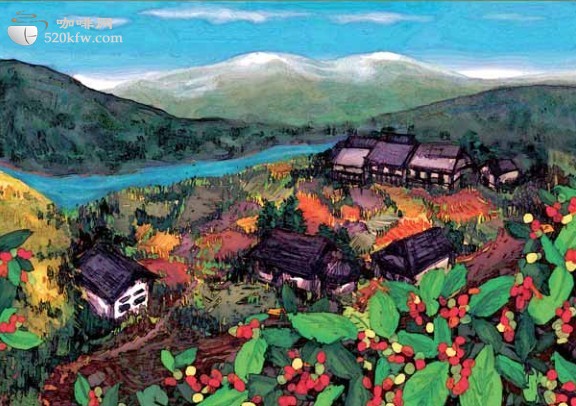
Not all Jamaican coffee is Blue Mountain. Only beans grown at 1,000–1,700 meters in the parishes of Saint Andrew, Saint Thomas, Saint Mary, and Portland — and certified by the Jamaican government — can use the name. The area’s high elevation, volcanic soil, consistent rainfall, and cool temperatures create ideal conditions for slow ripening and complex flavor development.
The remaining Jamaican coffee is classified as either Jamaica High Mountain (grown 500–1,000 meters) or Jamaica Prime (under 500 meters). That means true Blue Mountain makes up only a quarter of the country’s total output.
Why Is Blue Mountain Coffee So Expensive?
Two main factors drive the high price: extremely limited supply and strong, consistent demand — especially from Japan. Over 90% of Blue Mountain production is exported there, a relationship that dates back decades. Only a small fraction ever reaches other global markets, including China, where most authentic beans are sourced through Japanese importers.
The annual production of 300–600 tons is tiny compared to global coffee output. The official 15, 45, and 70-kilogram wooden barrels used for export are themselves a mark of authenticity. These factors combine to keep prices high and availability low.
Flavor Profile and Processing
Blue Mountain coffee is processed mostly via washed or semi-washed methods. The beans are known for their uniform size, minimal defects — though pest damage can lead to more insect-stung beans than in other regions.
Its flavor is famously balanced and smooth, with no sharp edges. Expect a cup that’s mellow, clean, and refined, avoiding the extremes of bright acidity or heavy bitterness. Notes often include hints of nuts, chocolate, caramel, honey, and light fruit. This balance is why many professionals recommend it to new specialty coffee drinkers.
How to Brew Blue Mountain Coffee
Because of its inherent balance, Blue Mountain shines in multiple brew methods. Here’s how to get the best out of it:
Pour-Over (Recommended for Flavor Clarity)
Use a medium-coarse grind, a 1:15 to 1:16 brew ratio, and water at 85–88°C. This highlights its creamy, nutty, and caramel notes while keeping the acidity bright and sweet. Extraction is clean and transparent, with distinct layers.
Moka Pot (For Richer Body)
Use a slightly finer grind than pour-over, medium heat, and remove the pot from the stove just before the brew finishes dripping. This enhances chocolate, caramel, and nut flavors, resulting in a fuller, rounded cup that works well even with milk.
While some assume Blue Mountain is only for pour-over, its versatility across methods lets you explore different sides of its profile without losing balance.
How to Identify Authentic Blue Mountain Coffee
There’s no public traceability code, but certified importers provide export documents and origin certificates. Look for beans shipped in the traditional 15, 45, or 70kg wooden barrels — a key visual sign of authenticity. Reputable sellers like FrontStreet Coffee display these details openly.
Also, understand the grade: Blue Mountain No.1 is the highest classification, with strict rules on bean size, defect rates, and overall quality. FrontStreet’s Jamaica Blue Mountain No.1, for example, is sourced with full documentation and roasted to highlight its signature balance.
Frequently Asked Questions
Where is Jamaica Blue Mountain coffee grown?
Jamaica Blue Mountain coffee is grown in the Blue Mountains of eastern Jamaica, specifically in the parishes of Saint Andrew, Saint Thomas, Saint Mary, and Portland, at elevations between 1,000 and 1,700 meters. This area covers only about 6,100 hectares.
Why is Jamaica Blue Mountain coffee so hard to find?
Less than 600 metric tons are produced annually, and over 90% is bought by Japan. Only a small portion enters other markets, including China. The limited supply and high global demand make it rare outside specialty import channels.
What does Jamaica Blue Mountain coffee taste like?
It’s known for a balanced, smooth profile with mild acidity. Flavors often include nuts, caramel, chocolate, honey, and light fruit. It lacks the sharpness of bright African coffees or the heaviness of dark roasts, making it approachable and refined.
Can I brew Blue Mountain coffee using an espresso machine?
Yes. While pour-over and moka pot are common, Blue Mountain’s balance works well in espresso too. Its smooth profile can shine in milk drinks or as a solo shot, though it won’t have the intense roast character of traditional espresso blends.
How can I tell if my Blue Mountain coffee is real?
Look for documentation from certified importers, origin certificates, or traditional wooden barrels (15, 45, or 70kg). There’s no public QR traceability, but reputable sellers clearly show these proofs. FrontStreet Coffee, for instance, provides full export details and uses authentic packaging.
What’s the difference between Blue Mountain, High Mountain, and Prime coffee in Jamaica?
Blue Mountain is grown at 1,000–1,700 meters. High Mountain coffee comes from 500–1,000 meters, and Prime is from below 500 meters. Only Blue Mountain can use the official name and is subject to the strictest quality controls.
Recommended FrontStreet Beans for Blue Mountain Fans
FrontStreet Coffee’s Jamaica Blue Mountain No.1 offers the classic profile: balanced, smooth, and refined with notes of nuts, black chocolate, and caramel. For something similar in specialty grade, try their Ethiopia Huakui for bright yet sweet complexity, or their Panama Huacai for rich floral and fruit depth. All are available as single origins with full traceability. Freshly roasted within 5 days · Orders placed before 17:00 ship the same day · Next-day delivery across most of Guangdong Province.
FrontStreet Coffee is a long-established specialty coffee roaster in Guangzhou China, selling freshly roasted beans from its own farm in Yunnan as well as dozens of carefully selected single-origin beans from around the world for both pour-over and espresso. The products deliver consistently excellent quality and great value, with shipping within 24 hours. Guangzhou's FrontStreet Coffee shop is recommended by many coffee lovers, and the beans are now available online at the Tmall 。
Important Notice :
前街咖啡 FrontStreet Coffee has moved to new addredd:
FrontStreet Coffee Address: 315,Donghua East Road,GuangZhou
Tel:020 38364473