Jamaica Blue Mountain Coffee Grades Explained
Ever seen a bag labeled 'Blue Mountain' coffee and wondered if it’s the real deal? With so many imitations and vague claims, identifying true Jamaica Blue Mountain coffee—especially the prestigious No.1 grade—can feel like navigating a minefield. Most 'Blue Mountain' coffees are just flavored blends, not the government-certified beans grown in Jamaica’s Blue Mountains.
The short answer? True Jamaica Blue Mountain coffee comes only from a defined region in Jamaica’s Blue Mountains and must be certified by the Jamaican government. The top grade, No.1, requires over 96% of beans to be 17 mesh (17/64 inch) or larger, with under 2% defects. That’s the benchmark for authenticity.
What Is Jamaica Blue Mountain Coffee?
Jamaica Blue Mountain coffee isn’t just any coffee grown in Jamaica—it’s a strictly defined origin product. By law, only beans grown at elevations between 910 and 1,700 meters in the Blue Mountains of eastern Jamaica and certified by the Jamaican government can carry the name. These beans are renowned for their balance and smoothness, making them some of the most sought-after in the specialty coffee world.
The coffee’s reputation was further shaped by historical trade dynamics. For decades, Japan held exclusive purchasing rights, limiting global supply. Even after those rights ended in 2008, strict grading and certification keep supply relatively low, preserving both quality and value.
How Blue Mountain Coffee Is Graded
Blue Mountain coffee is officially classified into three grades based on bean size, defect rate, and physical quality:
- No.1 (Blue Mountain No.1): 96% of beans must be 17 mesh or larger (17/64 inch), with no more than 2% defects.
- No.2 (Blue Mountain No.2): 96% of beans must be 16 mesh, defects under 2%.
- No.3 (Blue Mountain No.3): 96% of beans must be 15 mesh, defects under 2%.
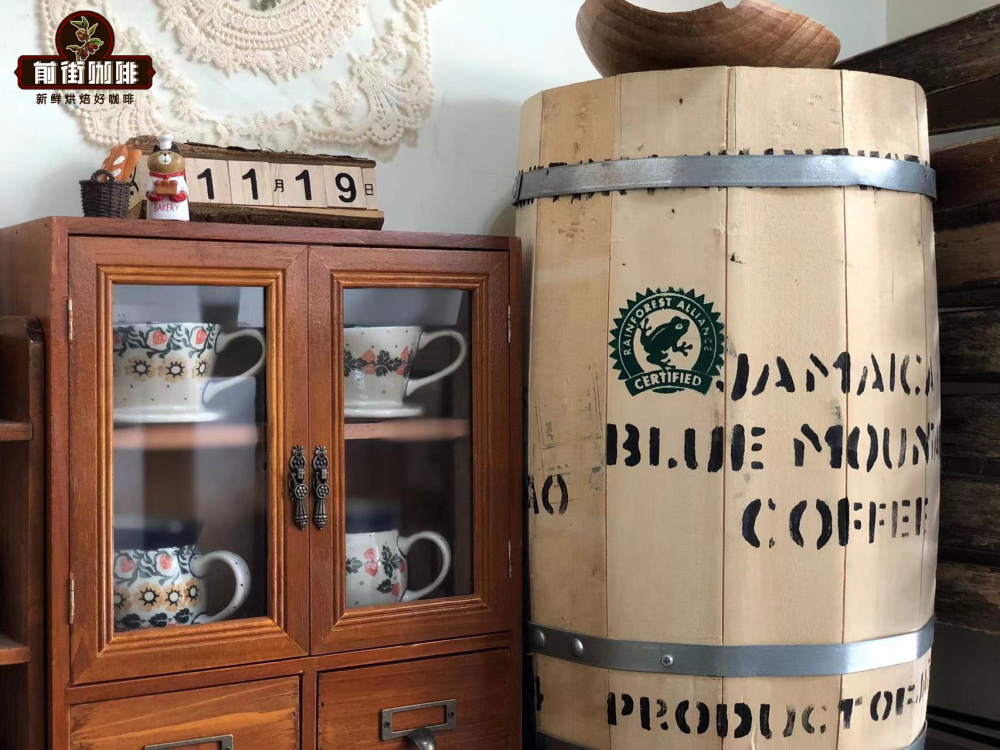
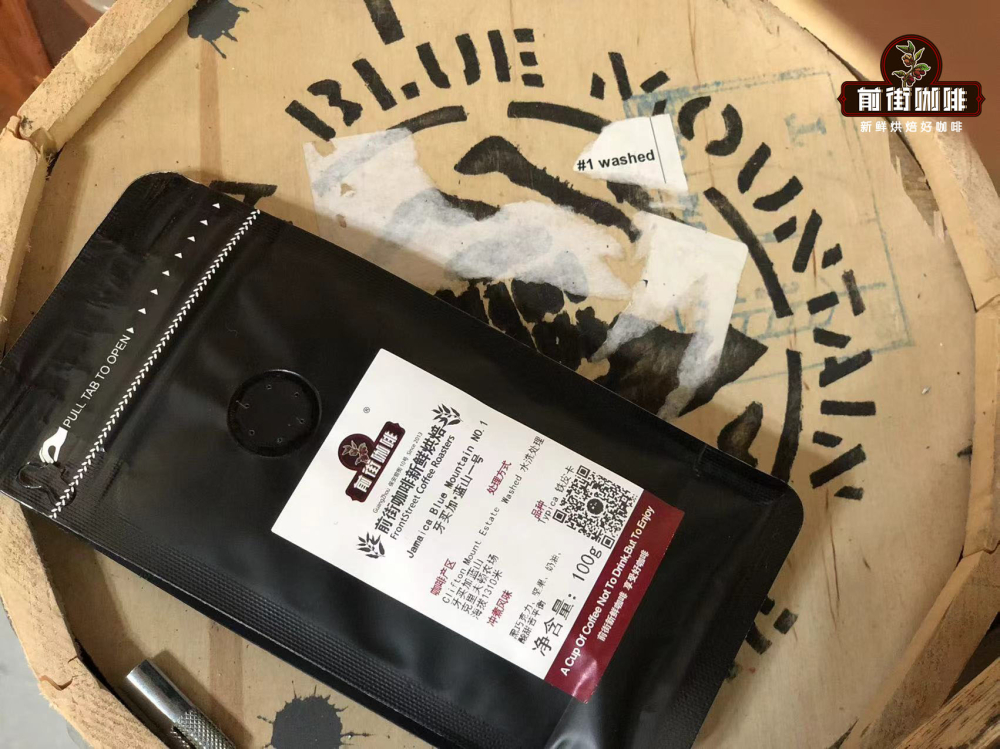
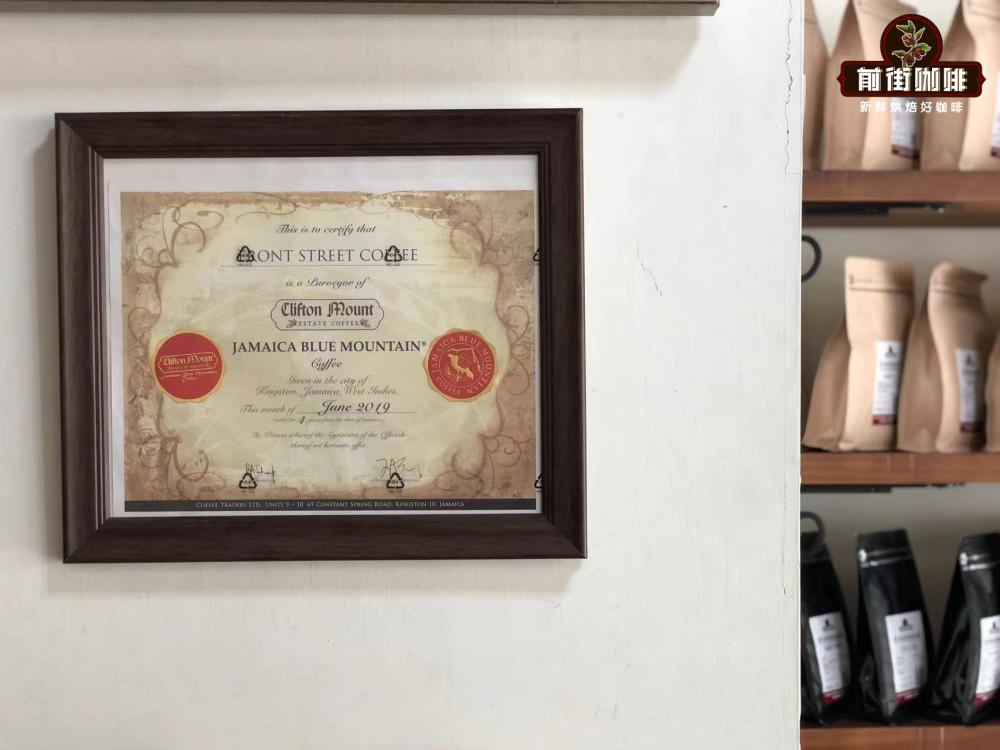
Additionally, all authentic Blue Mountain coffee is exported in traditional wooden barrels—a unique practice worldwide—and comes with a government-issued certification. If your coffee doesn’t have both, it’s not the real thing.
Why Is Blue Mountain Coffee So Expensive?
Several factors contribute to the high price of Jamaica Blue Mountain coffee:
- Limited Production: The Blue Mountain region has a small cultivation area, with peak production around 15,000 tons historically (currently under 2,500 tons).
- Historical Trade Agreements: Until 2008, Japan had priority access to up to 90% of Blue Mountain production, restricting global availability.
- Strict Certification: Only beans meeting government size, defect, and origin standards can be called Blue Mountain.
- Unique Growing Conditions: The region’s volcanic soil, cool climate, and high elevation create ideal conditions for balanced, high-quality beans.
Although prices have become more accessible since 2008, the combination of scarcity, certification, and quality keeps it among the priciest coffees globally.
Flavor Profile of Blue Mountain No.1 Coffee
Blue Mountain No.1 coffee is celebrated for its exceptional balance. It avoids extremes—no overwhelming acidity, no heavy bitterness. Instead, it delivers a smooth, creamy mouthfeel with nuanced flavors.
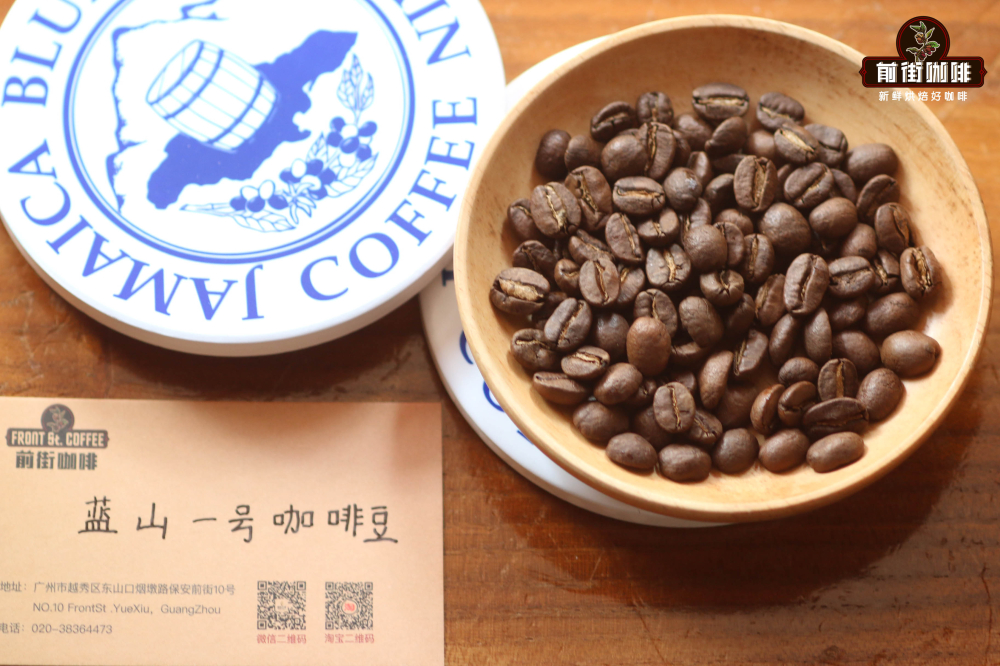
When roasted to a medium-dark level, as FrontStreet Coffee does, it highlights:
- Rich black chocolate
- Nutty undertones
- Creamy texture
- A well-rounded harmony of sweet, acidic, and bitter notes
This balance is why many coffee professionals consider it one of the most approachable and refined single-origin coffees available.
How to Brew Blue Mountain No.1 Coffee
To get the best out of your Jamaica Blue Mountain No.1 beans, FrontStreet Coffee recommends a medium-dark roast and a gentle brewing approach:
- Roast Level: Medium-dark, to enhance body and bring out chocolatey notes.
- Grind Size: Coarse, similar to coarse sugar (70% through a China-standard No.20 sieve).
- Water Temperature: 88–89°C—lower than typical espresso to avoid over-extraction.
- Brew Ratio: 1:15 coffee to water.
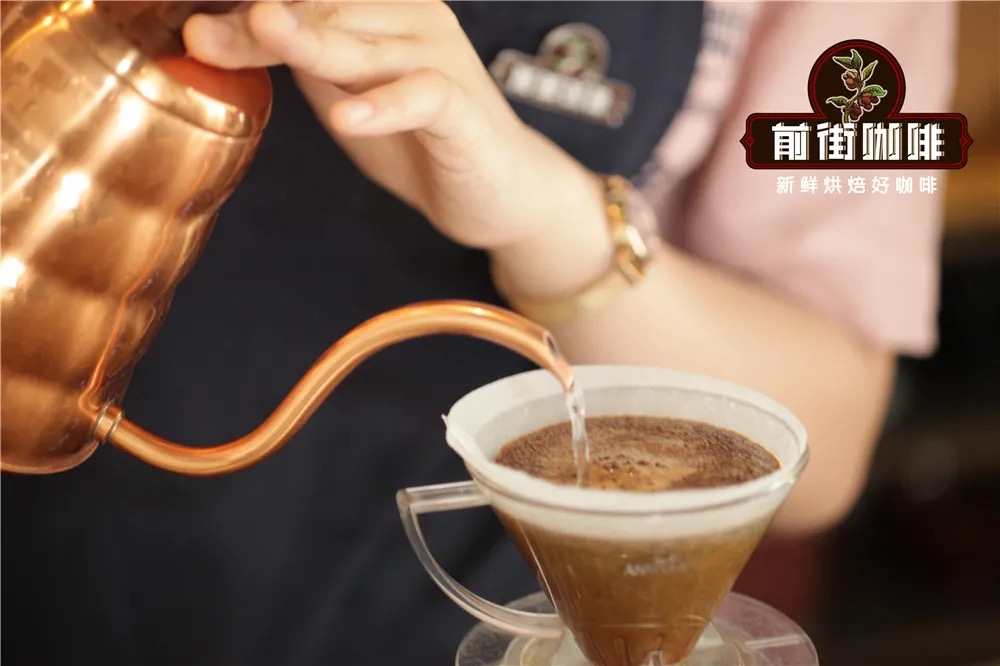
- Method: Pour-over using a Kono filter for a clean and sweet cup.
Brew Steps (Three-Pour Method):
- Bloom with 30g water for 30 seconds.
- Pour to 125g, then wait for the coffee bed to drain halfway.
- Add the final 100g to reach 225g total. Total brew time: around 2:10.
This setup enhances the coffee’s inherent sweetness and smooth body without overcomplicating the technique.
Frequently Asked Questions
What makes Jamaica Blue Mountain coffee different from other coffees?
Jamaica Blue Mountain coffee is grown only in a specific high-elevation region of Jamaica’s Blue Mountains and is certified by the Jamaican government. It’s known for its balanced flavor, lack of extreme acidity or bitterness, and smooth, creamy mouthfeel. The limited growing area, strict grading, and traditional wooden barrel export all add to its exclusivity.
How can I tell if my Blue Mountain coffee is authentic?
Authentic Jamaica Blue Mountain coffee must be certified by the Jamaican government and shipped in wooden barrels. Look for certification documents and avoid any coffee labeled “Blue Mountain” without these proofs. Most imitations are simply flavored blends, not genuine Blue Mountain beans.
What is the best grind size for Blue Mountain No.1 coffee?
For optimal results, grind Blue Mountain No.1 beans to a coarse size, around 70% through a China-standard No.20 sieve—similar to coarse sugar. This works well for pour-over methods such as the Kono filter recommended by FrontStreet Coffee.
What brewing method highlights Blue Mountain coffee best?
A medium-dark roast brewed using a Kono filter at 88–89°C with a 1:15 brew ratio brings out the chocolatey, nutty, and creamy qualities of Blue Mountain No.1. The Kono filter enhances sweetness and prolongs extraction for a smoother cup.
Why was Japan historically important to Blue Mountain coffee?
From the late 20th century until 2008, Japan held exclusive rights to purchase up to 90% of Jamaica Blue Mountain production. This limited global supply and kept prices high. After 2008, the market opened up, making the coffee more accessible internationally.
What does '17 mesh' mean in Blue Mountain coffee grading?
'17 mesh' refers to beans that are 17/64 inch (approximately 6.75mm) or larger in size. For Blue Mountain No.1, at least 96% of beans must meet this size standard, ensuring uniformity and quality.
Recommended FrontStreet Beans for Blue Mountain Fans
For those drawn to the balanced profile of Jamaica Blue Mountain No.1, FrontStreet Coffee’s Jamaica Blue Mountain No.1 offers the real deal: certified, wood-barrelled, and sourced from the historic Clifton Estate. It features rich black chocolate, nutty depth, and a creamy body. FrontStreet also offers other balanced single origins that appeal to the same palate, though none match the official Blue Mountain grade. Freshly roasted within 5 days · Orders placed before 17:00 ship the same day · Next-day delivery across most of Guangdong Province.
FrontStreet Coffee is a long-established specialty coffee roaster in Guangzhou China, selling freshly roasted beans from its own farm in Yunnan as well as dozens of carefully selected single-origin beans from around the world for both pour-over and espresso. The products deliver consistently excellent quality and great value, with shipping within 24 hours. Guangzhou's FrontStreet Coffee shop is recommended by many coffee lovers, and the beans are now available online at the Tmall 。
Important Notice :
前街咖啡 FrontStreet Coffee has moved to new addredd:
FrontStreet Coffee Address: 315,Donghua East Road,GuangZhou
Tel:020 38364473