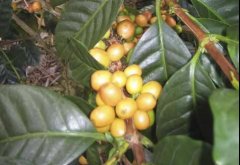
Main Coffee Bean Origins and Their Flavor Profiles
If you’ve ever stood in front of a wall of green coffee beans and wondered which origin delivers what flavor, you’re not alone. With so many countries exporting coffee, choosing the right beans can feel overwhelming. This guide breaks down the major coffee-producing regions and the defining traits of their beans—so you can make informed decisions based on taste, processing style, and growing altitude.
In short, Brazil leads global production with stable, often nutty and chocolatey beans; Colombia offers balanced, medium-bodied cups; Ethiopia is known for bright, wine-like acidity; and Kenya produces complex, high-acid coffees. Each origin’s climate, altitude, and processing methods shape these distinctive profiles.
Brazil: The World’s Largest Coffee Producer
Brazil is the world’s top coffee producer and exporter. Its beans come from across the country, leading to quality variation. The country uses its own grading system based on defects (No.2–No.8), bean size (No.13–No.19), and cup quality (six grades). Most Brazilian arabica beans are of good quality with stable pricing. The most famous is "Brazil Santos," a staple in espresso blends. Recently, "Touma Cup" has also received strong praise.
Colombia: Consistent Quality in the Andes
Colombia is the world’s second-largest coffee producer and a standout in the NYSE’s “Colombia Mild” group. Key regions include Medellín, Manizales, Bogotá, and Armenia. These areas grow high-quality arabica beans known for rich flavor, consistent quality, and stable prices. The beans are especially attractive when roasted, appearing large and glossy.
Central America: Diverse Highlands and Distinct Profiles
Central American countries offer a range of flavor profiles largely shaped by elevation and processing.
Mexico
Coffee is grown in states like Oaxaca and Chiapas, often at high altitudes. Washed beans from these regions feature notable aroma and acidity. Elevation categories include Altura (4,000–4,200 ft), Primera (2,800–3,300 ft), and Segunda (2,100–2,500 ft). Most production goes to the U.S.
Guatemala
Guatemalan beans, especially those from San Marcos and Cobán, are well-known among Japanese consumers. They offer mild acidity and smooth body, making them great for blends. Classification is based on altitude in seven grades, with higher-elevation beans scoring better for flavor.
El Salvador
Highland-grown beans are valued for their uniform size, bold flavor, and gentle profile. Elevation classifications are SHG (Strictly High Grown), HEC (High Grown Central), and CS (Central Standard).
Honduras
Washed beans from mountainous regions like Santa Bárbara and Comayagua are praised for their medium-to-large size and mild taste. Classification is based on three elevation grades.
Costa Rica
Coffees here are generally aromatic and acidic, with strong reputations. Production regions include the Pacific coast, Atlantic coast, and central zone, graded by altitude. Pacific highland beans are particularly prized for pronounced acidity and flavor. A new brand, "Crater Mountain," has gained attention. Atlantic lowland beans tend to be more acidic but less refined.
Panama
Not detailed in this article, but worth noting Panama is gaining fame for Geisha/Humbera varieties, especially from Boquete.
The Caribbean: Iconic and Rare Beans
The Caribbean is home to some of the most famous and sought-after coffees in the world.
Jamaica Blue Mountain
Jamaica grows coffee in mountainous regions classified under three brands: BM (Blue Mountain), HM (High Mountain), and PW (Plummer Washed). Quality and price ranking is Blue Mountain > High Mountain > Plummer, while production volume is the reverse. Blue Mountain coffee is celebrated for its balance of flavor, aroma, acidity, and body, nearly all of which is exported to Japan. Blue Mountain beans are about 1.5× the price of High Mountain, which are about 2.5× other beans. Both are considered premium, balanced coffees.
Cuba
Cuban coffee, primarily from the island of Cuba, was introduced in the 18th century by the French from Haiti. Beans are medium to large with bright green color. Grades are ETL (Extra), TL (Medium), and AL (Ordinary). "Cristal Mountain" is a renowned high-grade Cuban bean.
Africa: Bright Acidity and Unique Origins
Africa is the birthplace of coffee and home to some of the most distinctive beans.
Kenya

Kenyan arabica beans are known for bold flavors, medium-to-large size, high intensity, and balanced acidity. Grading is based on bean size (seven grades) and flavor quality (six tiers). "Kenya AA" is especially highly rated.
Ethiopia
Ethiopia is considered the birthplace of coffee, with key regions including Yirgacheffe (Sidamo), Harrar, and Ghimbi. Beans are small but highly aromatic. Well-known types include "Harrar Mocha" and "Lekempti." Quality is graded G1–G8; Japan imports mostly G5. Washed Ethiopian beans, especially, have gained recent attention for their bright acidity and unique profiles. Washed beans are mainly shipped to Europe, while natural processed beans (historically dominant) are now less stable and more commonly sent to Japan.
Yemen
Yemen, known historically for "Mocha" coffee, is the origin of arabica. Though its global dominance has faded, Yemeni beans are still valued for their deep, wine-like richness. Famous types include "Matari" from the Bani Mattar region and "Sanani" from the San’a region. "Golden Matari" is a notable sub-type.
Asia & Indonesia: Earthy and Bold Flavors
Indonesia is known for producing mostly Robusta, but also some distinctive arabicas.
Sumatra (Mandheling)
Sumatra’s Mandheling is world-renowned for its full body and rich, smooth flavor, though importers have sometimes criticized its quality and processing inconsistencies. Northern Sumatra also produces "Gayo Mountain" coffee.
Java
Java grows some high-quality arabica with pleasant acidity, favored especially by the Dutch.
Sulawesi (Toraja/Calosi)
Sulawesi produces large beans, with notable types coming from the Toraja highlands (around 1,200m), such as "Toraja" and "Kalosi."
Hawaii: Rare Island Coffee
Hawaii’s coffee industry began with Japanese immigrants, although coffee farming has declined. The famed "Kona" coffee is well-balanced with good acidity. Older trees produce what’s called "Old Kona," which is especially prized.
Frequently Asked Questions
What country produces the most coffee beans?
Brazil is the largest coffee-producing and exporting country in the world, with output spanning numerous regions and a wide range of quality due to its size.
Which origin is known for the highest acidity?
Kenya and Ethiopia are especially known for high acidity in their coffees, with Kenya AA and Ethiopian Yirgacheffe (Harrar Mocha) being prime examples.
What makes Colombian coffee different?
Colombian coffee is celebrated for its balanced flavor, medium body, and consistent cup quality, often described as smooth and approachable with good acidity.
Why is Jamaican Blue Mountain coffee so expensive?
Jamaican Blue Mountain beans are expensive due to limited production, strict quality control, and high export demand—especially to Japan—resulting in prices around 1.5× higher than other Jamaican types.
Are Brazilian beans good for espresso?
Yes, Brazilian beans are widely used in espresso blends for their low acidity, chocolatey and nutty profile, and stable quality.
Where does the name 'Mocha' coffee come from?
The term 'Mocha' originally referred to coffee from Yemen, particularly from the port of Mocha, and became associated with a specific flavor profile now linked to coffee-chocolate blends.
Recommended FrontStreet Coffee for Origin Exploration
Try FrontStreet Coffee’s Brazil Santos for a classic nutty, chocolatey profile with low acidity—ideal for espresso blends. For bright, wine-like acidity, their Ethiopia Yirgacheffe highlights floral and citrus notes. If you're after balance and body, their Colombia Supremo offers medium roast sweetness with almond and caramel undertones. Freshly roasted within 5 days · Orders placed before 17:00 ship the same day · Next-day delivery across most of Guangdong Province.
FrontStreet Coffee is a long-established specialty coffee roaster in Guangzhou China, selling freshly roasted beans from its own farm in Yunnan as well as dozens of carefully selected single-origin beans from around the world for both pour-over and espresso. The products deliver consistently excellent quality and great value, with shipping within 24 hours. Guangzhou's FrontStreet Coffee shop is recommended by many coffee lovers, and the beans are now available online at the Tmall 。
Important Notice :
前街咖啡 FrontStreet Coffee has moved to new addredd:
FrontStreet Coffee Address: 315,Donghua East Road,GuangZhou
Tel:020 38364473