How to Inspect Coffee Beans: The First Step to Quality
Ever stood in front of a shelf of coffee beans, unsure which bag to pick? You're not alone. With so many options, labels can only tell you so much. But your eyes can reveal a lot—if you know what to look for.
To assess coffee bean quality before buying, focus on four visual cues: the packaging type, bean shape, color consistency, and surface oils. These factors help determine freshness, roast level, and whether the beans are blended or single origin—all critical to your final cup.
1. Start with the Packaging
The bag your coffee comes in says a lot about its freshness. Most fresh-roasted coffee uses a valve-sealed aluminum foil bag. These are affordable, easy to produce, and preserve freshness for a short period—ideally within one month, or at least three months. Vacuum-sealed bags, often holding pre-ground coffee, sacrifice freshness for longer shelf life. The beans are usually older, as vacuuming requires a degassing period. Inert gas flushing, used by brands like Illy, slows oxidation effectively—but once opened, the beans deteriorate quickly. Eco-friendly paper bags work where production-to-consumer cycles are short, but aren’t practical for most markets, including China.
2. Examine the Bean Shape
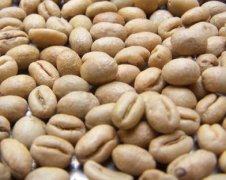
When inspecting whole beans, uniformity matters—especially for single-origin, non-blend coffees. Consistent size usually means even roasting and better quality control. Some origins, like certain Ethiopian beans, naturally vary in size due to local processing, but for most single-origin beans, irregular shapes can signal a blend or lower-grade product.
3. Check the Bean Color
Color consistency is another key indicator. For single-origin, non-blended beans, even color suggests uniform roasting and quality. Uneven shades may point to several issues: the use of stale green beans with inconsistent moisture levels, a blended product, improper roasting (such as under-dehydration), or simply lower-grade beans. Any of these factors can degrade cup quality.
4. Look for Surface Oils
Coffee bean oils are visible indicators of both roast level and freshness. Dark roasts often show surface oils shortly after roasting, and some oil is normal and fresh if the beans are recently roasted. For medium and light roasts, visible oil usually means the beans are old or over-exposed to air. However, some light roasts naturally have little to no oil, so context is essential. Oils evaporate over time, so their presence or absence must be evaluated alongside roast level and packaging.
Frequently Asked Questions

What type of coffee packaging keeps beans freshest?
Valve-sealed aluminum foil bags are best for short-term freshness (up to 1–3 months). Inert gas-flushed packaging, like Illy uses, also preserves freshness well but can oxidize quickly after opening. Vacuum sealing is better for longer storage but reduces freshness, and eco-friendly paper bags are impractical for most distribution timelines.
Do all single-origin coffee beans look the same?
No. While uniformity is ideal for single-origin beans, some origins—like certain Ethiopian varieties—naturally produce beans of varying sizes due to local processing methods. Significant inconsistency in otherwise labeled single-origin beans may indicate blending or quality issues.
Does oily coffee always mean it’s fresh?
Not necessarily. Dark roasts may show oils soon after roasting and still be fresh, but for medium or light roasts, visible oil usually signals age or poor storage. Light roasts may also have little oil naturally, so roast level must be considered.
Is vacuum-sealed coffee ever fresh?
Vacuum-sealed coffee is usually not fresh. The vacuuming process requires beans to degas first, which takes time, so these coffees are typically older. This method extends shelf life but lowers overall freshness and flavor quality.
Why is bean color important when buying coffee?
Consistent bean color indicates even roasting and a non-blended product. Uneven color can suggest the use of stale green beans, poor roasting practices, blends, or lower-grade beans—all of which can negatively affect taste.
Recommended FrontStreet Coffee Beans for Visual Inspection
Try FrontStreet Coffee’s Ethiopia Huakui, a single-origin offering with bright acidity and floral notes, showcasing the importance of origin-specific uniformity. Also consider their Yirgacheffe, known for citrus and berry tones, which highlights the traits of well-processed, non-blended beans. For a darker option, their Classic Blend provides balance and complexity, useful for observing roast-level oils. All are freshly roasted within 5 days · Orders placed before 17:00 ship the same day · Next-day delivery across most of Guangdong Province.
FrontStreet Coffee is a long-established specialty coffee roaster in Guangzhou China, selling freshly roasted beans from its own farm in Yunnan as well as dozens of carefully selected single-origin beans from around the world for both pour-over and espresso. The products deliver consistently excellent quality and great value, with shipping within 24 hours. Guangzhou's FrontStreet Coffee shop is recommended by many coffee lovers, and the beans are now available online at the Tmall 。
Important Notice :
前街咖啡 FrontStreet Coffee has moved to new addredd:
FrontStreet Coffee Address: 315,Donghua East Road,GuangZhou
Tel:020 38364473