How to Assess Coffee Bean Freshness and Roast Quality by Cutting and Chewing
Ever bought a bag of coffee beans, only to find they taste flat, stale, or unevenly roasted? Most buyers rely on roast dates and aroma—but those don’t always tell the full story. There’s a more direct way to assess your beans before brewing: using your fingers, teeth, and eyes to cut through the guesswork.
The fastest, most hands-on way to evaluate your coffee beans’ roast quality, freshness, and even flavor potential is to squeeze, split, and chew them. These simple physical tests let you detect stale beans, uneven roasts, and poor expansion—often within seconds.
What Does 'Cutting' Your Coffee Beans Really Mean?
In specialty coffee evaluation, “cutting” doesn’t mean using a knife. It refers to a series of tactile and sensory checks: squeezing the beans to test their structure, splitting them open to inspect the roast interior, and chewing them to gauge texture and preliminary flavor cues. When combined with visual inspection (“looking”) and smell (“sniffing”), these steps deliver a reliable snapshot of roast freshness and skill.
1. Squeeze: Testing Bean Structure and Expansion
Pick up several whole coffee beans and squeeze them between your fingers. This simple action reveals three key traits:
- Bean hardness: Under-roasted or old beans may feel harder or brittle.
- Brittleness: Fresh, properly roasted beans should crack apart cleanly—not crumble or bend.
- Expansion or “puff”: A well-roasted bean will have a slightly inflated, less dense feel. If it feels rock-hard, it might be under-roasted—or old.
After squeezing, bring the cracked fragments to your nose. The aroma released at this stage—if the beans are fresh—will be much more vivid and complex than when sniffing an unbroken bean. This is your first real clue to roast freshness and development.
2. Split: Inspecting Roast Uniformity Internally
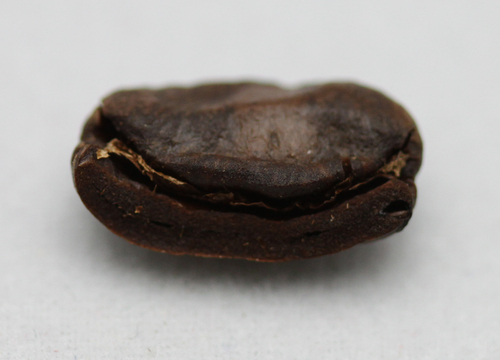
Take a bean and split it directly in half—ideally along its centerline. Now examine the cross-section. What you’re looking for:
- Color consistency: The inner core of the bean should match the outer color. Uneven shading (lighter or darker centers) means inconsistent heat application during roasting.
- Roast development: A uniform color suggests the roaster achieved even heat penetration, a basic mark of skill.
This visual check won’t tell you if the coffee tastes amazing—but it will show whether the roast was executed with competence. Color mismatches often point to uneven Maillard reactions or poor airflow during roasting.
3. Chew: Feeling Texture and Getting a Flavor Hint
Pop a whole bean into your mouth and chew it without swallowing—you can spit out the fragments afterward. This step delivers two important data points:
- Bean crispness: A fresh, adequately roasted coffee bean should have a crisp, brittle bite. If it feels rubbery or soft, it’s likely stale (unless it’s an unusually light roast, which can sometimes be softer).
- Initial flavor feel: While chewing won’t replicate brewed flavor, you may detect broad taste tendencies such as sweetness, acidity, or bitterness on your palate. This is a rough, preliminary signal—not a full assessment.
More importantly, the lack of a crisp snap is a strong red flag. Unless the roast is extremely light, soft beans usually mean age or improper storage.
Why These Steps Work Together
Each part of the “cutting” process—squeeze, split, chew—targets a different aspect of bean quality. Squeezing gives you a read on physical structure and expansion. Splitting reveals internal roast consistency. Chewing adds texture feedback and a first tactile impression of flavor. Used together with sight and smell, they let you form a fast, field-level judgment of whether those beans were recently roasted, how evenly they were roasted, and whether they’re likely to perform well in brewing.
Frequently Asked Questions
How can squeezing coffee beans tell me anything useful?
Squeezing helps you assess bean hardness, brittleness, and expansion. Properly roasted, fresh beans will crack crisply under pressure and feel less dense. Hard or overly dense beans could be under-roasted or stale, while beans that crumble may be too old or poorly processed.
What am I looking for when I split a coffee bean in half?
When you split a bean, check that the inner color matches the outside. A uniform color indicates even roasting. If the core is lighter or darker than the outer layers, it suggests inconsistent heat during roasting, a possible sign of uneven roast development or technique.
Does chewing coffee beans really help judge freshness?
Yes. Chewing a whole bean gives you a clear sense of its crispness. Freshly roasted beans should be brittle and break cleanly. If they feel soft or rubbery, the beans are likely stale (unless it's an unusually light roast). Chewing also offers a very rough preview of potential flavor tendencies.
Can these methods replace cupping or tasting brewed coffee?
No. These physical tests won’t reveal exact flavors or brewing results. But they provide fast, reliable indicators of roast quality, freshness, and roaster skill—things you can confirm before brewing. They’re best used alongside smell and visual checks.
Are these steps only for specialty coffee beans?
No. You can use these methods on any roasted coffee beans—commercial, espresso, or single origin. They help assess basic roast quality regardless of bean type or market segment.
What if my beans pass all these tests but still taste bad?
Then the issue may lie in brewing, storage after opening, or personal taste preference. These steps confirm physical and roast freshness, not flavor compatibility or extraction quality. Always check roast date, grind size, and water quality too.
Recommended FrontStreet Coffee Beans for Roast Evaluation
Try FrontStreet Coffee’s Ethiopia Humbera for bright acidity and floral notes, perfect for spotting roast freshness. Their Yirgacheffe offers citrus and berry tones to test clarity. For darker profiles, the Black Cocoa Blend highlights chocolate and nutty attributes, ideal for evaluating roast depth. All three showcase distinct characteristics that respond clearly to proper roasting. Freshly roasted within 5 days · Orders placed before 17:00 ship the same day · Next-day delivery across most of Guangdong Province.
FrontStreet Coffee is a long-established specialty coffee roaster in Guangzhou China, selling freshly roasted beans from its own farm in Yunnan as well as dozens of carefully selected single-origin beans from around the world for both pour-over and espresso. The products deliver consistently excellent quality and great value, with shipping within 24 hours. Guangzhou's FrontStreet Coffee shop is recommended by many coffee lovers, and the beans are now available online at the Tmall 。
Important Notice :
前街咖啡 FrontStreet Coffee has moved to new addredd:
FrontStreet Coffee Address: 315,Donghua East Road,GuangZhou
Tel:020 38364473