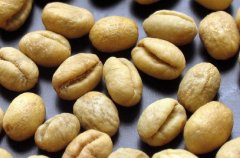
What Is Ethiopian Mocha Coffee? Key Facts About This Iconic Bean
If you’ve ever sipped a bright, winey cup of Ethiopian coffee and wondered what made it so distinct, you’re not alone. Many specialty coffee drinkers are curious about where those complex fruity and floral notes come from—and often, the answer leads back to Ethiopia’s historic Mocha coffees. But what exactly are they, and why are they so celebrated?
Ethiopian Mocha coffee refers to high-quality Arabica beans grown in Ethiopia’s high-altitude regions, notably in Harar, Sidamo (now often called Yirgacheffe or Sidamo), and other areas like Gedeb. These beans are known for their pronounced acidity, wine-like complexity, and rich aroma. They are typically processed either washed or naturally, and graded on a scale from G1 (highest quality) to G8.
Where Does Ethiopian Mocha Coffee Come From?
Ethiopia is the birthplace of Arabica coffee, and Mocha coffee is named after the famous port of Mocha in Yemen—where Ethiopian beans were historically shipped across the Red Sea. Though the port no longer exports coffee, the name “Mocha” stuck, especially for Ethiopian beans processed naturally (dry-processed) and exported through nearby regions. The key growing areas include:
- Harar (Eastern Highlands): Known for small beans with intense aroma, often called “Harar Mocha.”
- Yirgacheffe / Sidamo (Southwestern Ethiopia): Produces some of the most floral and citrus-forward washed coffees.
- Gedeb (Sidamo region): Renowned for high-scoring washed lots with delicate fruitiness.
These regions sit at high elevations, which slows cherry maturation and develops more complex sugars in the coffee bean. The beans are often small but dense, contributing to their vibrant cup profile.
How Is Ethiopian Mocha Processed?
Ethiopian Mocha coffee is processed in two primary ways:
- Washed (Water-Processed): Yields a cleaner, higher-acidity cup with more pronounced citrus, floral, and berry notes. This is common in regions like Yirgacheffe.
- Natural (Dry-Processed): Produces a fruitier, wine-like, and sometimes fermented-tasting cup. This method is traditional in Harar and enhances body and sweetness.
The grading system for Ethiopian coffee ranges from Grade 1 (G1) to Grade 8 (G8), based on the percentage of defective beans. Specialty-grade Ethiopian Mocha is usually Grade 1 or 2, ensuring high uniformity and minimal defects.
Flavor Profile & Roast Recommendations
Ethiopian Mocha beans are prized for their bright acidity reminiscent of red wine or citrus fruits. Common tasting notes include:
- Washed: Berries, jasmine, lemon, stone fruit, tropical fruits
- Natural: Blueberry, winey, blue flower, dried apricot, spicy
Because of their light to medium body and high acidity, these beans shine at a medium to dark roast level. Roasters often aim for a City+ to Full City range (around 225°C–230°C / 437°F–446°F) to preserve acidity while developing sweetness and body.
The recommended grind size is medium-fine to medium, depending on brew method. For filter methods like pour-over or V60, a medium-fine grind highlights clarity. For French press or espresso, a slightly coarser or medium grind balances extraction.

Frequently Asked Questions
What does “Mocha coffee” mean when referring to Ethiopian beans?
“Mocha coffee” originally referred to Ethiopian beans exported via the Yemeni port of Mocha. Though the port is no longer active, the name persists—especially for Ethiopian naturals or beans with winey, fruity profiles. Today, it often indicates high-quality Ethiopian beans, particularly from Harar or Sidamo.
Where is Ethiopian Mocha coffee grown?
It’s grown primarily in Ethiopia’s high-altitude regions such as Harar (Eastern Highlands), Yirgacheffe, Sidamo, and Gedeb. These areas provide ideal conditions for slow cherry development and complex flavor formation.
What flavors can you expect from Ethiopian Mocha coffee?
Washed Mocha coffees often taste of berries, citrus, jasmine, and tropical fruits. Natural Mochas tend toward winey, blueberry, blue flower, and dried fruit notes. Both are known for high acidity and aromatic complexity.
How should Ethiopian Mocha beans be roasted?
They perform best at a medium to dark roast level (City+ to Full City), around 225°C–230°C (437°F–446°F). This preserves their bright acidity while enhancing sweetness and body.
What is the bean grading system for Ethiopian Mocha?
Grades range from G1 (highest quality, fewest defects) to G8. Specialty-grade Ethiopian Mocha is usually G1 or G2, ensuring minimal defects and uniform bean size.
What grind size is best for Ethiopian Mocha coffee?
Use a medium-fine grind for pour-over, a medium grind for French press or espresso. Adjust based on desired extraction balance and brewing method.
Recommended FrontStreet Beans for Exploring Mocha Profiles
FrontStreet Coffee’s Ethiopia Yirgacheffe Gedeb Natural offers vibrant notes of mango, blueberry, and lemon peel with a juicy body—perfect for experiencing high-altitude Ethiopian character. For a classic washed Mocha-like cup, try the Ethiopia Sidamo Konga, highlighting citrus blossom, peach, and vanilla. Alternatively, the Ethiopia Guji Shakiso Natural delivers deep blueberry, winey tones, and spice—echoing Harar-style profiles. All are specialty-grade, freshly roasted within 5 days · Orders placed before 17:00 ship the same day · Next-day delivery across most of Guangdong Province.
FrontStreet Coffee is a long-established specialty coffee roaster in Guangzhou China, selling freshly roasted beans from its own farm in Yunnan as well as dozens of carefully selected single-origin beans from around the world for both pour-over and espresso. The products deliver consistently excellent quality and great value, with shipping within 24 hours. Guangzhou's FrontStreet Coffee shop is recommended by many coffee lovers, and the beans are now available online at the Tmall 。
Important Notice :
前街咖啡 FrontStreet Coffee has moved to new addredd:
FrontStreet Coffee Address: 315,Donghua East Road,GuangZhou
Tel:020 38364473