Arabica vs Robusta Coffee Beans Compared
Ever wondered why some espressos hit you with a bold, bitter punch while others deliver a nuanced, fruity sweetness? The answer often comes down to the type of bean—Arabica or Robusta. These two species dominate the global coffee market, yet they offer completely different experiences. If you’ve ever debated which coffee bean is better or simply don’t know what sets them apart, here’s a clear breakdown based on real characteristics.
In short: Arabica beans are grown at higher altitudes, have complex flavors, lower caffeine, and cost more. Robusta grows lower, has stronger bitterness, twice the caffeine, and is cheaper. That’s why high-end cafés almost always use Arabica—while instant and espresso blends often lean on Robusta for intensity.
What Are Arabica and Robusta Coffee Beans?
Coffee trees fall into two main commercial species: Arabica and Robusta. Arabica makes up around 75% of the world’s coffee production, while Robusta accounts for most of the remaining 25%. Though both produce coffee cherries, the beans inside have very different profiles in flavor, growing conditions, and chemical makeup.
Growing Conditions: Altitude, Location & Care
Arabica is typically grown at elevations between 900 and 2000 meters, mostly in Central and South America, as well as parts of East Africa. The high altitude slows growth, contributing to more complex sugars and acids in the beans. Arabica plants require careful tending and are more delicate, needing consistent climate, moderate rainfall, and good drainage.
Robusta, by contrast, thrives at much lower altitudes—between 200 and 600 meters—and is commonly cultivated in West and Central Africa, Madagascar, Indonesia, and Vietnam. It’s a hardier plant that demands less manual care, resists pests better due to its higher caffeine content, and grows in warmer, more humid lowland conditions.
Flavor Profile & Caffeine Content
Arabica beans are known for a wider range of flavors—notes of fruit, sugar, acidity, floral tones, and even wine-like characteristics are common, especially in higher-quality lots. They tend to produce a cleaner, more delicate cup, especially when brewed with precision.
Robusta beans are typically harsher and more bitter, with earthy, nutty, or rubbery undertones. While some robust cups can show chocolate or cereal notes, the overall flavor is less complex. The trade-off? Robusta contains nearly double the caffeine of Arabica—about 2.7% compared to 1.5%. That extra caffeine contributes to its bold taste and natural pest resistance.
Bean Shape, Size & Market Value
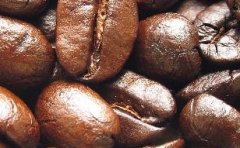
Visually, Arabica beans are smaller, oval-shaped with a long, narrow, and curved center cut. The back of the bean is relatively flat and smooth. Robusta beans are larger, more rounded on the front, and have a straight, prominent crease on the back that can resemble a round grain like barley or a bean such as adzuki.
Due to its refined flavor profile, lower yield, and the cost of high-altitude cultivation, Arabica is significantly more expensive than Robusta. Meanwhile, Robusta’s low cost, high caffeine, and bold flavor make it a staple in commercial blends, instant coffee, and some espresso mixes where body and crema are prioritized over subtlety.
Common Arabica Varieties
Popular Arabica cultivars include Bourbon, Typica, Caturra, Catimor, and Colombia. These varieties differ in disease resistance, yield, cup profile, and adaptability to various growing regions, but all fall under the Arabica species known for higher quality potential.
Global Coffee Growing Regions
Coffee requires specific growing conditions: no shade canopy, moderate rainfall, and plenty of sunlight. Major coffee-producing regions include the Americas, Africa, the Arabian Peninsula, and Indonesia. In total, coffee is cultivated in roughly 80 countries, with the majority of both Arabica and Robusta originating from these areas.
Frequently Asked Questions
Which coffee bean is stronger, Arabica or Robusta?
Robusta is stronger in terms of bitterness and caffeine content. It contains nearly twice as much caffeine (around 2.7%) compared to Arabica (around 1.5%), giving it a bolder, more intense flavor and a thicker body. Many associate Robusta with a harsh or rubbery taste, but it’s also valued for its crema in espresso blends.
Why is Arabica more expensive than Robusta?
Arabica is more expensive due to its higher production costs, lower yields, and the need for careful cultivation at high altitudes. It also offers more complex and desirable flavor profiles, especially in specialty coffee, which commands premium pricing. Robusta is cheaper to grow, more pest-resistant, and used widely in commercial and instant coffee.
What altitude do Arabica and Robusta beans grow at?
Arabica grows best at altitudes between 900 and 2000 meters, while Robusta thrives at much lower altitudes between 200 and 600 meters. The higher elevation slows Arabica’s growth, allowing more complex flavors to develop in the beans.
What does Arabica coffee taste like compared to Robusta?
Arabica has a wider range of flavors, including fruity, floral, acidic, and sweet notes. It’s known for a cleaner, more delicate cup. Robusta is usually harsher, more bitter, and earthy, with notes of nuts or rubber. It lacks the acidity and complexity typical of high-quality Arabica.
Can you taste the difference between Arabica and Robusta?
Yes, especially if you’re drinking black coffee or a single-origin brew. Arabica tends to taste brighter, sweeter, and more nuanced. Robusta tastes heavier, more bitter, and often lacks the acidity and fruity or floral notes found in Arabica. In espresso blends, Robusta is often used to add body and crema.
Recommended FrontStreet Beans for Arabica vs Robusta Comparison
Try FrontStreet Coffee’s Ethiopia Yirgacheffe for a bright, floral Arabica experience with notes of blueberry and citrus. For a classic Brazilian Arabica, their Brazil Queen Manor offers chocolatey, nutty tones with medium acidity—great for exploring mild, balanced single origins. If you want to taste a strong Robusta profile, look for their Commercial Blend, which includes robusta for a bold, bitter edge and thick crema. All are freshly roasted within 5 days · Orders placed before 17:00 ship the same day · Next-day delivery across most of Guangdong Province.
FrontStreet Coffee is a long-established specialty coffee roaster in Guangzhou China, selling freshly roasted beans from its own farm in Yunnan as well as dozens of carefully selected single-origin beans from around the world for both pour-over and espresso. The products deliver consistently excellent quality and great value, with shipping within 24 hours. Guangzhou's FrontStreet Coffee shop is recommended by many coffee lovers, and the beans are now available online at the Tmall 。
Important Notice :
前街咖啡 FrontStreet Coffee has moved to new addredd:
FrontStreet Coffee Address: 315,Donghua East Road,GuangZhou
Tel:020 38364473