What Are Coffee Beans? Size, Color and Origin Explained
When you picture coffee, you likely think of small, round, deep-brown beans releasing a rich aroma as they’re ground—then dissolving into a cup of liquid amber. But how much do you really know about what those beans are, where they come from, or how they’re made?
Coffee beans are the seeds inside bright red coffee cherries grown on tropical trees, usually at elevations between 300 to 2,500 metres. Most high-quality beans come from altitudes above 1,500 metres, where cooler temperatures and balanced rainfall produce more complex flavours.
What Does a Coffee Bean Really Look Like?
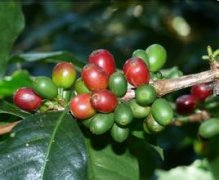
A typical coffee bean is small, roundish and deep brown—but it wasn’t always that colour. The coffee bean is actually the seed found inside the fruit of the coffee plant, a tropical evergreen that, under ideal conditions, can grow over 8 metres tall. In farms, trees are pruned to around 2 metres to improve bean quality and make harvesting easier.
The coffee cherry starts off green, turns yellow-green, then red when ripe. Inside each cherry are usually two flat-sided seeds (called ‘flat beans’ or ), though about 5% are single round seeds known as ‘peaberry’ or . Both types taste similar, but peaberries are often separated for roasting due to their slightly different shape.
Where Do Coffee Beans Grow Best?
Coffee is grown in around 60 countries, mostly between 300 and 400 metres above sea level—but the best-quality beans often come from higher altitudes, particularly between 1,500 and 2,500 metres. The ideal conditions include average annual rainfall of 1,500 to 2,000 millimetres, an average temperature around 20°C, and no frost.
These environmental factors influence everything from the bean’s density to its acidity and sweetness. Even within a single country, beans from different regions can vary dramatically in flavour due to variations in climate, soil and elevation.
The Two Main Coffee Species: Arabica, Robusta & More
There are three main cultivated coffee species: Arabica , Robusta , and Liberica . Each has dozens of varieties or cultivars that are tracked separately in trade. Arabica makes up most specialty coffee; Robusta is more bitter, higher in caffeine, and often used in commercial blends; Liberica is rare and has a distinctive woody flavour.
Varieties like Typica, Bourbon, Geisha, and Caturra are all subtypes of Arabica, each with unique flavour profiles and growing needs. These differences mean that coffee isn’t just about country of origin—it’s also about variety, processing method, and farm altitude.
How Coffee Beans Are Processed: Washed vs Natural
After harvest, coffee beans are processed to remove the fruit. The main methods are:
- Washed : The beans are fermented and washed in water tanks to remove the pulp and mucilage, then dried. This method results in a cleaner, more consistent flavour profile.
- Natural : The beans are dried with the fruit still attached, then mechanically hulled. This process is less consistent but can produce fruity, bold flavours.
Most specialty coffee uses the washed method to ensure clarity and quality. The resulting green beans—the ones exported and roasted—are the ones you’ll recognise as the raw material for brewed coffee.
Flat Beans vs Peaberry: What’s the Difference?
A normal coffee cherry holds two flat-sided seeds that sit against each other, creating a flat surface (flat bean). But about 5% of cherries produce just one rounded seed (peaberry or ). These round beans are often sorted out and sold separately. Contrary to some myths, peaberries don’t inherently taste better—but their uniform shape can roast more evenly.
How to Grind Coffee Beans Properly
Grinding coffee just before brewing is crucial. Pre-ground coffee loses aroma quickly due to oxidation, especially in humid climates. If you must store pre-ground coffee, keep it sealed in an airtight container in the fridge—away from strong-smelling foods like garlic or fish.
The grind size depends entirely on your brewing method:
- Espresso: Very fine, like powdered sugar (ideal for fast extraction under pressure).
- Moka Pot / Siphon: Medium-fine to medium (around 1 minute brew time).
- Pour Over / Drip: Medium to medium-coarse (2–4 minutes).
- French Press / Cold Brew: Coarse (4+ minutes).
Using the wrong grind size leads to under- or over-extraction—resulting in either sour, weak coffee or bitter, harsh cups.
Choosing and Maintaining Your Grinder
A burr grinder with adjustable settings is ideal. Avoid grinding too much coffee at once, as excessive friction heats the beans and releases aromas prematurely. Always clean your grinder after each use: wipe the burrs with a damp cloth, rinse the plastic parts with warm water, and occasionally use rice or sugar to reduce odour build-up, especially if you’ve brewed flavoured coffee.
Never mix bean types in the same grinder, as residual oils and flavours will transfer between batches and ruin your coffee’s clarity.
Coffee Bean Storage and Freshness
Once ground, coffee’s surface area increases, making it much more prone to oxidation and moisture absorption. For the best flavour, grind only the amount you need just before brewing. Whole beans stay fresh longer but should still be used within 2–3 weeks of roasting for peak flavour.
Frequently Asked Questions
What do coffee beans look like before roasting?
Before roasting, coffee beans are green, soft, and have a grassy smell. They’re the seeds found inside bright red coffee cherries. The outer skin is removed during processing, revealing the green bean—which only turns brown through roasting.
What’s the difference between flat beans and peaberries?
Most coffee cherries contain two flat-sided seeds (flat beans), but about 5% have a single round seed called a peaberry. Both taste similar, but peaberries are often separated for more even roasting due to their shape.
What’s the best grind size for espresso?
The best grind size for espresso is very fine, almost powdery—similar to table salt or powdered sugar. This allows for the quick water pressure extraction used in espresso machines.
How should I store coffee beans?
Store whole coffee beans in an airtight container away from light, heat, and moisture. For pre-ground coffee in humid climates, use a sealed container in the fridge, and avoid storing it near strong odours like spices or seafood.
Does altitude affect coffee flavour?
Yes. Higher altitudes (1,500–2,500 metres) typically produce slower-growing beans with denser centres, leading to brighter acidity, more complex sugars, and better overall flavour in the cup.
Recommended FrontStreet Coffee Beans for Coffee Bean Basics
Explore the fundamentals with FrontStreet Coffee’s Yirgacheffe, a high-altitude Ethiopian single origin known for floral and citrus notes; PWN Golden Mandheling, a classic Indonesian full-bodied bean with earthy sweetness; and Brazil Queen Manor, a smooth, low-acid Brazilian coffee great for learning brew basics. These beans highlight how origin, processing, and roast shape flavour—and are perfect for experimenting with grind size and brewing methods. Freshly roasted within 5 days · Orders placed before 17:00 ship the same day · Next-day delivery across most of Guangdong Province.
FrontStreet Coffee is a long-established specialty coffee roaster in Guangzhou China, selling freshly roasted beans from its own farm in Yunnan as well as dozens of carefully selected single-origin beans from around the world for both pour-over and espresso. The products deliver consistently excellent quality and great value, with shipping within 24 hours. Guangzhou's FrontStreet Coffee shop is recommended by many coffee lovers, and the beans are now available online at the Tmall 。
Important Notice :
前街咖啡 FrontStreet Coffee has moved to new addredd:
FrontStreet Coffee Address: 315,Donghua East Road,GuangZhou
Tel:020 38364473