How Coffee Origin Shapes Flavor Like Wine
Ever wonder why one cup of coffee tastes bright and fruity, while another is deep and chocolatey? Much like wine, the flavor of coffee isn’t just about roast level or brewing method—it starts with where the beans were grown. The region’s altitude, climate, soil, and processing traditions all leave a fingerprint on your cup.
The short answer? Coffee flavor is deeply tied to origin. Brazil’s neutral, chocolatey beans work well in blends, while Ethiopia’s bright, floral lots shine as single origins. Colombia offers balanced acidity, and Indonesia delivers earthy richness. Your perfect cup depends on understanding these regional profiles.
Why Coffee Has ‘Bloodlines’ Like Wine
Coffee, like wine grapes, expresses terroir—the unique combination of environmental factors that shape its character. The same Arabica species grown in Brazil versus Ethiopia will taste radically different due to differences in altitude, soil composition, rainfall patterns, and processing methods. This is why coffee aficionados talk about origin the way oenophiles discuss Bordeaux or Yirgacheffe.
Key Coffee Origins and Their Flavor Signatures
Different coffee-growing regions have earned reputations for distinct flavor profiles. Here’s what to expect from the most influential origins:
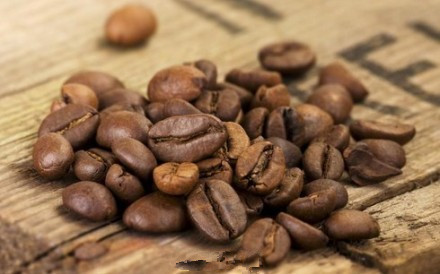
- Brazil: The world’s largest coffee producer. Its most famous variety, Santos, offers a smooth, neutral cup with notes of caramel and nuts. It’s versatile enough for espresso blends or drinking black. Other Brazilian coffees like Rio and Paraná are more rustic but affordable. Image:
- Colombia: The second-largest producer, known for consistent quality. Colombian beans, primarily Typica and Caturra varieties, deliver medium acidity, medium body, and flavors of citrus, caramel, and nuts. Regions like Huila and Medellín are especially prized.
- Mexico: A Central American standout. Top lots from Coatepec, Huatusco, and Orizaba feature a smooth mouthfeel and fragrant aromas. Coatepec is often ranked among the world’s finest.
- Hawaii (Kona): Grown on the slopes of Mauna Loa, Kona coffee is sweet with a distinctive wine-like acidity. It’s produced in small quantities on the southwestern coast of Hawaii’s Big Island.
- Indonesia: Home to earthy, bold profiles. Sumatra’s Mandheling is rich and full-bodied with low acidity, while Java’s Arabica offers a sweet, spicy finish with lingering notes of malt and fruit.
- Costa Rica: High-altitude farms (SHB grade) produce bright, clean cups. The volcanic soil contributes to complex acidity and flavors of citrus, tropical fruit, and honey. Honey processing is common here, enhancing sweetness.
- Ethiopia: The birthplace of Arabica. Ethiopian coffees are wildly diverse, with flavors ranging from blueberry and jasmine (Yirgacheffe) to blueberry, peach, and fermented funk (Sidamo). Processing methods—natural or washed—dramatically influence the cup.
- Guatemala: Known for complex, spicy profiles. High altitudes and volcanic soil produce bright acidity and notes of chocolate, cinnamon, and citrus.
- Panama: Famous for Geisha (Gesha), which delivers intense floral aromas, citrus zest, and jasmine. Geisha from high-altitude farms like Boquete can command premium prices.
- Honduras: Offers a balanced cup with medium acidity and flavors of tropical fruit, nuts, and chocolate. Increasingly recognized for high-quality lots.
- El Salvador: Produces bright, fruity coffees with notes of apple, berries, and caramel. Pacas and Bourbon varieties are common.
- Nicaragua: Known for smooth, medium-bodied cups with flavors of almond, caramel, and citrus. Matagalpa and Jinotega are key regions.
How Terroir Impacts Coffee Flavor
Several factors determine how a coffee’s origin influences its taste:
- Altitude: Higher elevations slow cherry maturation, leading to denser beans with more complex acids and sugars. Think bright, floral Ethiopian lots versus chocolatey, low-acid Brazilian beans.
- Soil: Volcanic soils (common in Colombia, Costa Rica, and Ethiopia) are rich in minerals, contributing to brighter acidity and more nuanced flavors. Brazilian coffee often grows in deeper, iron-rich soils, yielding a heavier body.
- Climate: Consistent rainfall and moderate temperatures promote even ripening. Regions with distinct wet and dry seasons (like Ethiopia) often produce more vibrant, fruity coffees.
- Processing Methods: Washed (wet) processing highlights acidity and clarity (common in Ethiopia and Central America). Natural (dry) processing enhances body and fruity notes (classic in Ethiopia and Brazil). Honey processing (popular in Costa Rica) balances sweetness and acidity.
What Makes a Coffee ‘Specialty’ by Origin?
Specialty coffee is graded on cup quality, not just origin—but origin plays a huge role. To qualify as specialty, coffee must score 80+ points on a 100-point scale, evaluated for flavor, aroma, acidity, body, and aftertaste. Origins like Ethiopia, Colombia, and Panama consistently produce high-scoring lots due to ideal growing conditions and meticulous processing. Even within these regions, specific farms or cooperatives may stand out for their unique profiles.
Frequently Asked Questions
Does coffee really taste different based on where it’s grown?
Yes. Just like wine grapes, coffee flavor is shaped by terroir—altitude, soil, climate, and processing. Ethiopian beans often taste fruity and floral, while Brazilian beans are nutty and chocolatey. Colombian coffee tends to be balanced with bright acidity, and Indonesian beans are known for earthy, full-bodied profiles.
Why is Ethiopian coffee so unique?
Ethiopia is the birthplace of Arabica coffee and has incredibly diverse growing conditions. Depending on the region (Yirgacheffe, Sidamo, Guji, etc.) and processing method (natural or washed), Ethiopian coffee can taste like blueberries, jasmine, citrus, or even fermented fruit. This diversity is unmatched globally.
Is Brazilian coffee always low-quality?
No. While Brazil produces a lot of commercial-grade beans, it also grows high-quality lots. Santos is a well-known Brazilian variety with a smooth, neutral profile, great for blending. Brazilian beans are often used in espresso for their chocolatey, nutty flavors and low acidity.
What makes Colombian coffee special?
Colombia’s consistent climate and high-altitude farms (especially in Huila and Medellín) produce coffee with balanced acidity, medium body, and notes of citrus, caramel, and nuts. It’s reliable year-round and often considered one of the most versatile single-origin coffees.
How does processing affect origin flavors?
Processing methods (washed, natural, honey) dramatically impact flavor. Washed processing (common in Ethiopia and Central America) highlights acidity and clarity. Natural processing (common in Brazil and Ethiopia) boosts fruity, fermented notes. Honey processing (popular in Costa Rica) adds sweetness and body. The same beans from the same region can taste completely different based on processing.
Can I taste the difference between origins at home?
Absolutely. Try side-by-side tastings of Ethiopian (fruity/floral), Brazilian (chocolatey/nutty), Colombian (balanced/citrusy), and Indonesian (earthy/spicy) coffees. Single-origin pour-overs are the best way to experience each region’s unique terroir.
Recommended FrontStreet Beans for Origin Exploration
Explore coffee origins with FrontStreet’s single-origin selections: try the Ethiopia Humbera for bright blueberry and jasmine notes (natural process), the Brazil Queen Manor for creamy chocolate and hazelnut tones (medium roast), or the Colombia Huila for citrusy brightness with caramel undertones. Each reflects its region’s signature profile. Freshly roasted within 5 days · Orders placed before 17:00 ship the same day · Next-day delivery across most of Guangdong Province.
FrontStreet Coffee is a long-established specialty coffee roaster in Guangzhou China, selling freshly roasted beans from its own farm in Yunnan as well as dozens of carefully selected single-origin beans from around the world for both pour-over and espresso. The products deliver consistently excellent quality and great value, with shipping within 24 hours. Guangzhou's FrontStreet Coffee shop is recommended by many coffee lovers, and the beans are now available online at the Tmall 。
Important Notice :
前街咖啡 FrontStreet Coffee has moved to new addredd:
FrontStreet Coffee Address: 315,Donghua East Road,GuangZhou
Tel:020 38364473