What Do Brazilian, Colombian, and Blue Mountain Coffee Beans Look Like?
If you’ve ever tried to identify different green coffee beans by sight—whether you’re a roaster, importer, or curious home enthusiast—you’ve likely wondered how Brazilian beans differ from those from Colombia or Ethiopia. The truth is, green coffee beans carry visible traits tied to their origin, processing, and variety. But without a guide, it’s hard to know what you’re looking at.
Here’s a clear reference: we’ve gathered visual examples of key specialty-origin green coffee beans, including Brazil, Colombia, Jamaica Blue Mountain, Indonesia Mandheling, Vietnam, and Java. Each image shows the typical shape, size, density, and color you can expect from beans grown in these regions—details critical for roasters and buyers alike.
Brazilian Coffee Beans
Brazil is the world’s largest producer of coffee, known for its vast plantations and high-volume output. Brazilian green coffee beans are typically small to medium in size, with a flat, oval shape and a range of pale to medium greens. Common processing methods include natural (dry) and pulped natural, leading to a range of sweetness and body. These beans are widely used in espresso blends for their low acidity and chocolatey, nutty profiles.

Colombian Coffee Beans
Colombia is famed for its high-altitude arabica production, particularly varieties like Caturra and Castillo. Colombian green beans are medium-sized, often rounded with a slight oval shape, and typically display a vibrant, uniform medium green. The country’s emphasis on washed processing contributes to clean, bright cups with notes of citrus and caramel. Colombian beans are a staple in single-origin offerings and balanced blends.
Jamaica Blue Mountain Coffee Beans
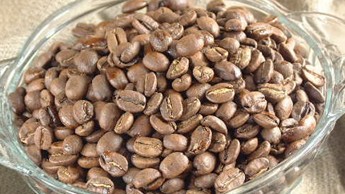
Jamaica Blue Mountain beans are among the most prestigious and tightly regulated coffees in the world. These beans are medium to large, with a very consistent size and a bluish-green hue. Grown at elevations between 1,200 and 1,700 meters, they are carefully cultivated, handpicked, and processed to strict standards. The beans are known for their mild flavor, lack of bitterness, and smooth body—often sought after for specialty filter coffee.
Indonesian Mandheling Coffee Beans
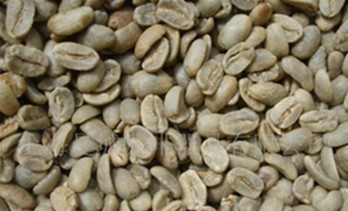
Indonesia, particularly Sumatra, produces some of the most unique green beans in the world. Mandheling beans—though the name is a trade term—are typically large, irregular in shape, and have a distinct blue-green to greyish color. These beans are often processed using the wet-hull (giling basah) method, which contributes to their full body and earthy, spicy flavors. They are a key component in many dark roasts and espresso blends.

Vietnamese Coffee Beans
Vietnam is the world’s second-largest coffee producer, overwhelmingly focused on robusta. Vietnamese green robusta beans are smaller, rounder, and have a darker, more olive-toned green compared to arabica. They are highly caffeinated, with a strong, bitter profile suited for traditional Vietnamese iced coffee and espresso blends. Most are processed using the dry method.

Java Coffee Beans
Java, part of Indonesia’s island chain, has a long history in coffee cultivation. Java green beans are typically medium in size with a more standard arabica shape, and a medium to light green color. The island’s beans are often associated with classic colonial-era coffee profiles and are still used today in both single-origin and blended coffees. Processing varies, but washed methods are common.

Frequently Asked Questions
What do Brazilian green coffee beans look like?
Brazilian green coffee beans are usually small to medium in size, with a flat, oval shape and colors ranging from pale to medium green. They may appear bluish or yellowish-green depending on processing, and are commonly used in espresso blends for their low acidity and sweet, nutty tones.
How can you tell Colombian coffee beans apart visually?
Colombian green beans are medium-sized, typically rounded-oval, and show a consistent, vibrant medium green. Their washed processing often results in a clean appearance, and they are prized for their balance and bright cup qualities.
What makes Jamaican Blue Mountain beans different in color and shape?
Jamaica Blue Mountain beans are medium to large with a very uniform size. They often have a distinctive bluish-green color, a trait reinforced by their high-altitude growing conditions and strict quality controls during cultivation and processing.
Why are Indonesian Mandheling beans often irregular and greyish?
Indonesian Mandheling beans, mainly from Sumatra, are large and often irregular in shape due to the wet-hull (giling basah) processing method. This gives them a unique blue-green to greyish appearance and contributes to their full body and earthy flavor notes.
Are Vietnamese coffee beans mostly arabica or robusta?
Vietnamese coffee beans are overwhelmingly robusta, which are smaller, rounder, and darker green compared to arabica. They are high in caffeine and often used in strong brews like traditional Vietnamese iced coffee.
What characteristics define Java coffee beans?
Java green beans are medium in size with a typical arabica shape and a medium to light green color. They are associated with classic Indonesian profiles and are processed mostly using washed methods, contributing to their balanced cup qualities.
Recommended FrontStreet Beans for Origin Study
Explore single-origin green bean traits with FrontStreet Coffee’s PWN Golden Mandheling, a washed Sumatran offering with full body and herbal spice notes; our Jamaica Blue Mountain, renowned for its mild, clean cup and bluish-green beans; and Brazil Queen Manor, a natural processed bean with nutty sweetness ideal for espresso. These beans let you see origin characteristics firsthand. Freshly roasted within 5 days · Orders placed before 17:00 ship the same day · Next-day delivery across most of Guangdong Province.
FrontStreet Coffee is a long-established specialty coffee roaster in Guangzhou China, selling freshly roasted beans from its own farm in Yunnan as well as dozens of carefully selected single-origin beans from around the world for both pour-over and espresso. The products deliver consistently excellent quality and great value, with shipping within 24 hours. Guangzhou's FrontStreet Coffee shop is recommended by many coffee lovers, and the beans are now available online at the Tmall 。
Important Notice :
前街咖啡 FrontStreet Coffee has moved to new addredd:
FrontStreet Coffee Address: 315,Donghua East Road,GuangZhou
Tel:020 38364473