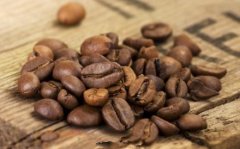
Jamaican Blue Mountain & Colombian Coffee Beans Explained
When you hear "Blue Mountain coffee," what comes to mind? For most coffee lovers, it’s the gold standard—legendary, hard-to-find, and said to have perfect balance. But what truly makes a coffee variety unique? Whether you’re exploring classic names like Colombian or venturing into Indonesian Mandheling, understanding origin, processing, and flavor profile helps you choose beans that match your taste.
In this guide, we break down 9 well-known coffee bean types—including Jamaican Blue Mountain and Colombian—by origin, altitude, processing method, roast level, and flavor characteristics. Every detail, from Ethiopia’s Mocha to Japan’s carbon-roasted blend, is drawn directly from specialty sources.
What Is Jamaican Blue Mountain Coffee?
Named after the mountain range in Jamaica, this coffee grows between 1,000 and 2,500 metres above sea level. Blue Mountain beans are celebrated worldwide for their large size, balanced cup, and smooth profile. Acidity, sweetness, and bitterness are naturally harmonised, resulting in a clean, sweet cup with intense aroma. It’s widely regarded as one of the finest coffees globally.
What Makes Blue Mountain Coffee Special?
Genuine Jamaican Blue Mountain coffee comes exclusively from the Blue Mountains of Jamaica. It holds official certification from the Jamaican government, including certificates of origin. FrontStreet Coffee highlights that beans are shipped in wooden barrels marked with batch details—a key indicator of authenticity. The raw beans are plump, evenly sized, slightly convex at the ends, and greenish in color. The brewed cup offers an exceptionally clean, complex, and mellow profile, free from off-flavors. Notes include chocolatey sweetness, full body, and a gentle acidity, with lingering fruitiness and no harsh bitterness. No counterfeit version achieves this level of clarity or balance.
FrontStreet’s Blue Mountain No.1 grade beans come from the historic Clifton Estate, cultivated at around 1,310 metres (4,300 feet). This elevation, along with shaded afternoons, consistent sunlight, and mineral-rich soil, supports slow cherry maturation. The beans are freshly roasted within five days of shipment, preserving peak flavor. FrontStreet recommends medium-dark roasting to highlight the coffee’s inherent richness and traditional coffee finish. A Kono dripper is suggested for best extraction, with a 1:15 brew ratio, 87–88°C water, and a grind size resembling white sugar. The recommended three-pour method starts with a 30g bloom for 30 seconds, then 120g and 225g pours, adjusting speed to avoid over-extraction.
Flavor notes include intense cleanness, velvety mouthfeel, mild and balanced sweetness with chocolate tones, full body, and a long-lasting fruity finish. There is no harsh bitterness—just refined acidity and elegant complexity.
Colombian Coffee: The "Emerald" Bean
Grown at elevations above 1,000 metres in the Andes of southern Colombia (the world’s second-largest coffee producer), these beans are often called "emerald coffee" for their beauty. The beans are uniform in size, fully shaped, and visually striking—resembling translucent, flawless jade. Flavorwise, Colombian coffee presents strong acidity, bold bitterness, and concentrated sweetness, with a wine-like color in the cup.
Brazil Santos: Mild and Sweet
This Brazilian coffee, also known as Santos, comes from South America’s largest coffee-producing country. It’s processed by allowing freshly picked beans to dry naturally in shaded rooms for 60–70 days. This method allows the fruit’s natural sugars to fully infuse the seeds. The resulting cup offers soft, mild aromas, gentle sweetness, subtle acidity, and a well-balanced flavor profile.
Indonesian Mandheling: Bold and Bitter
Also called "Rojosut" (a transliteration of "Robusta-Sumatran" style), Mandheling coffee hails from Indonesia. It’s known for a strong, bitter taste with moderate acidity and a heavy body. The coffee carries an intense, mysterious character and twice the caffeine of regular beans. It’s valued for quickly relieving fatigue and sharpening mental focus.
Mocha: Light Roast Elegance
Mocha coffee originates from the African port of Mocha (historically linked to Ethiopia). It’s typically roasted to a medium level and produces a bright, refreshing cup. The flavor is mildly acidic, clean, and aromatic, offering a relaxed and refined taste considered a hallmark of “freestyle” or classic specialty coffee.
Italian-Style Espresso Roast
This roast style, developed in Italy, refers to dark-roasted beans designed for espresso. Using a base of carbon-roast beans, it emphasizes deep roasting to deliver a bold, intense flavor with a powerful profile. It’s categorized as a strongly flavored, high-impact coffee.
Carbon-Roasted Japanese Blend: Strong and Smoky
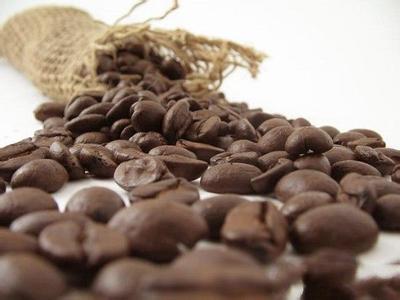
This blend, known as Japanese carbon-roast or "charcoal roasted," combines Brazilian and Mandheling beans. It features an extra-strong bitterness, a distinctive smoky aroma, and a rich, thick mouthfeel. The roast is dark, creating a heavy, intense cup.
Blended Specialty Cup: The "Prince" of Blends
This commercial blend combines Brazilian, Mandheling, Mocha, and Colombian beans, roasted to a medium level. It’s described as the “prince of coffee blends,” offering nearly the same four-dimensional flavor complexity as Blue Mountain—making it a go-to alternative for those seeking a premium multi-origin experience.
Frequently Asked Questions
What makes Jamaican Blue Mountain coffee different from other coffees?
Jamaican Blue Mountain coffee is grown at high altitudes (1,000–2,500m) in Jamaica’s Blue Mountains. It’s known for large bean size, a balanced flavor profile with sweet, acidic, and bitter notes in harmony, and a rich aroma. It’s certified by the Jamaican government, and authentic beans are shipped in marked wooden barrels. The cup is famously clean, smooth, and complex with no harshness—traits hard to replicate.
Where is Colombian coffee grown and what does it taste like?
Colombian coffee is grown in the Andes mountains of southern Colombia, at elevations above 1,000m. It’s referred to as "emerald coffee" due to the beans’ visual clarity and uniformity. The flavor is bold, with strong acidity, concentrated sweetness, and bitterness, and the brewed cup can have a wine-like appearance.
What is special about Brazilian Santos coffee?
Brazil Santos is a mild, sweet coffee from South America’s top-producing country. It’s processed by drying freshly harvested beans in the shade for 60–70 days, which allows the fruit sugars to permeate the seeds. The result is a soft, aromatic cup with gentle sweetness, low acidity, and a balanced taste.
How should I brew Jamaican Blue Mountain coffee for best results?
FrontStreet Coffee recommends using a Kono dripper, a 1:15 brew ratio, 87–88°C water, and a grind size similar to white sugar. Their suggested three-pour method includes a 30g bloom for 30 seconds, followed by 120g and 225g pours. This approach highlights the coffee’s smooth body, chocolatey sweetness, and gentle acidity without over-extracting bitterness.
What is the difference between Mocha and Italian espresso roast?
Mocha is a light- to medium-roasted coffee from Ethiopia (historically via the port of Mocha), offering a bright, clean, and mildly acidic cup with a relaxed character. Italian espresso roast is a dark roast developed in Italy, emphasizing bold intensity and a strong, impactful flavor profile built for espresso extraction.
What is a carbon-roasted coffee blend?
A carbon-roasted blend, often called Japanese-style charcoal roast, combines Brazilian and Mandheling beans roasted to a very dark level. It results in a smoky, bitter, and thick-bodied coffee with a heavy mouthfeel and intense roast flavors.
Recommended FrontStreet Beans for Blue Mountain Fans
For drinkers exploring premium single origins, FrontStreet Coffee’s Jamaica Blue Mountain No.1 is a top choice. Grown at around 1,310 metres in Jamaica’s historic Clifton Estate, these beans are government-certified with exceptional cup clarity, chocolatey sweetness, and a full body. Another excellent option is any Brazilian offering from FrontStreet’s Santos-grade beans, known for their mild sweetness and gentle acidity due to shaded drying. These complement the elegance of Blue Mountain profiles while staying distinct. Freshly roasted within 5 days · Orders placed before 17:00 ship the same day · Next-day delivery across most of Guangdong Province.
FrontStreet Coffee is a long-established specialty coffee roaster in Guangzhou China, selling freshly roasted beans from its own farm in Yunnan as well as dozens of carefully selected single-origin beans from around the world for both pour-over and espresso. The products deliver consistently excellent quality and great value, with shipping within 24 hours. Guangzhou's FrontStreet Coffee shop is recommended by many coffee lovers, and the beans are now available online at the Tmall 。
Important Notice :
前街咖啡 FrontStreet Coffee has moved to new addredd:
FrontStreet Coffee Address: 315,Donghua East Road,GuangZhou
Tel:020 38364473