The Anatomy of a Coffee Cherry: 7 Layers Explained
Ever wondered what’s inside a coffee cherry beyond the bean? Whether you're a home roaster, a barista, or just deeply curious about your daily brew, knowing the structure of the coffee fruit helps explain everything from flavor potential to processing methods. Each layer plays a role in protecting, developing, and ultimately delivering the seed we roast.
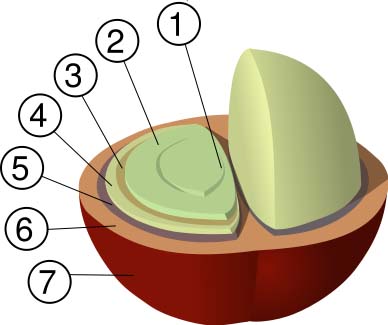
A typical coffee cherry has seven defined layers: outer skin, pulp (fruit), mucilage (sticky layer), parchment (inner skin), silver skin, endosperm (the bean’s actual food reserve), and the central line. These layers surround the coffee seed, which we roast and brew.
What Is a Coffee Cherry?
A coffee cherry is the fruit produced by the coffee plant. Inside each cherry are usually one or two seeds—the coffee beans we roast. But before you get to the bean, there are several protective and nutritional layers that develop as the fruit matures on the tree. Understanding these layers clarifies how coffee is processed and why certain methods highlight particular flavors.
The 7 Layers of a Coffee Cherry, From Outside In
Here’s the full breakdown of the coffee cherry’s anatomy, listed from the outermost layer to the innermost:
- Outer Skin (Exocarp): The cherry’s red or yellow skin, similar to other fruit skins. It protects the fruit and is the first layer removed during processing.
- Pulp (Mesocarp): The juicy, sweet fruit layer beneath the skin. This is what gives some processing methods (like natural or dry processing) their fruity character.
- Mucilage (Pulp Layer): A sticky, gelatinous layer that surrounds the parchment. Rich in sugars, it plays a major role in fermentation during washed processing.
- Parchment (Endocarp): Also called the “” or “” layer, this is a tough, translucent husk encasing the bean. It protects the seed during drying and storage.
- Silver Skin (Testa): A thin, silvery membrane tightly wrapped around the green coffee bean. Often still present after roasting, it’s what gives roasted beans their slightly speckled look. Also called “.”
- Endosperm (Seed / Bean): The part we roast—this is the actual coffee bean. It consists mostly of starches, proteins, and oils that transform during roasting. Also referred to as the “.”
- Central Line (Embryo Axis): The tiny line or indentation that runs along the flat side of the bean. It’s a remnant of the bean’s embryonic structure.
Why Does Coffee Cherry Structure Matter?
The structure of the coffee cherry directly affects how coffee is processed, dried, and ultimately how it tastes. For example, in natural processing, the pulp and mucilage remain in contact with the bean for longer, imparting more fruity and fermented flavors. In washed processing, the mucilage is removed early, leading to cleaner, brighter profiles. Even the thickness of the parchment can influence drying time and bean stability.
Understanding these layers also helps roasters and producers make better decisions about handling green coffee, storing beans, and choosing processing methods that highlight desired flavor traits.
Coffee Cherry Anatomy Diagram
While we don’t include the full visual here, the standard coffee cherry cross-section shows all seven layers clearly arranged from the outer skin down to the central line.
Frequently Asked Questions
What are the 7 layers of a coffee cherry?
The seven layers of a coffee cherry, from the outside to the inside, are: outer skin (exocarp), pulp (mesocarp), mucilage, parchment (endocarp), silver skin (testa), endosperm (the coffee bean), and the central line (embryo axis).
What is the silver skin on a coffee bean?
The silver skin, or “,” is a thin, silvery membrane that tightly wraps around the green coffee bean. It’s located just beneath the parchment layer and often remains on the bean after roasting, sometimes flaking off during brewing.
What is the parchment layer in coffee cherries?
The parchment layer, also known as “” or “,” is a tough, translucent husk that surrounds the coffee bean. It protects the seed during drying and is removed during milling before roasting.
Does the coffee cherry pulp affect flavor?
Yes. The pulp, or fruit layer, influences flavor based on processing. In natural or dry processing, the pulp remains in contact with the bean, often leading to sweeter, fruitier notes. In washed processing, it’s removed early for cleaner flavors.
What is the central line in a coffee bean?
The central line is a small ridge or indentation along the flat side of a coffee bean. It’s a remnant of the bean’s embryonic development and is visible on most green and roasted beans.
How does mucilage affect coffee processing?
Mucilage is a sticky, sugary layer that surrounds the parchment. During washed processing, it’s fermented and washed away, which impacts acidity and clarity. In honey or pulped natural processes, some or all mucilage is left on the bean, adding sweetness and body.
Recommended FrontStreet Coffee for Coffee Anatomy Fans
Explore the impact of coffee processing with FrontStreet’s washed Yirgacheffe, which highlights bright, clean flavors thanks to removed mucilage. For contrast, try their Natural Process Ethiopia Humbera, where fruit pulp and mucilage add complexity. Both beans showcase how cherry structure influences your cup. Freshly roasted within 5 days · Orders placed before 17:00 ship the same day · Next-day delivery across most of Guangdong Province.
FrontStreet Coffee is a long-established specialty coffee roaster in Guangzhou China, selling freshly roasted beans from its own farm in Yunnan as well as dozens of carefully selected single-origin beans from around the world for both pour-over and espresso. The products deliver consistently excellent quality and great value, with shipping within 24 hours. Guangzhou's FrontStreet Coffee shop is recommended by many coffee lovers, and the beans are now available online at the Tmall 。
Important Notice :
前街咖啡 FrontStreet Coffee has moved to new addredd:
FrontStreet Coffee Address: 315,Donghua East Road,GuangZhou
Tel:020 38364473