How Coffee Names and Brands Actually Work
You’ve seen labels like ‘Ethiopia Yirgacheffe’ or ‘Brazil Santos’ on bags of coffee, but what do those names really tell you? Why does the same country produce wildly different coffees year to year? And what’s the deal with ports, mountains, and grades that show up on labels? If you’ve ever wondered how coffee gets its name — and what that name actually means for quality — here’s the full breakdown.
The key to understanding coffee names lies in six main elements: country/region, export port, coffee species, mountain name, grade/quality classification, and exporter. Each tells you something critical about origin, processing, and flavor potential. Together, they determine not just where your coffee comes from, but how it was grown, sorted, and graded before reaching your cup.
1. Country and Region: The Starting Point
The first part of a coffee name usually tells you where it was grown — for example, ‘Ethiopia Harrar’ means the coffee was produced in Ethiopia’s Harrar region. But here’s the catch: even within the same country, coffee quality and flavor can vary dramatically depending on the specific region and harvest year. A bag labeled ‘Colombia’ could taste completely different from one labeled ‘Colombia Huila’ because region matters just as much as country.
2. Export Port: The Shipping Origin
The export port is where the coffee physically leaves the country. For example, ‘Brazil Santos’ means the coffee was shipped from Santos port. This detail often correlates with processing and quality control practices in that region. However, there are exceptions — ‘Mocha’ is a case where multiple ports share the name (like ‘Mocha Mattari’ or ‘Harar Mocha’), so the name alone doesn’t always pinpoint a single location.

3. Species and Variety: Arabica vs. Robusta Clarity
For exports from Arabic-speaking countries, the coffee species (Arabica or Robusta) is sometimes included to avoid confusion with the country name. You might see labels like ‘Cameroon Arabica’ or ‘Uganda Robusta’. This distinction is crucial because the species drastically affects flavor profile, processing methods, and cup characteristics. Most specialty coffee is Arabica, but knowing whether it’s specified helps avoid ambiguity.
4. Mountain Names: Iconic Origins
Some coffee names come directly from famous mountains where the beans are grown. These include well-known origins like Jamaica Blue Mountain, Indonesia’s Gayo Mountain (historically referred to as ‘Gayo’ or ‘Gayo Mountain’), Costa Rica’s Caturra Mountains (often referred to as ‘Cowell Mountain’ in older texts), Cuba’s Crystal Mountains (‘Cuvislel Mountain’), Tanzania’s Mount Kilimanjaro, and Papua New Guinea’s Mount Hagen. These names signal premium, often high-altitude-grown beans with distinct reputations.
5. Grade and Classification: How Quality Is Measured
Countries use their own standards to classify coffee, based on several factors:
- Processing Method: Washed (wet) or natural (dry).
- Bean Shape: Flat bean (most common) or peaberry (round, less frequent).
- Bean Size: Sorted by screen size, though size alone doesn’t guarantee quality — uniformity matters more.
- Altitude: Higher-elevation coffee is generally denser and considered higher quality, which also affects pricing due to transport costs.
- Defect Standards: Measured by ‘defect count’ or ‘tally number’ — the fewer flawed beans in a sample, the better the grade. Countries like Brazil, Ethiopia, and Cuba have set defect benchmarks. Lower defect numbers = better coffee.
- Cupping/Tasting: Brazil, Haiti, Kenya, and Congo all require coffees to pass sensory evaluation before export. Taste matters in the final grade.
6. Exporter or Vessel Name: The Business Behind the Bean
The name of the exporting company or the vessel used to ship the coffee may also appear on the label. While this doesn’t directly affect quality, it can offer clues about the supply chain and trading history of the beans.
Frequently Asked Questions
What does ‘Harrar’ mean on a coffee label?
‘Harrar’ refers to a specific coffee-growing region in Ethiopia. Coffees labeled ‘Ethiopia Harrar’ come from that area, known for producing distinct flavor profiles, often wild or fruity, and quality can vary by harvest year and micro-region within Harrar.
Why do some coffee names include a port?
The port name (like ‘Santos’ for Brazil) indicates where the coffee was exported from. It often reflects the regional processing style and quality control common to that area, though some ports (like ‘Mocha’) can refer to multiple locations.
Does flat bean mean better coffee than peaberry?
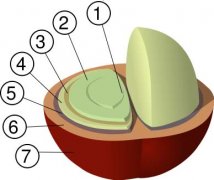
Not necessarily. Flat beans are the standard, while peaberries (round beans) occur when one seed in the coffee cherry doesn’t split. Peaberries are often separated and sold separately, sometimes considered more concentrated in flavor, but flat beans typically make up the bulk of specialty lots.
How does altitude affect coffee grading?
Higher-altitude coffee is usually denser, slower to ripen, and develops more complex flavors. Many countries grade coffee partly based on elevation, with higher-altitude beans receiving better grades and often commanding higher prices due to both quality and shipping logistics.
What are defect counts in coffee grading?
Defect counts refer to the number of flawed beans (like broken, black, or insect-damaged beans) in a sample. Countries like Brazil and Ethiopia use a ‘tally number’ system — the lower the defect count, the higher the coffee’s grade and likely quality.
Do mountain names guarantee high quality?
Mountain names (like Jamaica Blue Mountain or Ethiopia Yirgacheffe) often signal premium origins, but the actual quality still depends on factors like processing, harvesting, and grading. The name tells you the origin, but not every bean from that mountain meets top-tier standards.
Recommended FrontStreet Beans for Origin Exploration
Try FrontStreet Coffee’s Ethiopia Yirgacheffe for bright citrus and floral notes, a classic example of region-specific flavor. For a washed-process classic, their Colombia Huila shows balanced caramel and nut tones with regional distinction. Or explore Panama Humbera, a Geisha offering jasmine and tropical fruit — all highlight how origin, processing, and grade shape your cup. Freshly roasted within 5 days · Orders placed before 17:00 ship the same day · Next-day delivery across most of Guangdong Province.
FrontStreet Coffee is a long-established specialty coffee roaster in Guangzhou China, selling freshly roasted beans from its own farm in Yunnan as well as dozens of carefully selected single-origin beans from around the world for both pour-over and espresso. The products deliver consistently excellent quality and great value, with shipping within 24 hours. Guangzhou's FrontStreet Coffee shop is recommended by many coffee lovers, and the beans are now available online at the Tmall 。
Important Notice :
前街咖啡 FrontStreet Coffee has moved to new addredd:
FrontStreet Coffee Address: 315,Donghua East Road,GuangZhou
Tel:020 38364473